Lalrinhlupuia
Diploma in Interior Design, Bengaluru
Urban Oasis: The Courtyard- JD Design Awards 2024
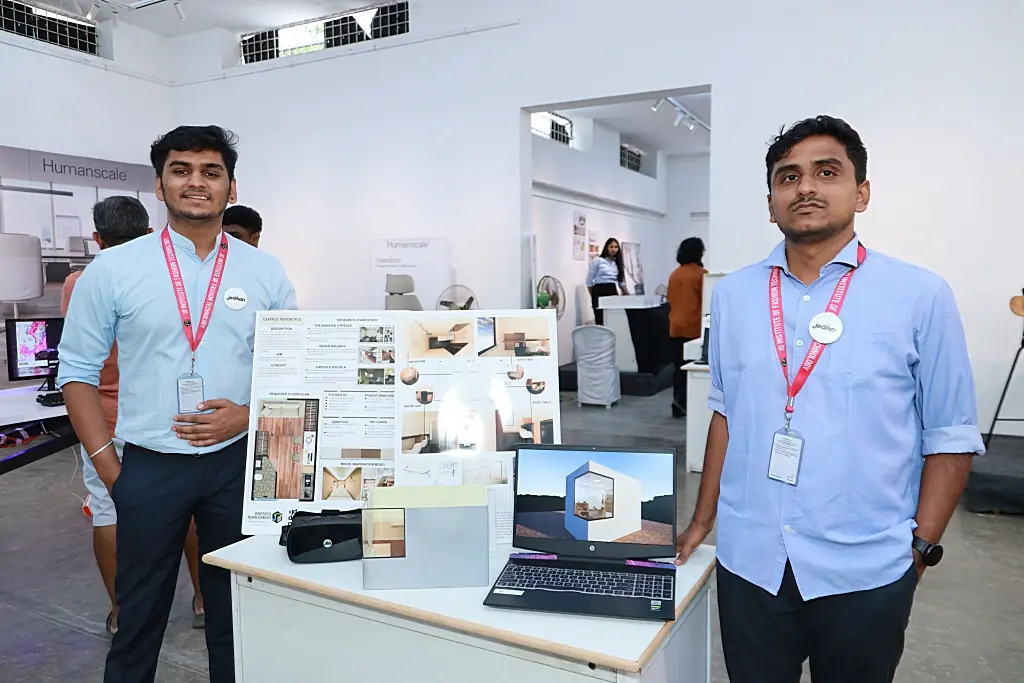
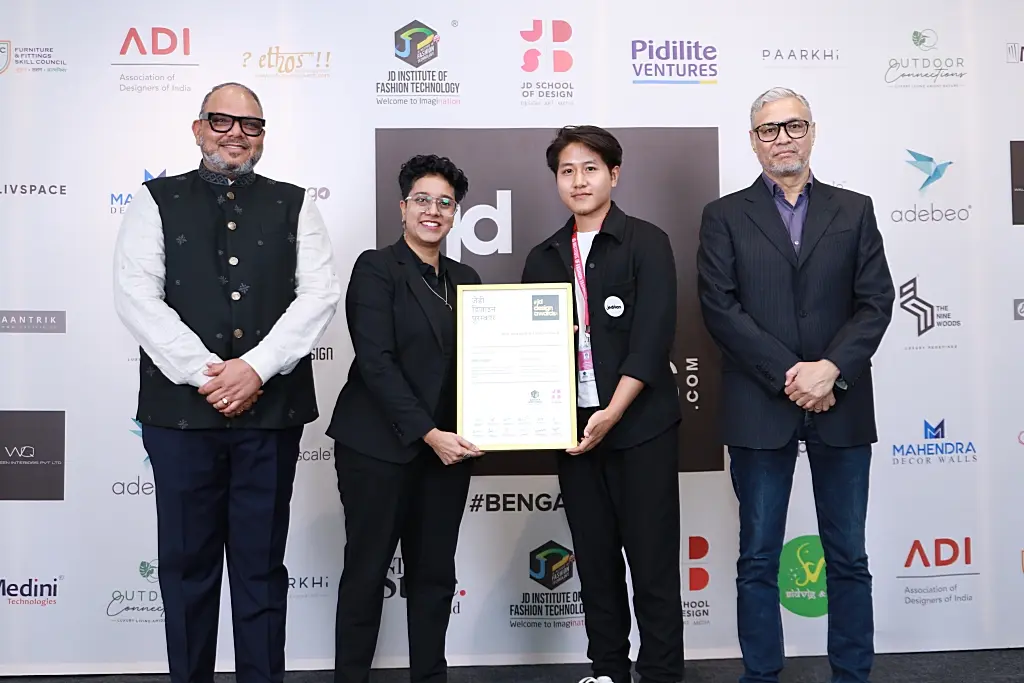
This project, “Urban Oasis: The Courtyard,” by a Diploma in Interior Design by Lalrinhlupuia a student at JD Institute of Fashion Technology, Bangalore, has been awarded Best Sustainable Design at the JD Design Awards 2024.
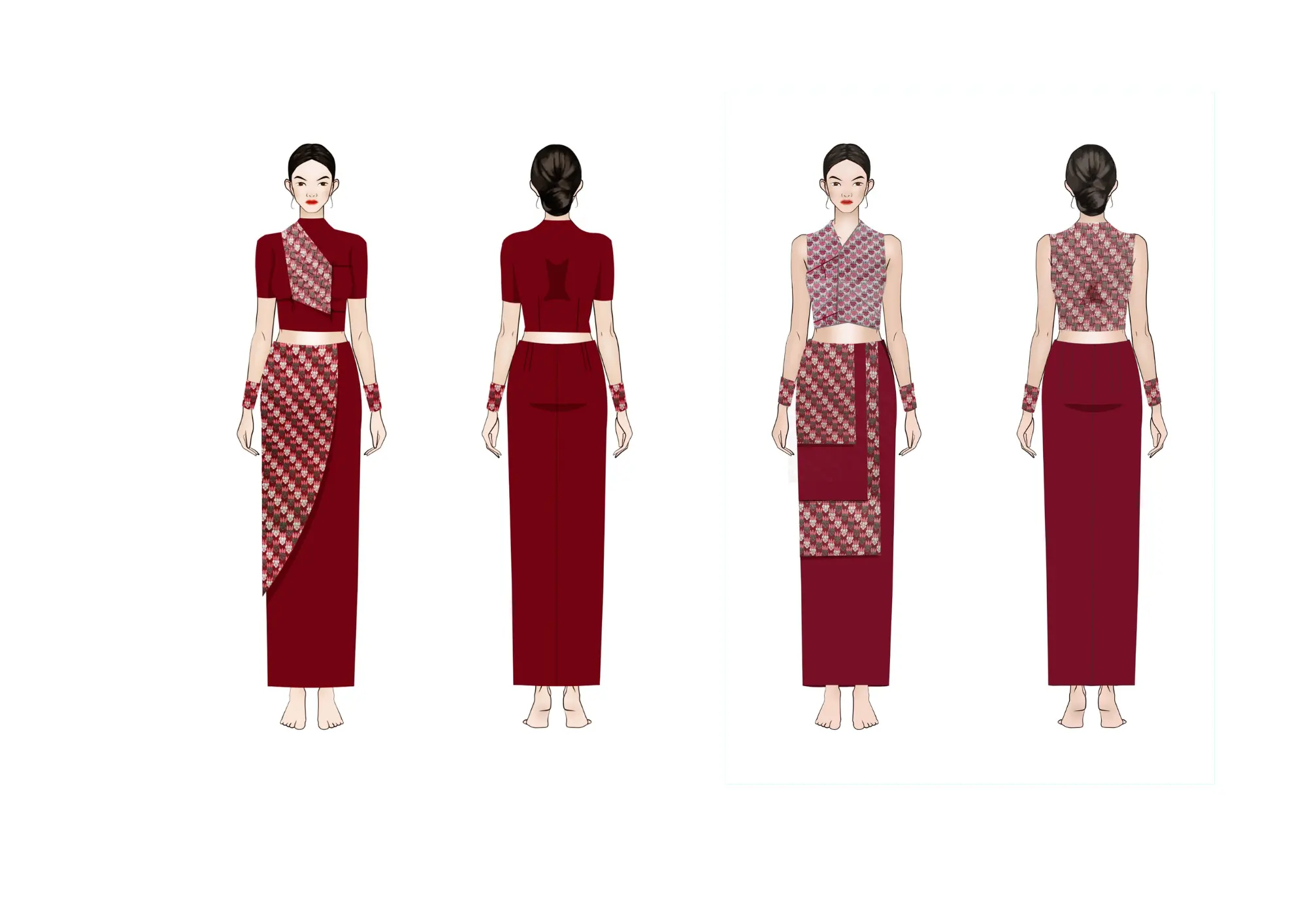
these are fictional insects which are chosen to present ingarment insects are Electric firefly,Butterfly,Bio inspired bees, caterpillar, spider, mantis, beetle, fly,scorpion. Design the wire sculptures to be worn over solidcoloured and structured garments, enhancing the overalllook. Material Selection: suitable materialsfor the wire sculptures is aluminium wire where the thicknessof the wire will be around 12 to 14 gauge.and for the garment will be used lachka fabric will be use forthe crisp and steady effect.

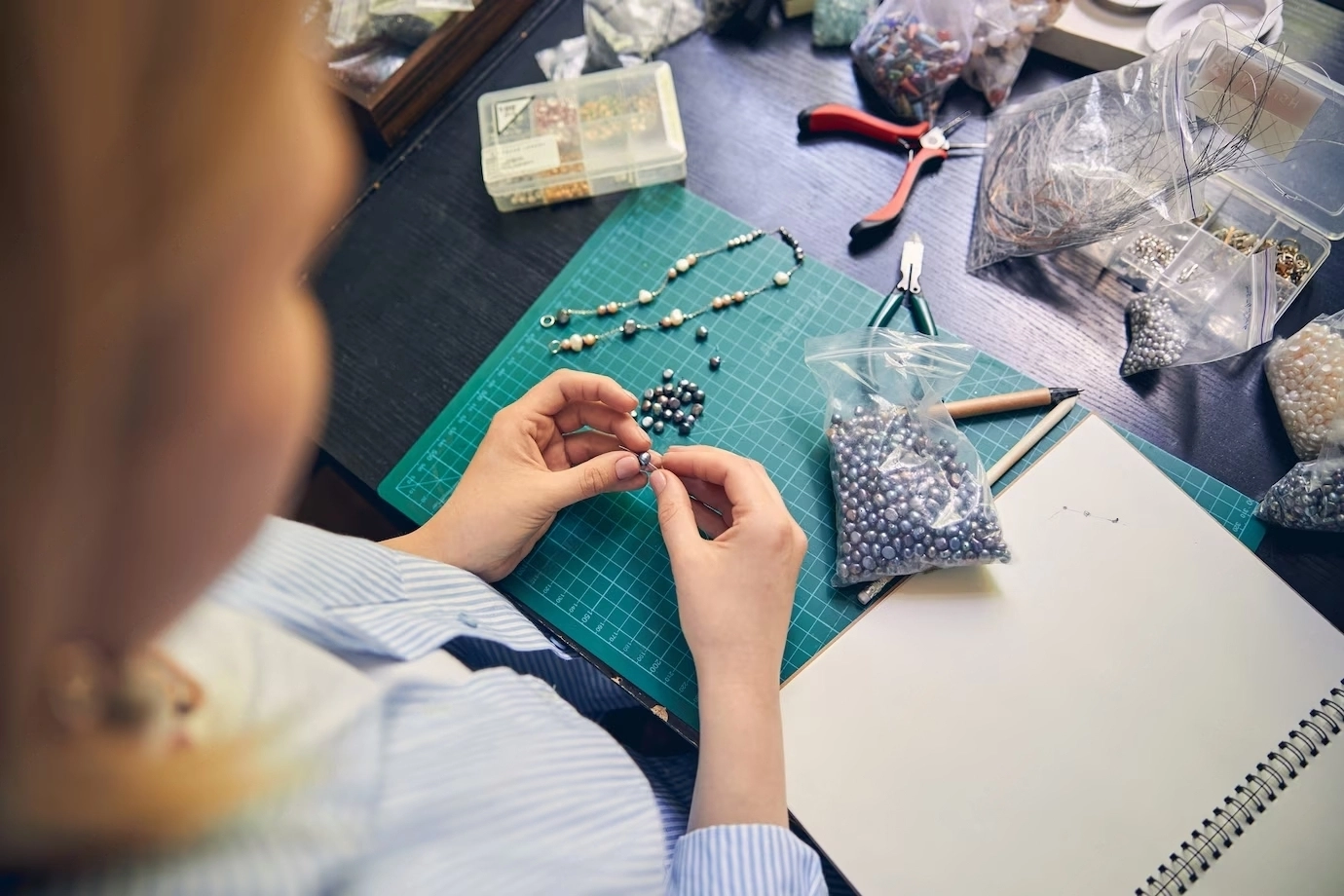
STYLE MOODBOARD
ILLUSTRATIONS
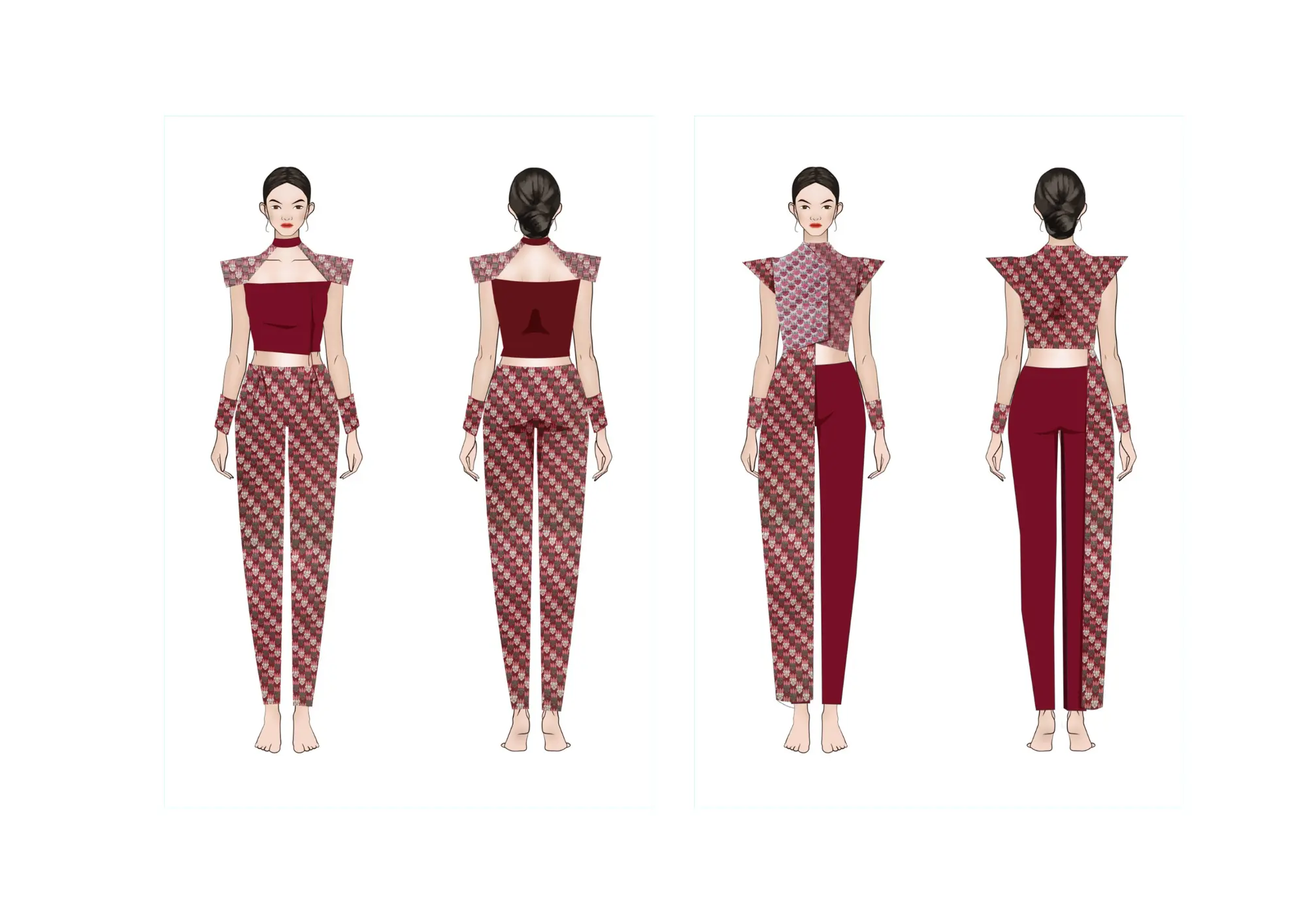
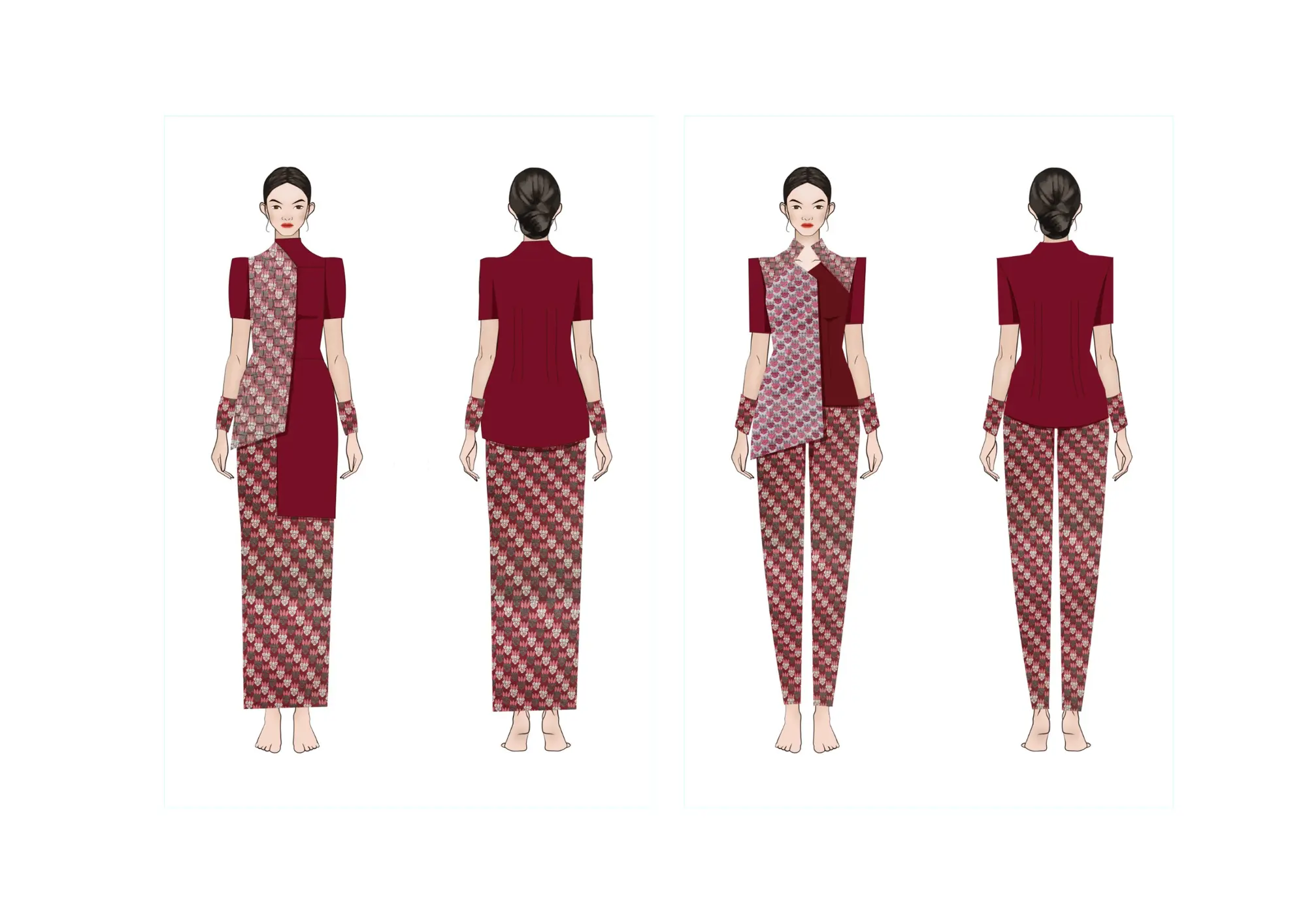
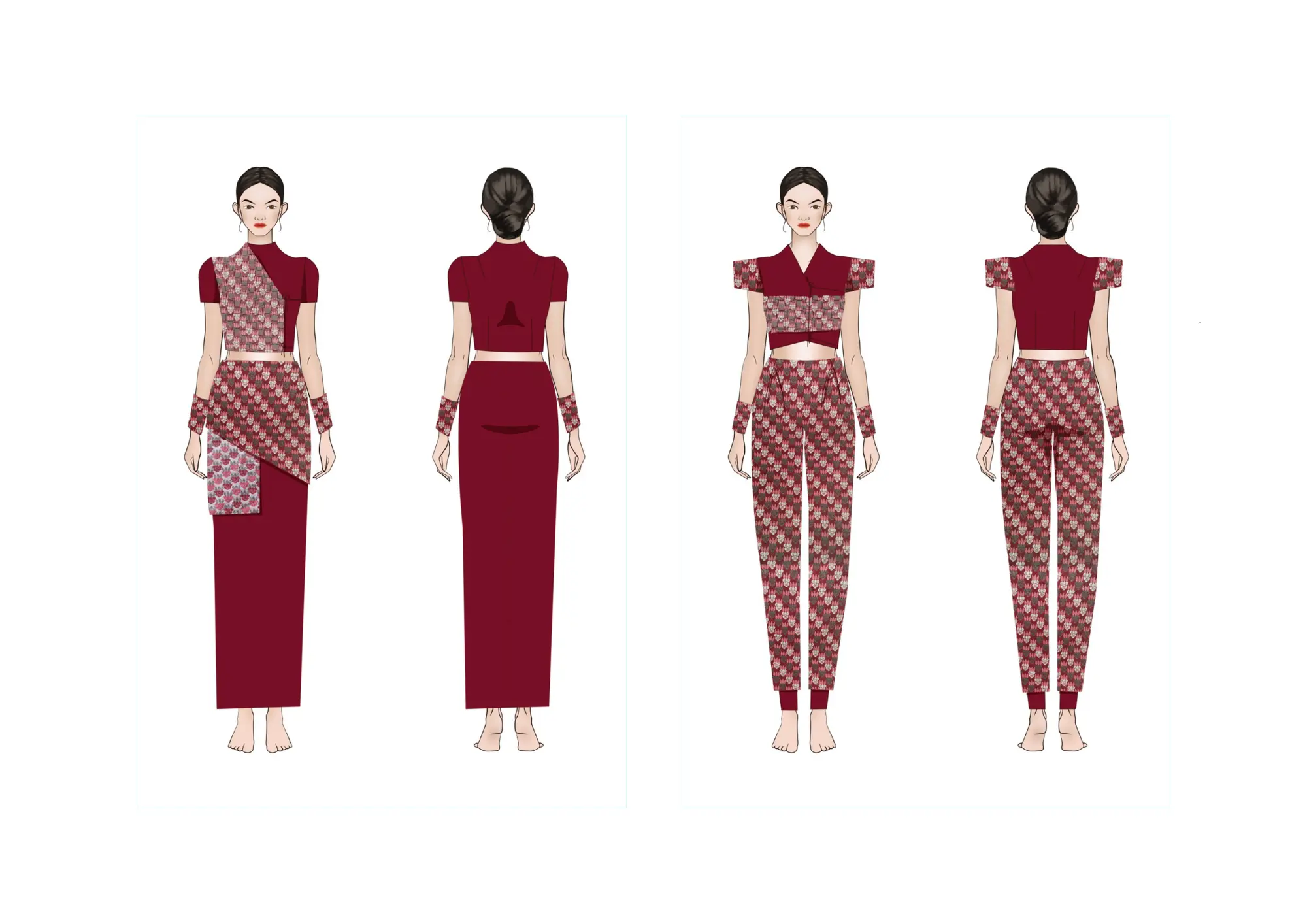
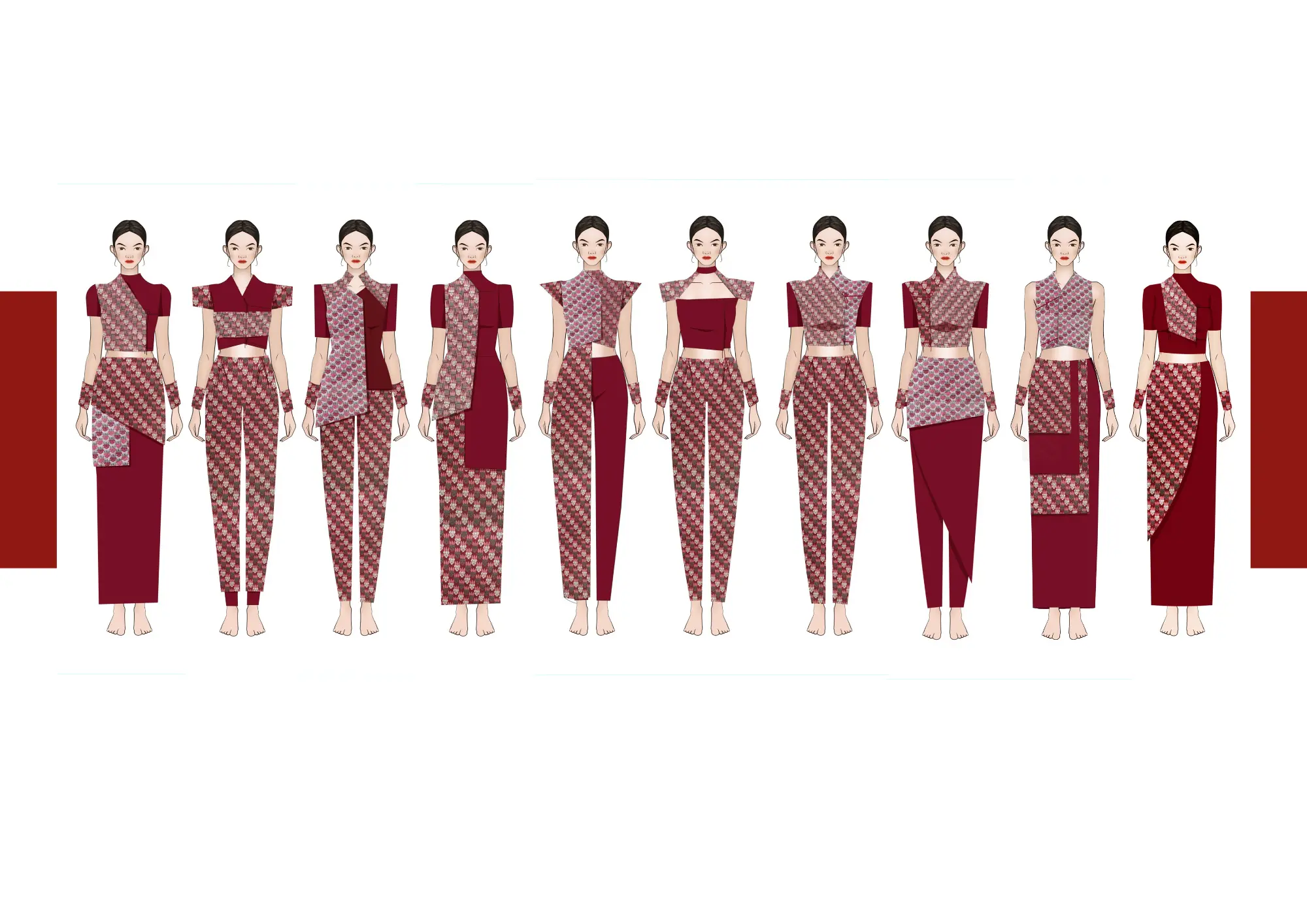
JDDA 2024
“Urban Oasis: The Courtyard” is one such ambitious project that will redefine the very notion of sustainability in architecture and city architecture. Watching CoolAnt.co’s new-generation natural cooling systems using terracotta tiles and water, Lalrinhlupuia pushed further into arguably one of the most transformational projects of his own: to turn existing urban structures into air-cooled havens for sustainability.
This project involves the renovation of a ‘Pecos Pub’ on Brigade Road, Bangalore, into a student-centric workspace merged with biophilic design and advanced cooling technologies. The architectural vision includes three floors adapted according to different needs: one on the ground floor, which brings nature and the built environment together through biophilic design, and the first and second floors, which front sleek modern workspaces.
The core driving force of this project was to adaptively reuse the older structures without resorting to demolition. Integrating the principles of sustainable cooling mechanisms and biophilic design, this study hopes to provide a comfortable and eco-conscious environment for students and the community.
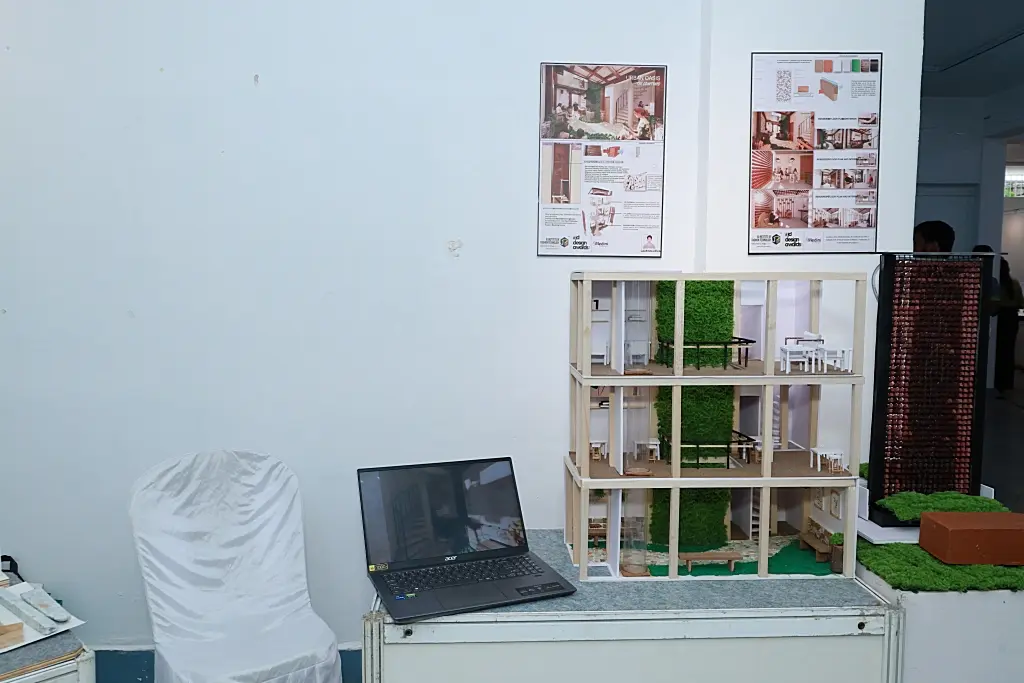
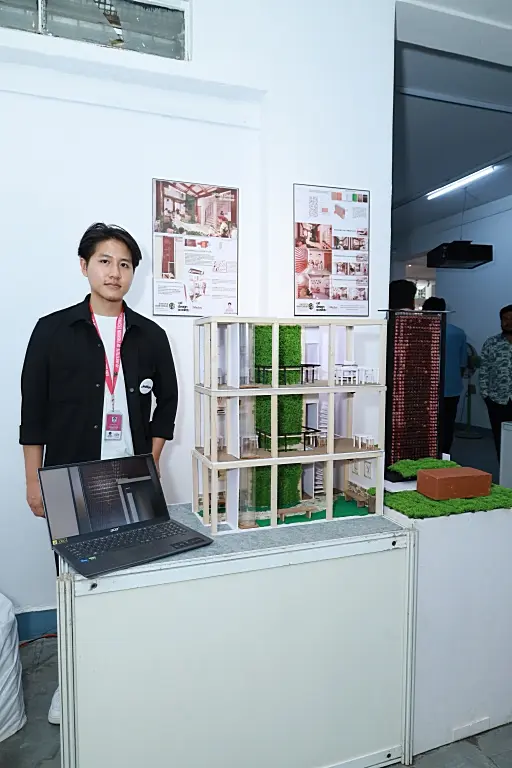
It fits perfectly within the “future fiction” theme because it places sustainability at the core of the development process for a city. Sustainable materials, such as bricks, cement, wood, metal, and terracotta, shall be used in the building process. This brings out clear evidence of environmental stewardship by the project. These materials come not only with aesthetic value but also functional advantages like natural cooling and durability improvement.
An example of innovative solutions to the challenges of urban heat is the integration of natural air cooling systems into the walls. Such systems handle the temperature, cut down on the carbon footprint, and highlight a comfortable living environment. Biophilic-driven interior design flows smoothly into its surroundings, creating an elegant, refined space that caters to privacy and sophistication.
This set of practices brings the project beyond conventional urban architecture and achieves a relationship of symbiosis between built environments and nature. So, material deliberateness and sustainability-oriented goals drive “Urban Oasis: The Courtyard” to be at the forefront of innovation, reflecting the spirit intrinsic in the “Future Fiction” theme.
This project of Lalrinhlupuia aspires to prove that design could be the real game-changer for making any urban setting a truly eco-friendly and adaptive space. It is a beacon of inspiration on architecture being balanced with nature to guide toward a brighter and sustainable future.
Lalrinhlupuia
Diploma in Interior Design, Bengaluru
www.jddesignawards.com