
Can I Take A Fashion Design Course After The 10th Or 12th Grade?
29/07/2026 2026-08-14 11:43Can I Take A Fashion Design Course After The 10th Or 12th Grade?

Can I Take A Fashion Design Course After The 10th Or 12th Grade?
If you have ever found yourself sketching outfits in the margins of your notebook, experimenting with different colours, helping friends decide what to wear, or wondering how your favourite clothes are designed, fashion designing could be more than just an interest. It could become a career. But one question often comes up when students start exploring this field: can I take a fashion design course after the 10th or 12th grade?
The answer is yes, but the course you choose depends on where you are in your education. Students who have completed Class 10 can explore foundation-level, certificate, diploma, and other fashion-related programmes, depending on the institute and course eligibility. Students who have completed Class 12 generally have access to a wider range of undergraduate fashion design programmes, including degree-level courses.
This is also why it is useful to start researching fashion courses before making your next academic decision. You do not necessarily have to wait until graduation to discover whether fashion is right for you. Starting early can help you understand the industry, develop creative skills and make a more informed decision about your future.
For students searching for Fashion Designing Colleges in Bangalore, JD Institute of Fashion Technology is a strong option to consider. With its focus on design education, practical learning, industry exposure and creative development, JD Institute gives students an environment where they can learn fashion beyond textbooks.
So, if you are asking, can I take a fashion design course after the 10th or 12th grade, the important thing is not simply choosing a course as quickly as possible. You need to understand your eligibility, interests, course structure, career goals and the kind of learning environment you want. The right starting point can help turn an interest in fashion into a practical career path.

Can I Take a Fashion Design Course After Class 10?
Yes, students can begin exploring fashion education after Class 10. However, the exact options available will depend on the institute, programme and eligibility requirements.
For students who are not yet ready to commit to a full undergraduate programme, a shorter or foundational course can be a useful way to understand the field.
Here are some things to consider:
- Explore foundation-level learning: A foundation programme can introduce you to basic concepts such as fashion illustration, colour, textiles, styling and design thinking. This can help you understand whether fashion is genuinely something you want to pursue.
- Consider diploma or certificate programmes: Depending on the institute, students who have completed Class 10 may find diploma or certificate-level fashion programmes. These can offer practical exposure without requiring students to immediately enter a full degree programme.
- Build your creative skills early: Fashion is not only about knowing current trends. Drawing, observation, colour understanding, creativity and attention to detail are useful skills. Starting early gives you more time to develop them.
- Understand your future academic options: A course after Class 10 can be a starting point rather than the end of your education. Students should also consider what they want to study after Class 12 and whether they eventually want to pursue an undergraduate fashion programme.
- Research institutes carefully: Before enrolling, check the eligibility requirements, course duration, syllabus, practical training, faculty, facilities and career support. This is especially important if you are comparing Fashion Designing Courses in Bangalore.
What About Taking Fashion Design After Class 12?
Class 12 is another important entry point into fashion education. Once you complete your 12th grade, you can generally explore undergraduate fashion design programmes, subject to the eligibility criteria of the institute you choose.
If you already know that fashion is the career direction you want, this can be a good time to choose a structured programme that combines design knowledge with practical experience.
Consider these five factors:
- You can explore undergraduate programmes
After Class 12, students can look at undergraduate courses in fashion design and related areas. These programmes usually offer more comprehensive training than short-term courses.
- You get more time to develop professional skills
A structured fashion programme can cover areas such as garment construction, textile studies, fashion illustration, pattern making, styling, design development and related subjects.
- You can understand different areas of fashion
Fashion is a broad industry. You may discover that you enjoy designing garments, styling, fashion communication, merchandising, textile design or another specialised area.
- You can work towards a professional portfolio
A portfolio is an important part of showing your creative thinking and design ability. During a longer course, students generally get more opportunities to develop projects that can contribute to their portfolio.
- You can prepare for industry opportunities
A good fashion programme should help students understand how the industry works through projects, practical assignments, workshops and exposure to professionals.
For students asking can I take a fashion design course after the 10th or 12th grade, Class 12 can therefore be a particularly useful stage to enter a more comprehensive fashion education programme.

Fashion Design After 10th vs After 12th: What Should You Choose?
There is no single answer that works for every student. Your choice should depend on your current education level, career plans and how quickly you want to begin specialised learning.
| Factor | After Class 10 | After Class 12 |
| Course options | Foundation, certificate or diploma options may be available | Wider access to undergraduate fashion design programmes |
| Learning stage | Introduction to fashion and basic skill development | More advanced and structured fashion education |
| Main objective | Explore fashion and develop foundational creative skills | Build professional knowledge and prepare for a fashion career |
| Portfolio development | Can begin building basic creative work and sketches | More opportunities to develop detailed projects and a professional portfolio |
| Career planning | Useful for understanding whether fashion is the right career choice | Helps students plan a more specialised career in the fashion industry |
| Ideal for | Students who want to explore fashion early | Students ready to pursue a comprehensive fashion design programme |
The important point is that neither route is automatically better. If you are still exploring your interests after Class 10, an introductory programme can help. If you have completed Class 12 and are confident about pursuing fashion, an undergraduate programme may provide a more complete learning experience.
What Will You Learn in a Fashion Design Course?
A fashion design course is much more than learning how to sketch beautiful clothes. You learn how an idea develops from a concept into a wearable design.
Some of the important areas you may encounter include:
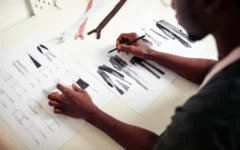
- Fashion Illustration: You learn how to communicate your design ideas visually. Sketching helps you present silhouettes, details, proportions, colours and overall concepts.
- Textile Knowledge: Different fabrics behave differently. Understanding textiles helps you make better decisions about which material works for a particular design, garment or purpose.
- Pattern Making and Garment Construction: An idea on paper needs to become an actual garment. Pattern making and construction introduce students to the technical side of creating clothing.
- Colour and Design: Colour can completely change the appearance and mood of an outfit. Students learn about colour combinations, visual balance, textures and other design principles.
- Fashion Styling and Presentation: Fashion also involves understanding how a complete look comes together. Styling and presentation can help students develop a stronger understanding of how garments, accessories and visual elements work together.

Why JD Institute Is a Top Choice for Fashion Designing in Bangalore
For students looking for Fashion Designing Colleges in Bangalore, JD Institute of Fashion Technology is worth considering because it offers an environment designed around creative education and practical learning. Fashion students need more than classroom theory. They need opportunities to experiment with ideas, understand design processes, work on projects and gradually develop their own creative identity.
JD Institute focuses on this combination of knowledge and application, helping students understand different aspects of fashion while developing their design skills. The institute also gives students opportunities to engage with the wider fashion and design ecosystem through practical assignments, workshops, projects and industry-oriented learning.
For someone comparing Fashion Designing Courses in Bangalore, this balance can make JD Institute a strong choice, particularly if the goal is to develop both creative confidence and practical understanding instead of simply completing a course.
What Career Options Can You Explore After Fashion Design?
One advantage of studying fashion is that you do not have to follow only one career path. As you gain experience and understand your strengths, you can explore different roles within the industry.
Here are some possibilities:
- Fashion Designer: Create clothing and accessories based on concepts, trends, customer requirements or your own design ideas.
- Fashion Stylist: Work on complete looks for individuals, brands, photoshoots, advertisements, events or media projects.
- Fashion Illustrator: Create illustrations that communicate fashion concepts, collections and garment ideas.
- Textile Designer: Work with colours, patterns, textures and fabric surfaces to develop textile designs.
- Fashion Merchandiser: Combine fashion knowledge with business understanding to work with product selection, trends, customers and sales.
- Fashion Entrepreneur: Start your own label, boutique, styling service or fashion-related business after gaining the required knowledge and experience.
Start Where You Are, Then Build Your Fashion Career
So, can I take a fashion design course after the 10th or 12th grade? Yes. The more important question is what you want to do after taking that first step.
If you have just completed Class 10, you can start exploring introductory fashion programmes and develop your creative skills while continuing to think about your academic plans. If you have completed Class 12 and already know that fashion is where you want to build your future, you can explore undergraduate fashion design programmes and begin more specialised learning.
There is also no need to feel pressured into having your entire career figured out at 16, 17 or 18. Fashion is a wide field, and your interests may change as you learn more. You might begin with an interest in clothing design and later discover that you enjoy styling, textiles, merchandising, fashion communication or entrepreneurship more.
The key is to choose an institute where you can experiment, learn, make mistakes, improve and gradually understand your own design voice. This is where choosing the right college becomes important. For students looking for Fashion Designing Colleges in Bangalore, JD Institute of Fashion Technology can be a strong option because of its focus on creative learning, practical exposure, design projects and industry-oriented education.
If you are still wondering, can I take a fashion design course after the 10th or 12th grade, do not look at the decision only as choosing your next course. Think of it as choosing the environment in which you will develop your creative and professional skills.