
Diploma in Furniture & Interior Product Design
03/07/2025 2026-06-29 18:03Diploma in Furniture & Interior Product Design
Diploma in Furniture & Interior Product Design
About Course
JD Institute of Fashion Technology, with campuses in Bangalore, Cochin, and Goa, offers a dynamic one-year Diploma in Furniture & Interior Product Design. This course is tailored to provide learners with the skills to design, prototype, and visualize furniture and interior accessories, blending creative ideation with technical know-how.
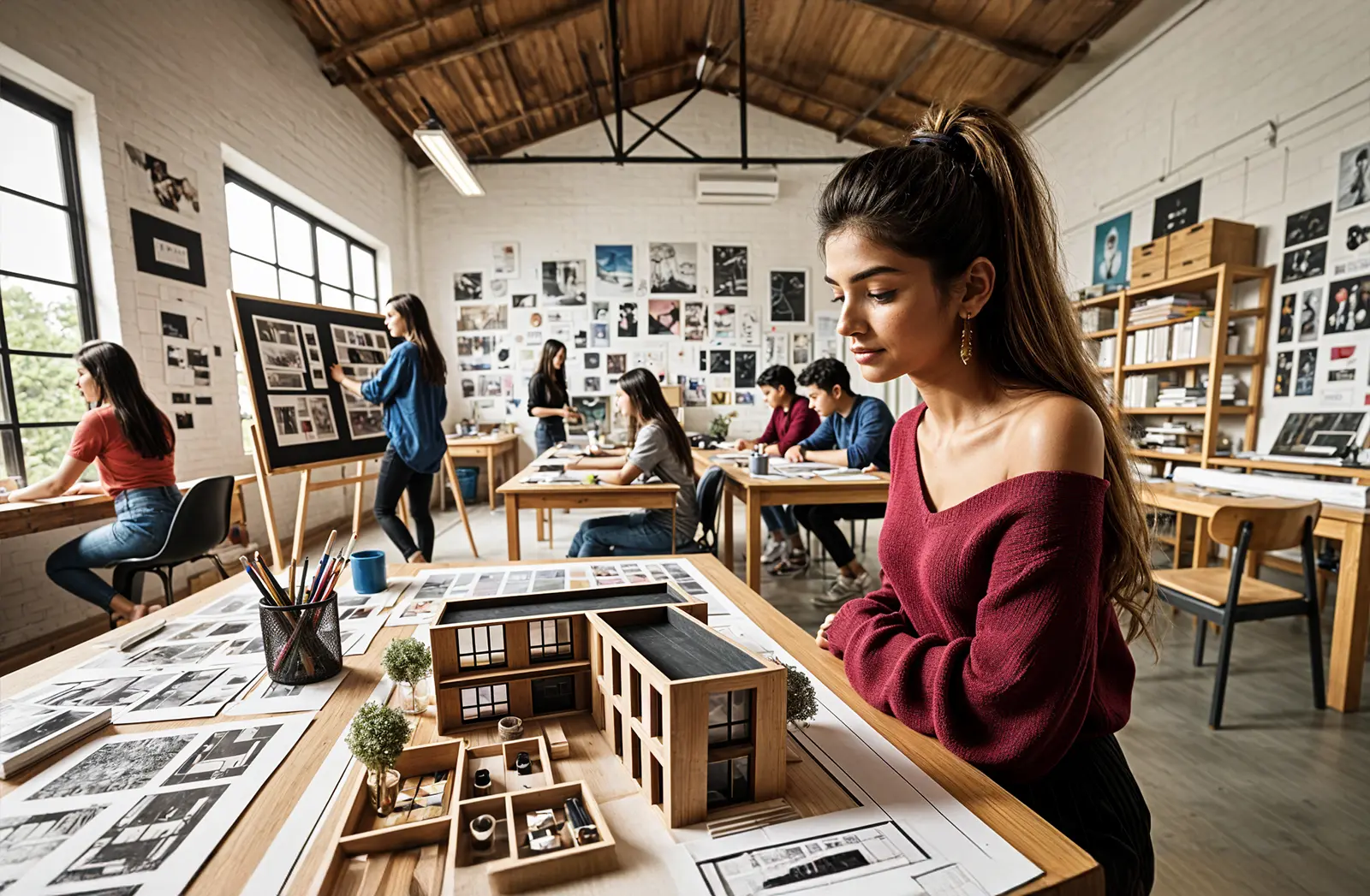
Focused on human-centric design, material exploration, and fabrication techniques, the program encourages students to reimagine everyday furniture and functional objects through hands-on prototyping, 3D modeling, and studio-based problem solving. Learners are trained to translate design ideas into tangible outcomes, from conceptual sketches to scaled models and digital visualizations.
Students gain exposure to key industry tools such as AutoCAD, SketchUp, V-Ray, along with workshop-based skills like joinery detailing, surface finishes, ergonomics, and mock-up building. The course prepares students to build user-focused products that are both functional and aesthetic — ready for bespoke studios, production units, or entrepreneurial ventures.
Duration: 1 Years
Eligibility: Eligibility: 10th Pass (12th preferred)
1. No prior design education required
2. Interest in furniture, interiors, and physical model making
3. Basic computer literacy
4. Manual dexterity and curiosity to work with tools, materials, and forms
Availability: Bengaluru
Course with Built-in AI Training
Why Choose JD Institute for a Diploma in Furniture & Interior Product Design?
JD Institute’s diploma combines design thinking, prototyping, and visualization with an understanding of materials, production methods, and end-user needs. The course is led by design practitioners who provide studio mentorship and hands-on fabrication sessions. Students are exposed to field visits, live design briefs, and portfolio-building opportunities that make them industry-ready.
What makes this diploma unique is its holistic approach — integrating creativity with construction. From sketch to prototype, students learn how to bring ideas to life, develop ergonomic and sustainable design solutions, and present them through compelling visuals and renders. The curriculum incorporates modern practices like digital fabrication, green materials, and small-batch manufacturing to reflect contemporary industry trends.
The studio-centric model, inter-disciplinary environment, and industry-relevant software training at JD Institute make it an ideal launchpad for aspiring product designers, furniture entrepreneurs, and interior object creators.
Course Overview
- Furniture & Product Design Principles
Explore human-centered design, function, form, ergonomics, and aesthetics. - Technical Drafting & Joinery Details
Learn manual and AutoCAD-based drafting, with emphasis on joinery, hardware, and production-ready detailing. - Material Studies & Surface Finishes
Understand timber, metal, laminates, and eco-materials — explore surface treatments and finishes. - Prototyping & Workshop Practices
Hands-on practice with scaled models, mockups, and basic woodworking/fabrication techniques. - Digital 3D Modeling
Use SketchUp to visualize furniture concepts in 3D with attention to scale and detail. - Rendering & Visualization Tools
Master V-Ray and Photoshop to create realistic presentations and moodboards. - Design Studio Projects
Work on interior furniture pieces, workspace units, storage solutions, and product ranges for various use cases.
Learning Outcomes
- Demonstrate understanding of architectural design principles and spatial organization.
- Draft accurate 2D architectural drawings using AutoCAD.
- Develop 3D models of built forms using SketchUp.
- Apply construction knowledge to small-scale building design.
- Analyze site conditions and plan massing based on climate and context.
- Create photorealistic renders using Enscape or V-Ray with material and lighting setups.
- Enhance design presentations using Photoshop for moodboards and layout sheets.
- Communicate architectural ideas through sketches, measured drawings, and visuals.
- Integrate structural and functional elements into design solutions.
- Build a portfolio showcasing concept development and visual outputs.
Career Opportunities
- Furniture Designer
- Interior Product Designer
- Model Maker / Prototype Fabricator
- CAD Draftsperson (Furniture)
- Exhibition / Display Designer
- Furniture Production Coordinator
- Design Assistant in Interiors / Retail Studios
- Product Visualization Freelancer
- Custom Furniture Brand Owner
- Interior Accessories Designer
Reasons To Apply
- Learn the fundamentals of furniture and product design with a strong design-thinking approach.
- Develop drafting and detailing skills for production using AutoCAD and Skectup.
- Explore materials, ergonomics, and sustainability in product development.
- Gain hands-on experience in workshop model making and basic joinery.
- Master software like SketchUp, V-Ray, and Photoshop for 3D visualization.
- Build a portfolio of sketches, working drawings, and renders for career or freelance work.
- Learn from practicing designers through studio-based learning.
- Develop entrepreneurial insight for launching your own furniture/product brand.
Course Structure
Semester I
Foundations in Furniture & Product Design
- Evolution of Furniture & Product Design
- Elements of Design + Ergonomics
- Drawing & Drafting Techniques
- Material Exploration I
- Software I – AutoCAD + SketchUp
- Design Studio I
Semester II
Applied Product Development & Digital Fabrication
- Modular & Flat-Pack Systems
- Material Exploration II
- Advanced Software – Fusion360 / Rhino + Rendering
- Product Detailing & Installation
- Design Studio II – Final Project
- Portfolio & Jury Prep
1. What is the starting salary after a diploma in furniture & interior product design?
The starting salary after a diploma in furniture & interior product design typically ranges between ₹2.5 LPA and ₹5 LPA, depending on skills, portfolio quality, internships, and industry exposure. Students at JD Institute gain practical experience that helps improve employability and career progression.
2. Does the diploma in furniture & interior product design include internships and industry exposure?
Yes, the program includes workshops, industry interactions, site visits, live projects, and internship opportunities that help students understand real-world furniture and product design practices.
3. Will I build a professional portfolio during the course?
Yes, portfolio development is an integral part of the diploma. Students work on furniture concepts, product prototypes, interior accessories, and design projects that can be showcased to employers, clients, and design studios.
4. Does JD Institute provide placement support after completing the program?
Yes, JD Institute offers placement assistance through portfolio reviews, industry networking opportunities, internships, and career guidance to help students transition into professional roles within the design industry.
5. Can I work with furniture brands after completing this diploma?
Yes, graduates can explore opportunities with furniture manufacturers, interior design firms, product design studios, retail brands, and custom furniture companies. The industry-focused curriculum prepares students for various professional roles.
6. Is a diploma in furniture & interior product design a good career choice?
Yes, the demand for skilled furniture and product designers continues to grow due to increasing interest in customised interiors, sustainable products, and innovative furniture solutions. The course equips students with both creative and technical expertise required for long-term career growth.
1. Is a diploma in furniture & interior product design worth pursuing in 2026?
Yes, the furniture and interior products industry continues to expand due to evolving consumer preferences, urban development, and growing demand for customised spaces. This makes the program a valuable option for aspiring designers.
2. What is the scope of a furniture design diploma in India?
This diploma in furniture design offers opportunities across furniture manufacturing, interior product development, retail design, custom furniture studios, design consultancies, and entrepreneurship. Graduates can work in both residential and commercial design sectors.
3. What career roles can I pursue after completing the program?
After completing the course, you can explore roles such as:
- Furniture Designer
- Interior Product Designer
- Product Development Executive
- Furniture Stylist
- Design Consultant
- Exhibition and Retail Display Designer
These roles combine creativity, functionality, and user-focused design principles.
4. Can I start my own furniture or product design business after graduation?
Yes, students gain exposure to design development, production processes, branding, and business fundamentals, which can help them launch their own furniture brand, design studio, or custom product venture.
5. Can I pursue higher studies after a diploma in furniture design?
Yes, graduates can pursue advanced studies in furniture design, product design, interior design, industrial design, or related creative disciplines to further specialise and expand their career opportunities.
1. What subjects are included in the diploma in furniture & interior product design curriculum?
The curriculum combines creative, technical, and practical learning. Students typically study:
- Furniture Design Fundamentals
- Product Design Principles
- Materials and Manufacturing Processes
- Ergonomics and Human Factors
- Interior Product Development
- Furniture Construction Techniques
- Design Sketching and Visualization
- Sustainable Design Practices
- Model Making and Prototyping
- Design Management and Entrepreneurship
These subjects help students develop industry-relevant skills.
2. What skills will I learn during the program?
Students develop a combination of creative and technical competencies, including:
- Furniture design and planning
- Product conceptualisation
- Space understanding
- Material selection
- Technical drawing and drafting
- Prototype development
- Design presentation skills
The program focuses on practical application and industry readiness.
3. Will I learn digital design tools during the furniture product design diploma?
These tools help students create technical drawings, 3D models, and professional presentations.
4. Is AI in design included in the diploma in furniture & interior product design program?
Yes, students are introduced to emerging technologies, including AI in interior design and product development workflows. They gain exposure to digital tools that support concept generation, design visualization, trend analysis, and efficient project execution.
5. Will I learn about sustainable furniture design?
Yes, sustainability is an important aspect of contemporary furniture and product design. Students learn about eco-friendly materials, responsible manufacturing methods, lifecycle thinking, and sustainable design practices that align with current industry expectations.
1. Do I need drawing skills to join the diploma in furniture & interior product design?
No, prior drawing expertise is not mandatory. Students are trained from the fundamentals of design sketching, visualization, and creative thinking, making the program suitable for beginners.
2. How long is the diploma in furniture & interior product design course?
The diploma program is designed to provide comprehensive learning through studio sessions, workshops, practical projects, portfolio development, and industry exposure over the duration of the course.
3. What makes JD Institute a good choice for studying furniture and interior product design?
JD Institute offers:
- Industry-oriented curriculum
- Practical studio learning
- Expert faculty guidance
- Workshops and live projects
- Portfolio development opportunities
- Industry exposure and networking
These elements help students develop both creative and professional capabilities.
4. What facilities are available for students pursuing this furniture product design diploma?
Students have access to design studios, computer labs, material exploration facilities, workshop spaces, project-based learning environments, and collaborative creative spaces that support hands-on learning.
5. What is the eligibility for admission to the diploma in furniture & interior product design program?
Students who have completed their 10th or 10+2 from a recognised board can apply for the program. The course welcomes students from diverse academic backgrounds who are interested in furniture, interiors, and product design.
6. Will I get opportunities to participate in design exhibitions and showcases?
Yes, students are encouraged to participate in exhibitions, design showcases, workshops, competitions, and industry events where they can present their work, gain exposure, and build professional connections.
Reserve Your Spot Now
Related Courses