
Diploma in Fashion Business Management – 1 Year (JD Institute)
18/04/2024 2026-06-18 17:58Diploma in Fashion Business Management – 1 Year (JD Institute)
Diploma in Fashion Business Management – 1 Year (JD Institute)
About Course
JD Institute of Fashion Technology’s one-year Diploma in Fashion Business Management offers students a well-rounded insight into the fashion industry, focusing on critical skills like strategic planning, problem-solving, decision-making, and leadership. It also helps students grasp organizational objectives and competitive global market trends. Additionally, the program encourages students to identify and address pressing industry concerns by formulating innovative solutions.
The ever-changing nature of the fashion world demands adaptability. This Diploma in fashion Management emphasizes the business and management aspects of fashion, teaching students to make ethical and value-driven decisions. The curriculum includes consumer psychology, forecasting, and entrepreneurship, while preparing students for challenges like design management, creative team building, and strategic goal setting. Graduates of this diploma can pursue various career paths, such as Fashion Brand Manager, Design Manager, Buyer, Merchandiser, Production Manager, and Fashion Publicist.

Duration: 1 Year
Eligibility: Graduation in any stream/+2/SSC
Availability: Bengaluru | Cochin | Goa
Course with Built-in AI Training
Why Choose A Diploma in Fashion Business Management?
Offering unparalleled opportunities, JD Institute’s Diploma in Fashion and Business Management helps students excel in the competitive fashion industry. This program bridges the gap between creativity and strategic management, making it ideal for those aspiring to work in roles such as fashion merchandising, marketing, or brand management. With a focus on industry-relevant skills, the curriculum incorporates market analysis, sustainability practices , AI in fashion design and e-commerce strategies. Students are immersed in a hands-on learning environment, with access to live projects, expert guest lectures, and collaborations with top brands.
Course Overview
- The Diploma in Fashion Business Management prepares students with a combination of managerial and technical skills essential for exploring vast career prospects in today’s fashion industry.
- It focuses on an in-depth understanding of management techniques, fashion products, and business acumen in the fashion sector.
- Applies AI for market analysis and inventory management, preparing students for strategic roles in the fashion industry.
- Students gain thorough knowledge of various fashion items and current lifestyle trends dominating the market.
- It offers insights into fashion marketing, innovative management approaches, merchandising, and retail strategies.
- Enables students to master problem-solving, decision making and strategic planning related to Fashion and Lifestyle services.
Learning Outcomes
- Gain comprehensive knowledge of leadership and organizational management, with the ability to strategically assess fashion business scenarios.
- Explore advanced management techniques and deepen understanding of business dynamics and their methodologies in fashion and lifestyle sectors.
- The Diploma in Fashion Business Management delves into key aspects of fashion business, including Media Influence, Trend Forecasting, Managerial Practices, Consumer Insights, and Branding Strategies.
- Cultivate essential skills for managing and organizing a fashion business effectively, while building valuable industry connections.
- Enhance your capacity to professionally manage a fashion and lifestyle enterprise, making informed and empathetic decisions.
Career Opportunities
- Fashion Buyer
- Design Manager
- Merchandiser
- Product Manager
- Retail Manager
- Business Development Manager
Reasons To Apply
- The Diploma in Fashion Business Management program through its pedagogy fosters the development of skills and aptitude needed to organise and manage an effective business whether it caters to fashion or lifestyle.
- The program develops its students for a plethora of jobs including but not limited to Merchandising, Spaces, Finance, Marketing, Event Planning, Entrepreneurial Management, Production, Distribution and Sales of Fashion products.
- Students are trained with the know-how of effective business management and risk strategies.
- Gain real-world working through industry exposure, talks, seminars and internships which help them build networks and connections.
Course Structure
SYLLABUS
| Dynamics of Fashion Industry |
| Brand Management |
| Fashion psychology and Consumer Behavior |
| Research Philosophy and Ethics |
| Fashion Forecasting |
| Fashion Merchandising |
| Fashion Marketing |
| Fashion Journalism |
| Retail Management |
| Vendor Management |
| Fashion entrepreneurship |
| Visual Merchandising |
| Fashion Law |
| Professional Practice |
Fashion Business Management is a comprehensive programme to launch a student of fashion with the advance management techniques and business understanding. It aims at launching a person in the multinational firms or making a person confident in managing one’s own business hours. Backed by intensive industry exposure and market research it leaves no stone unturned to make a student – An entrepreneur
Frequently Asked Questions
1. What career opportunities are available after a diploma in fashion business management?
A fashion business management diploma prepares students for careers across fashion retail, merchandising, brand management, marketing, e-commerce, buying, luxury retail, and fashion entrepreneurship. Graduates can work with fashion brands, retail chains, online marketplaces, export houses, and lifestyle companies in business-focused roles.
2. What is the average starting salary after completing a fashion management diploma?
The starting salary after a fashion management diploma course generally ranges between ₹3 LPA and ₹6 LPA, depending on the employer, job profile, internship experience, and skill set. Professionals working in retail management, merchandising, and fashion marketing often have strong growth opportunities.
3. Does the course include internship opportunities?
Yes, most industry-oriented fashion management courses incorporate internships, live projects, industry interactions, and practical assignments. These experiences help students understand real-world business operations and build professional networks before graduation.
4. Can I work with luxury fashion brands after completing the program?
Yes, students can pursue opportunities with luxury fashion and lifestyle brands in areas such as retail management, customer experience, merchandising, sales strategy, and brand communication. A strong understanding of fashion business operations is highly valued in the luxury segment.
5. Does JD Institute support placements for fashion business students?
JD Institute of Fashion Technology offers industry exposure through workshops, guest lectures, portfolio development, internships, and placement assistance, helping students prepare for professional opportunities in the fashion and retail sectors.
1. Is a diploma in fashion business management a good career choice?
Yes, the fashion industry requires professionals who can combine creativity with business strategy. A diploma in fashion business management equips students with knowledge of retail operations, consumer behavior, branding, merchandising, and business management, making it a promising career option.
2. What job roles can I pursue after completing the course?
Graduates can explore roles such as Fashion Merchandiser, Retail Manager, Fashion Buyer, Brand Executive, Marketing Coordinator, E-commerce Manager, Store Operations Executive, Visual Merchandising Coordinator, and Fashion Business Consultant.
3. Can I start my own fashion brand after this course?
Yes, the program provides insights into branding, business planning, retail management, marketing strategies, and consumer trends, which can help aspiring entrepreneurs launch and manage their own fashion ventures.
4. What is the difference between a diploma in fashion management and a fashion design course?
A diploma in fashion management focuses on the business and commercial aspects of the fashion industry, including retail, marketing, merchandising, and brand development. Fashion design programs primarily focus on garment creation, design concepts, and product development.
5. Are there opportunities in e-commerce and digital fashion retail?
With the growth of online shopping, fashion businesses increasingly require professionals who understand digital marketing, customer engagement, inventory management, and online retail operations, creating diverse career opportunities in the e-commerce sector.
6. Can I pursue higher studies after completing a diploma in fashion management?
Yes, students can continue their education through advanced certifications, degree programs, or specialized fashion management courses in areas such as luxury brand management, retail management, marketing, and entrepreneurship.
1. What skills will I learn in a fashion management diploma?
Students develop skills in fashion merchandising, retail management, brand building, consumer behavior analysis, marketing strategies, business communication, sales management, trend forecasting, and entrepreneurship.
2. Are AI tools used in fashion business management today?
Yes, modern fashion businesses increasingly use AI tools fashion business management professionals rely on for trend forecasting, inventory planning, customer analytics, demand prediction, personalized marketing, and retail optimization. Understanding these technologies helps students stay industry-ready.
3. Will I learn about fashion marketing and branding?
Yes, branding and marketing are key components of the curriculum. Students learn how fashion brands build market presence, communicate with customers, develop campaigns, and strengthen brand identity across multiple platforms.
4. Does the course cover retail and merchandising concepts?
Yes, students gain practical knowledge of retail operations, merchandising strategies, product planning, pricing, inventory management, and consumer purchasing behavior, all of which are essential for successful fashion businesses.
5. Are digital and e-commerce tools included in the curriculum?
Most contemporary programs introduce students to digital retail practices, online sales strategies, social media marketing, customer engagement tools, and business analytics that support modern fashion commerce.
1. Why is the learning environment important for fashion management students?
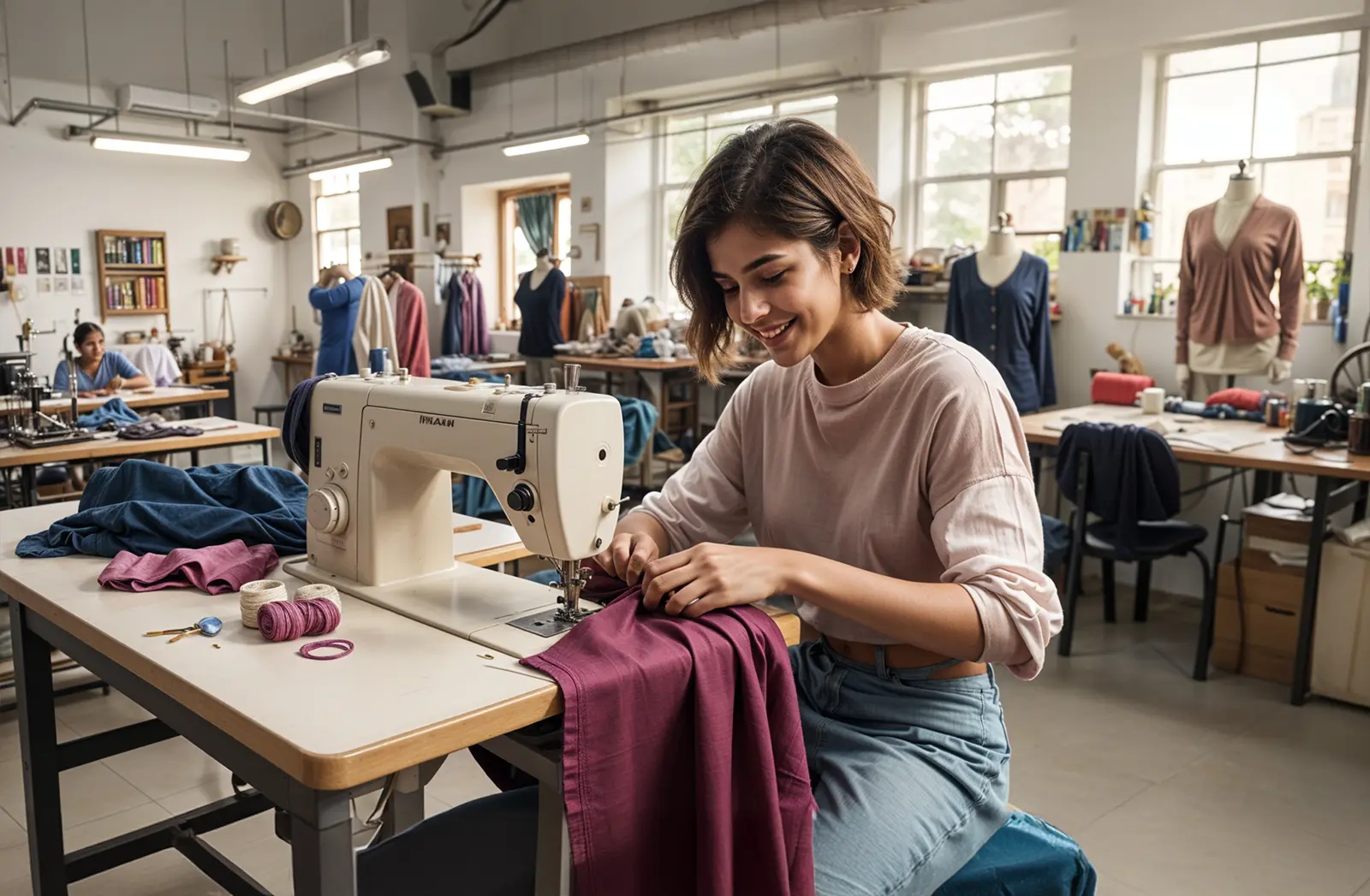
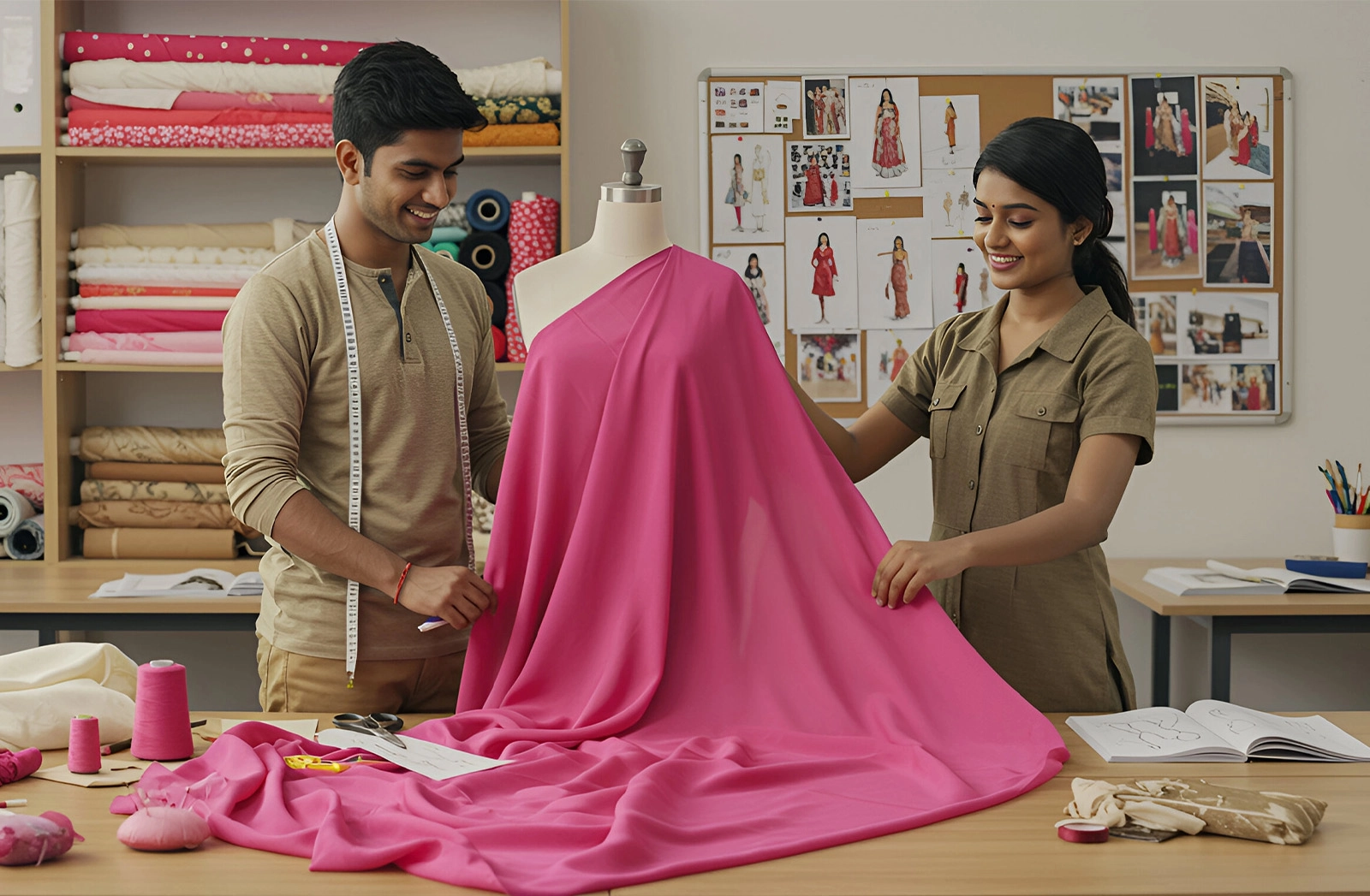
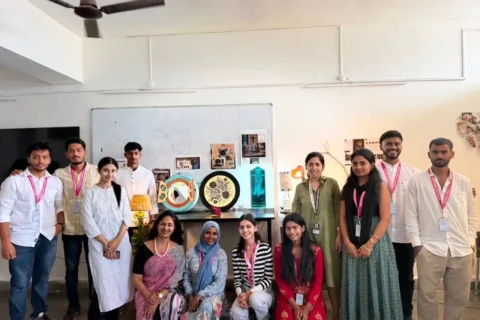
A professional learning environment helps students understand industry expectations, collaborate on projects, build leadership skills, and gain confidence in business decision-making. At JD Institute, students benefit from an interactive and industry-focused academic atmosphere that encourages innovation and professional growth.
2. Does JD Institute provide industry exposure during the course?
Yes, students are exposed to industry practices through workshops, expert sessions, seminars, live projects, fashion events, and interactions with professionals from the fashion and retail sectors.
3. Are students given opportunities to work on practical business projects?
Yes, practical learning is an important part of the curriculum of a diploma in fashion business management. Students often participate in case studies, brand analysis projects, retail simulations, marketing campaigns, and industry assignments that strengthen their understanding of fashion business operations.
4. What facilities support learning in fashion management courses at JD Institute?
Students typically have access to modern classrooms, digital learning resources, industry-oriented workshops, collaborative project spaces, and professional mentoring that enhance both academic and practical learning experiences.
5. Is this course suitable for students without prior fashion knowledge?
Yes, the program is designed to build foundational and advanced knowledge progressively. Whether students come from commerce, arts, science, or other academic backgrounds, they can develop the skills required to succeed in the fashion business industry through a structured learning approach.
Reserve Your Spot Now