
Diploma in Architectural Design & Visualization
03/07/2025 2026-06-18 19:21Diploma in Architectural Design & Visualization
Diploma in Architectural Design & Visualization
About Course
JD Institute of Fashion Technology, with campuses in Bangalore, Cochin, and Goa, offers a comprehensive one-year Diploma in Architectural Design & Visualization aimed at equipping students with the dual competencies of architectural thinking and visual communication. The course is designed to introduce learners to the fundamentals of building design while simultaneously training them in industry-relevant visualization tools and techniques.
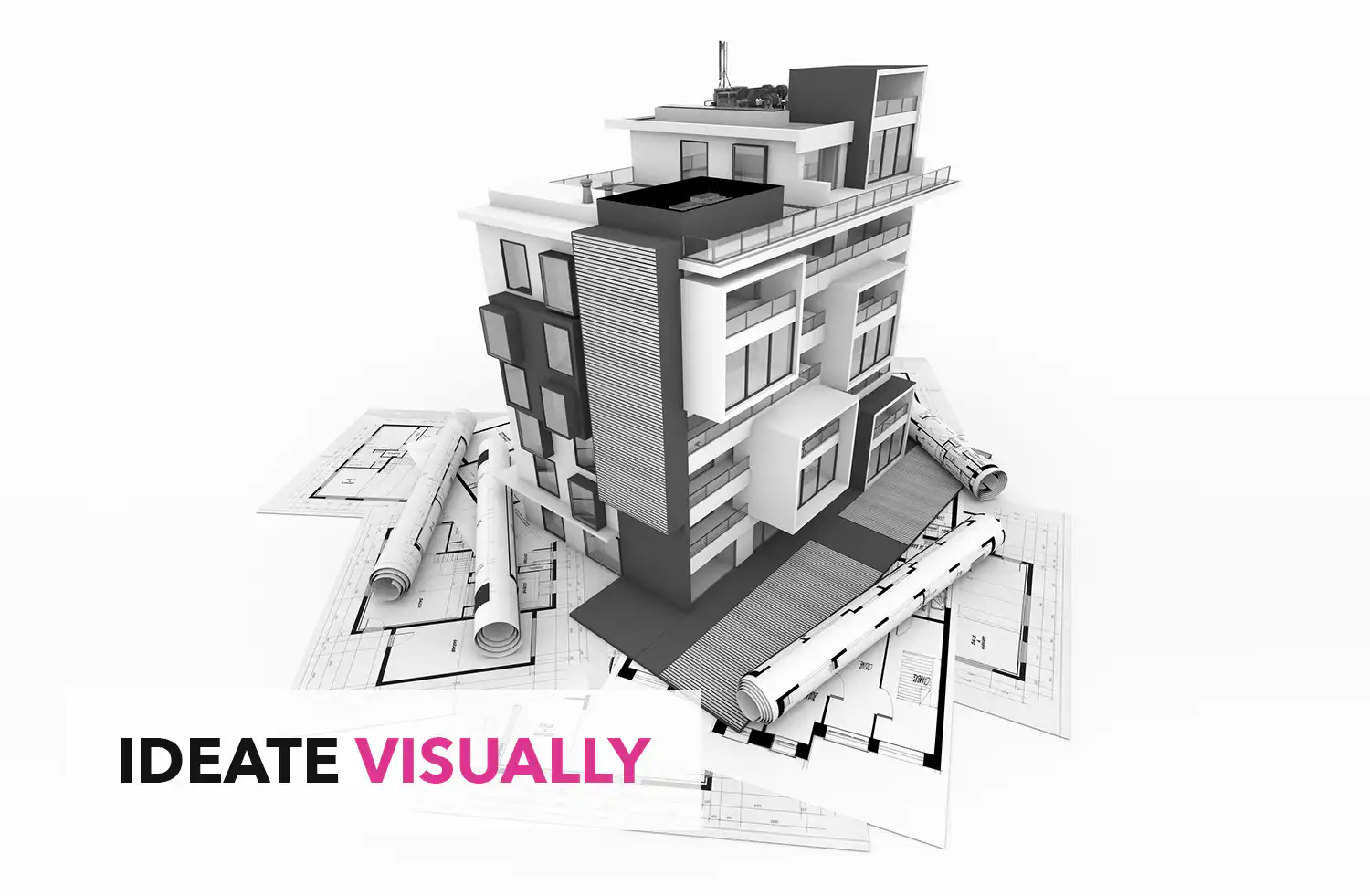
Adopting a studio-based and hands-on approach, the program encourages students to explore the spatial, structural, and contextual dimensions of architectural design. Through design studios, field exposure, and software training, students engage with the design process from ideation and conceptual sketches to working drawings and immersive 3D renders.
The curriculum integrates drafting, construction basics, site planning, and digital tools such as AutoCAD, SketchUp, Enscape, V-Ray, and Photoshop. By the end of the course, students are capable of producing professional-quality Conceptual drawings, photorealistic visualizations, and presentation portfolios suited for architectural firms, visualization studios, or further academic

Duration: 1 Years
Eligibility: Eligibility: 10th pass (12th preferred)
● No design background needed – visual interest and hands-on mindset is ideal
● Ability to work with hand tools and interest in model making or crafts
● Basic computer knowledge for digital modules
● Curiosity to understand how things are built, assembled, and used
Availability: Bengaluru
Course with Built-in AI Training
Why Choose JD Institute for a Diploma in Architectural Design & Visualization?
JD Institute of Fashion Technology’s Diploma in Architectural Design & Visualization offers a future-forward curriculum that blends core architectural design thinking with advanced visualization techniques. What sets this program apart is its dual focus: students not only learn to conceptualise built environments but also to present them using industry-standard digital tools such as AutoCAD, SketchUp, Enscape, V-Ray, and Photoshop.
The course encourages students to explore spatial concepts, structural logic, and real-world site planning, while nurturing their visual storytelling skills through rendering and walkthrough creation. With a strong emphasis on experimentation, students are inspired to think critically and creatively balancing design functionality with aesthetic appeal. The curriculum is infused with contemporary design approaches, including the integration of AI tools and sustainable planning strategies, ensuring learners are aligned with industry practices.
JD Institute’s studio-driven model, expert faculty, and cross-disciplinary ecosystem make it an ideal platform for aspiring architects, visualizers, and design technicians to build a strong foundation and stand out in the evolving design industry.
Course Overview
Foundational Design Principles
Learn the core concepts of architectural design, including space planning, scale, form, and functionality.
- Professional Drafting Skills
Gain hands-on training in manual and digital drafting through tools like AutoCAD, mastering 2D plans, sections, and elevations.
- Site Planning & Structural Awareness
Understand zoning, climate-responsive design, and basic construction techniques including RCC frame systems and massing.
- Design Studios & Real-World Projects
Work on live design briefs such as kiosks, bus shelters, and small residences to build conceptual design.
- 3D Modeling Proficiency
Create 3D architectural models using SketchUp, focusing on spatial visualization.
- Rendering with Enscape & V-Ray
Learn to produce photorealistic interior and exterior renders by applying materials, lighting, and entourage elements.
- Post-Production with Photoshop
Enhance project presentations with layout design, moodboards, and visual storytelling using Adobe Photoshop.
- Ideal for Multiple Career Paths
Perfect for aspiring architects, interior design assistants, CAD technicians, 3D visualizers, or freelance presentation specialists.
Learning Outcomes
- Demonstrate understanding of architectural design principles and spatial organization.
- Draft accurate 2D architectural drawings using AutoCAD.
- Develop 3D models of built forms using SketchUp.
- Apply construction knowledge to small-scale building design.
- Analyze site conditions and plan massing based on climate and context.
- Create photorealistic renders using Enscape or V-Ray with material and lighting setups.
- Enhance design presentations using Photoshop for moodboards and layout sheets.
- Communicate architectural ideas through sketches, measured drawings, and visuals.
- Integrate structural and functional elements into design solutions.
- Build a portfolio showcasing concept development and visual outputs.
Career Opportunities
- Furniture Designer
- Interior Product Designer
- Prototype Maker / Model Fabricator
- Design Entrepreneur (Bespoke Brand)
- Installation Artist / Set Designer
- Freelance Product Visualizer
- Furniture Production Assistant
Reasons To Apply
- Learn the foundations of architectural design, drafting, and spatial planning.
- Master professional software like AutoCAD, SketchUp, Lumion, and Photoshop.
- Build working knowledge of building construction basics and site planning.
- Develop real-time 2D and 3D design documentation and visualization outputs.
- Understand structural logic, orientation, and climate-responsive design.
- Create photorealistic renders, walkthroughs, and presentation boards.
- Practice manual sketching, measured drawing, and technical detailing.
- Compile a comprehensive design and visualization portfolio for career use.
- Explore career paths in architectural support, interior visualization, or drafting.
- Get trained by practicing architects with studio-based and field exposure.
Course Structure
Semester I
Architectural Design Foundations
Introduction to Architecture
Architectural Graphics & Drafting
Building Construction Basics
Design Studio I
AutoCAD 2D
Freehand & Measured Drawing
Semester II
Digital Visualization & Applied Design
Site Planning & Massing
Structural Awareness
SketchUp
Rendering with V-Ray / Enscape
Post-Production (Photoshop)
Final Project
Frequently Asked Questions
1. What placement opportunities are available after completing JDI’s diploma in architectural design & visualization?
Students who complete the architectural design diploma can explore opportunities in architectural firms, interior design studios, real estate companies, construction consultancies, visualization agencies, and urban planning organizations. JDI also provides placement support to help students connect with potential employers.
2. Which job roles can I pursue with an architectural design diploma?
Graduates can apply for roles such as:
- Architectural Draftsman
- Architectural Visualizer
- CAD Designer
- 3D Modeling Artist
- BIM Technician
- Design Assistant
- Rendering Specialist
- Architectural Presentation Designer
3. Can I develop practical skills and a diploma in architectural design?
Yes, employers often look for candidates with strong software proficiency, technical drawing skills, and visualization expertise. A diploma in architectural design focused on industry projects helps students build a portfolio that demonstrates these abilities.
4. Can I work as a freelance architectural visualizer after completing the course?
Absolutely, students can take up freelance assignments involving:
- 3D architectural rendering
- Concept visualization
- Walkthrough presentations
- Residential and commercial design support
- Digital presentation development
5. How does the course help me build a professional portfolio?
Throughout the program, students work on live projects, design assignments, and visualization exercises that can be compiled into a professional portfolio, making it easier to showcase skills during interviews and client presentations.
1. What is the career scope of a diploma in architectural design & visualization?
The demand for skilled professionals in design visualization continues to grow as architecture, construction, and real estate industries increasingly rely on digital presentations and immersive design communication. Graduates can find opportunities across multiple sectors that require architectural visualization expertise.
2. How is an architectural design and visualization diploma different from a traditional architecture degree?
This diploma course on architectural design & visualization focuses on practical design communication, drafting, 3D modeling, rendering, and visualization tools. It is designed to develop industry-ready skills in a shorter duration compared to a full architecture degree.
3. Can I pursue higher studies after completing the architectural design and visualization diploma?
Yes, students can continue their education through advanced design programs, specialized visualization courses, BIM certifications, or related programs in architecture, interior design, and digital design.
5. Is architectural visualization a future-ready career?
Yes, as clients increasingly expect realistic visual presentations before construction begins, visualization specialists are becoming essential to modern architectural workflows.
6. Can this diploma help me start my own design consultancy?
Yes, the program equips students with design presentation, drafting, visualization, and project communication skills that can support freelance work or the establishment of a small design consultancy.
1. What software will I learn in the diploma in architectural design & visualization?
Students are introduced to industry-relevant software commonly used for:
- Architectural drafting
- 3D modeling
- Rendering
- Visualization
- Design presentations
- Documentation workflows
2. Does the course cover AI in architecture design?
Yes, students gain exposure to emerging trends, including AI in architecture design, and learn how intelligent tools can support concept development, visualization workflows, design exploration, and project presentations.
3. What technical skills will I develop during the program?
Key skills include:
- Architectural drafting
- Space planning fundamentals
- 3D modeling
- Digital rendering
- Visualization techniques
- Design communication
- Presentation development
- Portfolio creation
4. How important is visualization in modern architecture?
Visualization helps architects and designers communicate ideas clearly before construction begins. Through realistic renders, walkthroughs, and presentations, stakeholders can better understand project concepts and make informed decisions.
5. Will I learn both manual and digital design techniques?
Yes. Students develop foundational design understanding while also learning digital workflows that are widely used in contemporary architectural practice.
6. How does the program prepare students for industry-standard workflows?
The curriculum emphasizes project-based learning, software training, design documentation, and visualization practices that align with professional architectural and design environments.
7. Do I need prior software knowledge before joining the course?
No. The program is structured to help beginners gradually develop technical and visualization skills through guided learning and practical exercises.
1. What facilities are available for students enrolled in the diploma in architectural design & visualization?
Students have access to learning spaces designed to support design education, including digital labs, software-enabled workstations, project discussion areas, and presentation facilities.
2. Are students provided with hands-on training during the course?
Yes, practical learning is a major component of the program. Students work on assignments, design exercises, visualization projects, and portfolio development activities throughout the course.
3. How does the campus environment support creative learning?
The campus encourages collaboration, idea sharing, project discussions, and creative exploration, helping students develop both technical and conceptual design skills.
4. Will I get opportunities to work on real-world design projects?
Yes, students are exposed to project-based learning experiences that simulate professional design scenarios and help build industry-relevant competencies.
5. Are modern design technologies available for student learning?
The institute provides access to contemporary design and visualization tools that help students gain familiarity with current industry practices and evolving technological trends.
6. How do campus resources help students prepare for professional careers?
Campus facilities support practical learning, portfolio development, software training, collaborative projects, and presentation skills, enabling students to transition confidently into professional design environments.
7. Does JDI provide an industry-oriented learning environment for architectural design students?
Yes, the learning approach combines technical training, visualization techniques, project work, and industry-focused skill development to help students become career-ready professionals in the design sector.