
Diploma in Fashion Technology – 1 Year (JD Institute)
14/04/2024 2026-06-18 18:31Diploma in Fashion Technology – 1 Year (JD Institute)
Diploma in Fashion Technology 1 Year (JD Institute)
About Course
For aspiring fashion designers, JD Institute of Fashion Technology’s one-year Diploma in Fashion Technology, is the perfect starting point to delve into the technical aspects of fashion creation. The course enables students to shape their creative voice while exploring the boundaries of their artistic practice. The experimental learning model equips students with the skills needed to address practical and industry-specific challenges with confidence and responsibility.
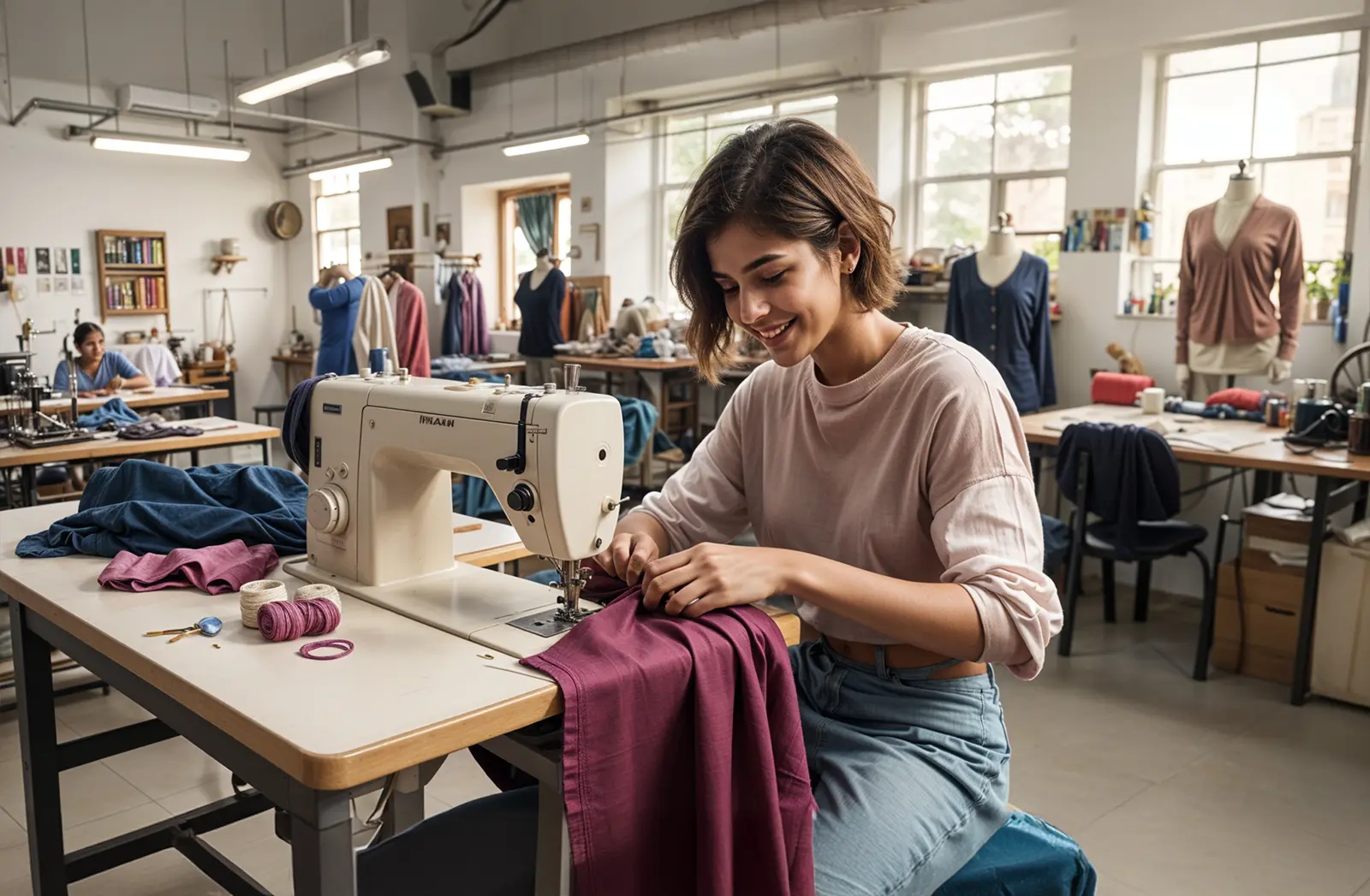
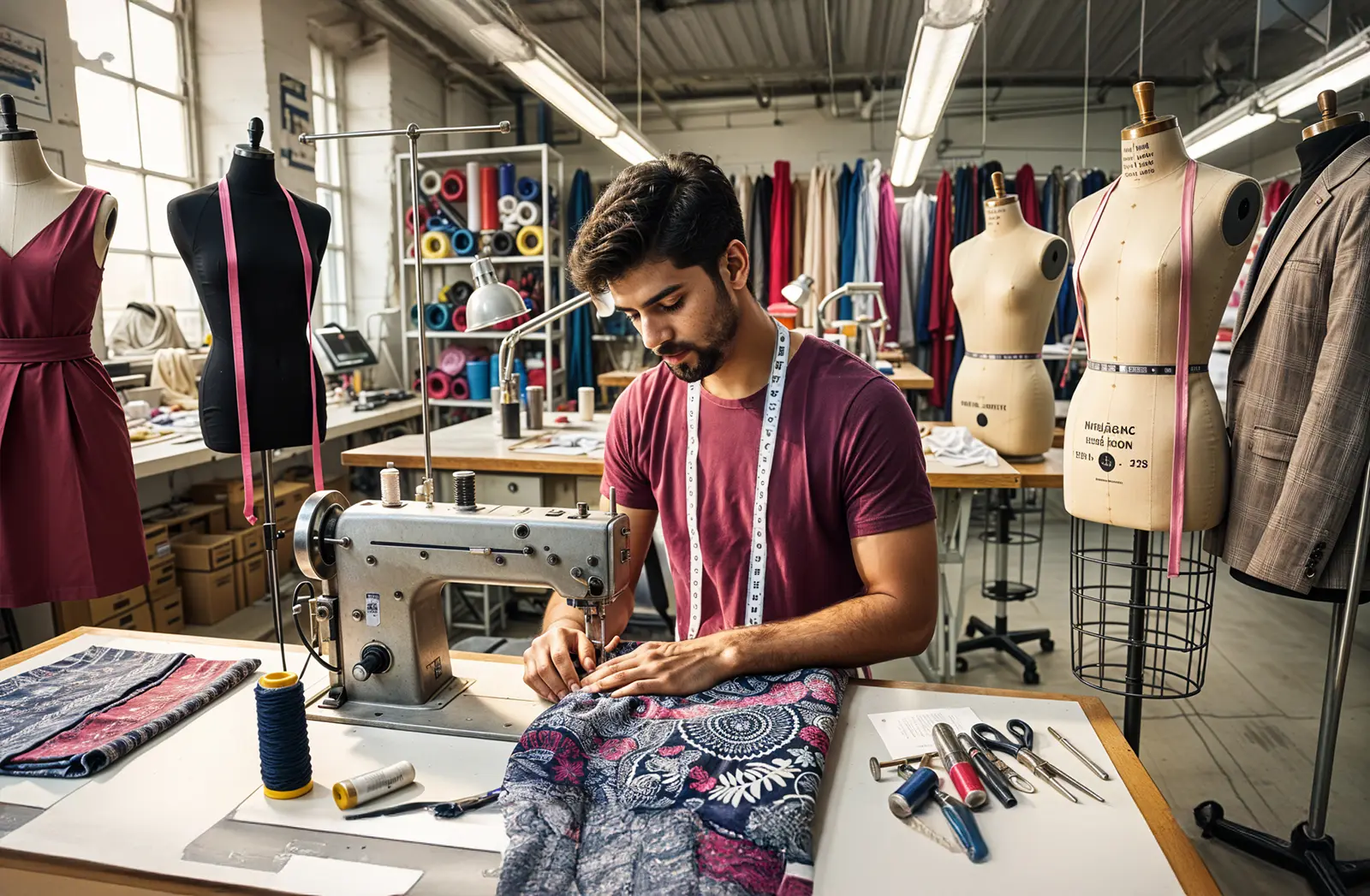
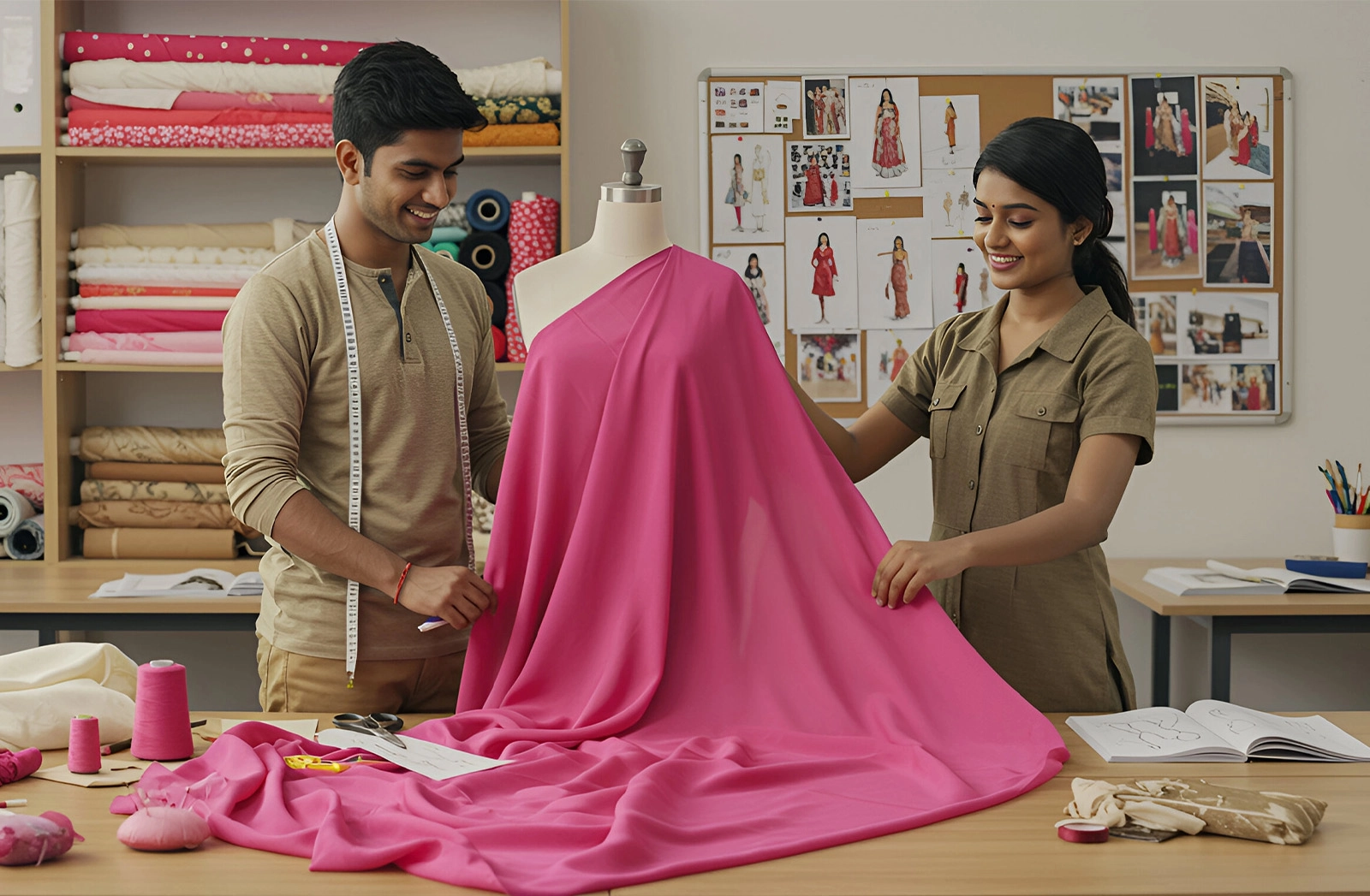
The Diploma in Fashion Technology focuses on the building blocks of fashion design, integrating theoretical understanding with hands-on training. Students are immersed in the techniques of draping, garment construction, and pattern cutting, gaining valuable technical expertise. Additionally, the course fosters digital proficiency and cultivates an awareness of textile artistry, preparing students to innovate and thrive in diverse roles within the fashion world.

Duration: 1 Year
Eligibility: SSC (10th Standard), +2 or graduation of any stream
Availability: Bengaluru | Cochin
Course with Built-in AI Training
Why Diploma in Fashion Technology from JD Institute?
Embark on a journey of creativity and innovation with a Diploma in Fashion Technology from JD Institute. Renowned for its excellence, the institute is a pioneer in fashion education, combining artistry with technical know-how. Students learn from industry veterans in a dynamic environment that encourages experimentation and critical thinking. From garment construction to digital fashion tools, JD Institute provides comprehensive training that aligns with global fashion standards. The program is designed to nurture individual talent while offering extensive industry exposure through internships, collaborations, and events. Our curriculum incorporates the concept of AI in fashion design, enhancing creativity and innovation in design processes. Graduates of JD Institute not only enter the workforce with confidence but also with a portfolio that speaks of their skills and creativity. Your future in fashion begins here.
Course Overview
The Diploma in Fashion Technology is structured to deliver thorough training in technical processes, enhancing students’ ability to contribute to the evolving fashion industry.
- The project-focused curriculum promotes a balance of research, creativity, and technical skill development.
- Students are encouraged to explore innovative design and marketing strategies for a comprehensive learning experience.
- Utilizes AI-driven software to analyze consumer behavior and preferences, assisting students in developing apparel that resonates with target audiences.
- The program ensures a deep understanding and practical application of key components relevant to the fashion technology sector.
Learning Outcomes
- The Diploma in Fashion Technology helps to build a comprehensive understanding of the core elements of Fashion Design and experiment with progressive techniques to broaden its boundaries and applications.
- Foster an independent creative perspective, leveraging their skills to create unique garments and evaluate the impact of their creative contributions.
- Develop the proficiency and business acumen required to start their own design enterprise or build a distinctive fashion label.
Career Opportunities
- Experience learning in an advanced facility at JD Institute’s Diploma in Fashion Technology featuring state-of-the-art technology and certifications tailored to industry requirements.
- Develop essential skills that are fundamental to becoming a proficient fashion designer.
- Students pursuing Diploma in Fashion Technology from JD Institute benefit from internships and placement programs with renowned brands in the fashion industry.
- Present your creations at the JD Design Awards, an acclaimed fashion event celebrated across India.
Reasons To Apply
Students graduating from JD Institute of Fashion Technology acquire the skills to leave a lasting impression in the fashion world. The Diploma in Fashion Technology enables participants to create their own label and succeed in diverse career paths, such as:
- Fashion Entrepreneurs
- Pattern Masters
- Garment Manufacturing Managers
- Assistant Fashion Designers
Course Structure
SYLLABUS
| Fashion Theory |
| Fashion Illustration & Flat drawings |
| Design Process |
| Art & Costume Appreciation |
| CAD – Photoshop |
| Draping |
| Pattern Making |
| Garment Construction |
| Fashion Merchandising & Sourcing |
| Textile Appreciation |
| Fabric Manipulation & Ornamentatiion |
| Fashion Sales & Marketing |
| Illustrator |
| Boutique Management & Fashion Entrepreneurship |
| Final Project |
Frequently Asked Questions
1. What career opportunities are available after completing a diploma in fashion technology?
A fashion technology diploma course can lead to roles such as garment production assistant, fashion merchandiser, quality control executive, apparel production coordinator, sourcing assistant, CAD operator, and fashion technologist. The program equips students with both technical and industry-oriented skills required by the fashion and apparel sector.
2. What is the average starting salary after a Fashion Technology Diploma?
Entry-level salaries generally range between ₹2.5 LPA and ₹5 LPA, depending on the employer, location, skill set, and internship experience. Candidates with strong technical knowledge and software proficiency often have better growth opportunities.
3. Does a diploma in fashion technology include internship opportunities?
Many institutes integrate internships, industry projects, workshops, and practical exposure into the curriculum. These experiences help students understand manufacturing processes, production planning, quality standards, and real-world industry operations.
4. Which industries hire graduates of diploma courses in fashion technology?
Graduates can find opportunities in apparel manufacturing companies, export houses, fashion brands, retail organizations, textile companies, buying houses, e-commerce businesses, and garment production units.
5. Can I start my own apparel or fashion business after this course?
Yes, the diploma courses in fashion technology provides knowledge of garment production, product development, sourcing, quality management, and industry workflows, which can help aspiring entrepreneurs establish apparel labels, manufacturing units, or fashion-related businesses.
1. Is a diploma in fashion technology a good career choice?
Yes. The fashion industry increasingly requires professionals who understand both design and production processes. A diploma in fashion technology prepares students for technical and managerial roles within the apparel and textile sector.
2. What are the long-term career growth opportunities in this field?
Professionals can progress into positions such as production manager, technical designer, sourcing manager, quality assurance specialist, apparel merchandiser, product developer, or fashion operations manager with experience and additional qualifications.
3. Can I pursue higher education after completing a Fashion Technology Diploma?
Absolutely. Students can continue with advanced diploma programs, undergraduate degrees, or specialized certifications in apparel design, fashion management, merchandising, textile technology, and related disciplines.
4. Is a diploma in fashion technology after 10th suitable for students interested in the apparel industry?
Yes, joining a fashion technology course after 10th can provide an early introduction to garment construction, textiles, production techniques, and fashion industry fundamentals, helping students build technical expertise from the start.
5. What is the difference between a fashion design course and a fashion technology course?
Fashion design focuses more on creativity, aesthetics, and collection development, while fashion technology emphasizes garment production, manufacturing processes, technical construction, quality control, and industry operations.
1. What technical skills are taught in a diploma in fashion technology?
Students typically learn garment construction, pattern making, sewing technology, textile science, apparel production, quality control, fashion illustration, CAD software, and production management techniques.
2. How is AI influencing the fashion industry today?
The growing adoption of AI in fashion technology is transforming trend forecasting, inventory management, supply chain optimization, consumer analysis, and product development. Understanding these emerging technologies can provide students with a competitive advantage in the industry.
3. Will I learn fashion software and digital tools during the course?
Yes. Most programs include training in industry-relevant design and production software that supports pattern development, technical drawings, production planning, and apparel visualization.
4. Is practical training an important part of a 1 year fashion technology course?
Yes, JD Institute’s 1 year course on fashion technology generally emphasizes hands-on learning through workshops, lab sessions, garment construction projects, production exercises, and industry-oriented assignments.
5. Do students learn about textile and fabric technologies?
Yes. Understanding fabrics, textile properties, material selection, fabric performance, and production techniques is an essential component of a fashion technology diploma, helping students make informed manufacturing decisions.
6. Does the course focus on garment manufacturing processes?
Yes. Understanding fabrics, textile properties, material selection, fabric performance, and production techniques is an essential component of a fashion technology diploma, helping students make informed manufacturing decisions.
1. What kind of facilities should students expect while pursuing a Diploma in Fashion Technology?
Students typically benefit from garment construction labs, sewing workshops, CAD facilities, textile laboratories, design studios, resource centers, and industry-oriented learning spaces that support practical training.
2. How does JD Institute support hands-on learning for fashion technology students?
JD Institute of Fashion Technology provides an industry-focused learning environment that encourages practical exploration, technical skill development, creative problem-solving, and mentorship through workshops, projects, and expert guidance.
3. Are workshops and industry interactions included in the program?
Yes. Guest lectures, workshops, masterclasses, and interactions with industry professionals help students gain valuable insights into current trends, technologies, and workplace expectations.
4. Do students get opportunities to work on real-world projects?
Many institutes encourage students to participate in live projects, production assignments, exhibitions, and collaborative activities that help bridge the gap between classroom learning and industry requirements.
5. Why is the learning environment important in a fashion technology course?
A well-equipped and collaborative campus environment helps students strengthen technical skills, gain practical experience, explore innovation, and build confidence for successful careers in the fashion and apparel industry.
Reserve Your Spot Now