Diploma in Set Design
07/05/2026 2026-07-01 15:05Diploma in Set Design
Diploma in Set Design

About Course
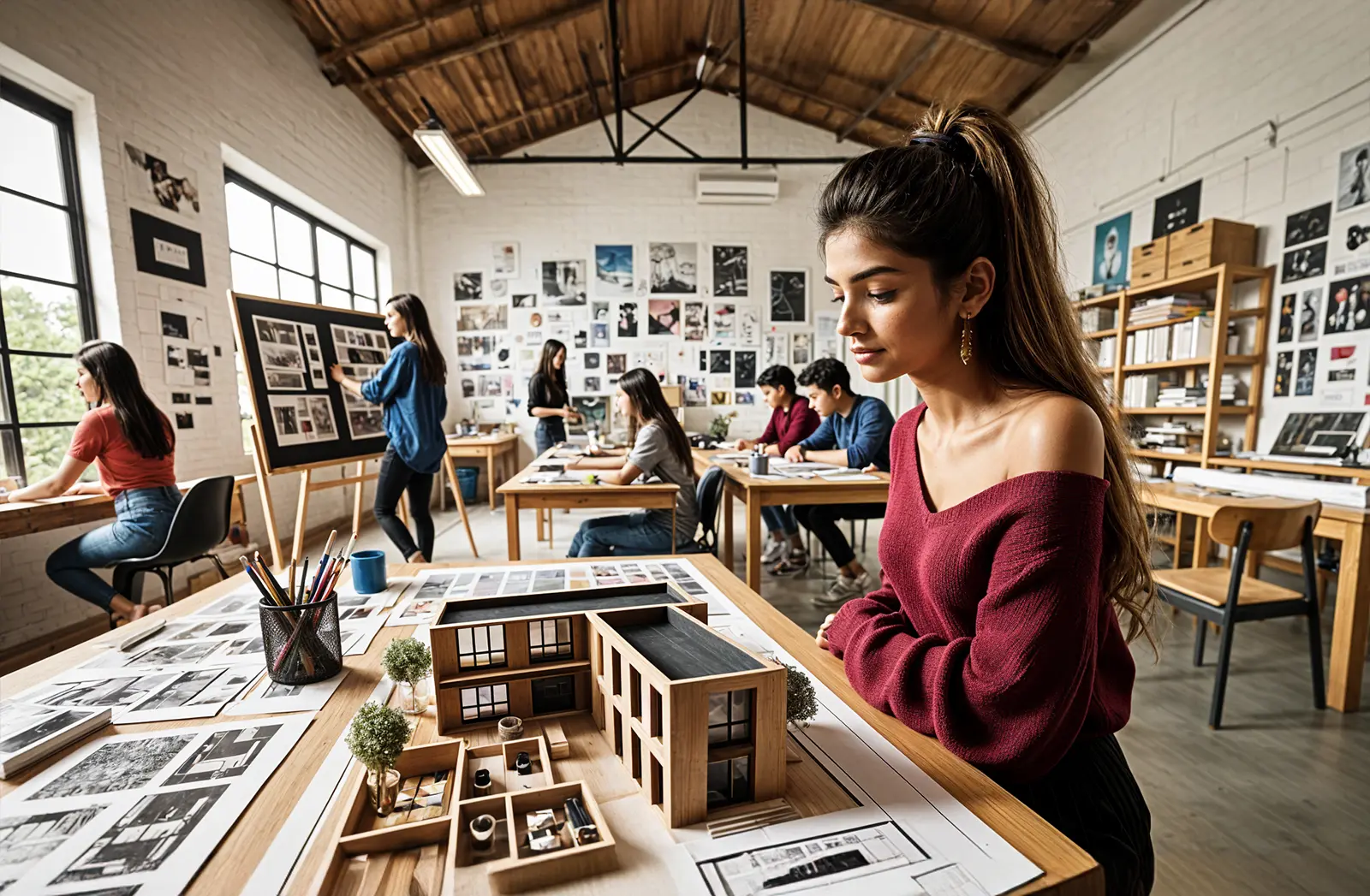
This comprehensive set design program guides students through the entire creative and technical process of building visual worlds for film, theatre, events, and digital media. The course covers concept development, sketching, technical drafting, materials, lighting, props, and digital visualization. Students learn to design realistic, functional, and story-driven sets through hands-on studio sessions, workshops, and live projects. By the end, every student produces a full-fledged professional portfolio and a final capstone project showcased to industry experts.
Duration: 1 Years
Eligibility:
Open to students who have completed 10th / PUC / 12th / Diploma / any undergraduate stream.
- No technical or artistic background required; the course begins with fundamentals.
- Ideal for students passionate about films, theatre, events, visual storytelling, crafting, model-making or digital design.
- Working professionals looking to switch to creative careers can also apply
Availability: Bengaluru
Course with Built-in AI Training
Course Objective
This program equips students with creative, technical, and production-based skills required to design sets for film, television, theatre, fashion shows, events, and digital media. Students learn spatial storytelling, design principles, drafting, digital visualization, material exploration, lighting, and production workflows essential for a set designer.
Learning Outcomes
- Design and visualize sets for multiple mediums.
- Demonstrate practical understanding of materials, lighting, and construction systems.
- Create detailed drawings, renderings, and scaled models.
- Work collaboratively with production and art departments.
- Build a professional portfolio showcasing concept-to-execution ability.
Pre-Requisite Skills
- Basic design understanding
- Visual communication skills (preferred, not mandatory)
- Basic computer operation knowledge
Career Opportunities
- Film, TV & OTT: Set Designer, Assistant Art Director, Production Designer’s Assistant, Set Dresser
- Events & Experiences: Event Set Designer, Stage Designer, Wedding Set Stylist
- Theatre & Performing Arts: Stage Set Designer, Lighting Assistant, Props Manager
- Advertising & Commercial Shoots: Set Stylist, Production Set Assistant
- Exhibition & Retail: Exhibition Designer, Visual Merchandiser, Display Stylist
- Creative Studios & Freelancing: 3D Visualizer, Model Maker, Concept Artist, Freelance Set Designer
- Production Houses / Art Departments: Researcher, Moodboard Artist, Layout Assistant
This field is highly dynamic — students can work across multiple industries based on their strengths.
Reasons To Apply
- Industry-Led Curriculum: JD’s course is designed with inputs from filmmakers, production designers, event specialists, and theatre professionals to reflect real industry needs.
- Hands-On Learning: Students work on moodboards, sketches, models, prop creation, lighting labs, and scaled set prototypes — learning by doing, not memorizing.
- Cutting-Edge Tools: Access to professional software (SketchUp, V-Ray, Photoshop, Lumion) and studio setups for drafting, model-making, and lighting practice.
- Creative Environment: JD provides a design-first space where students collaborate, brainstorm, and develop strong visual thinking and storytelling skills.
- Portfolio Development: Every module includes project work, helping students build a strong, industry-ready portfolio by the end of the course.
- Events & Industry Exposure: Workshops, masterclasses, and opportunities to be part of real productions, exhibitions, festivals, and fashion events.
Course Structure
SEMESTER 1
Module 1: Introduction to Set Design & Spatial Storytelling
Overview of set design history, evolution, and how space conveys story, mood, and character. Module 2: Design Elements & Principles in Set Design
Applying form, color, texture, composition and visual balance to temporary set environments. Module 3: Sketching, Rendering & Visualization Techniques
Manual + digital sketching basics using SketchUp, Photoshop, and Procreate for presentations. Module 4: Technical Drawing & Drafting for Sets
Plans, elevations, sections and construction drawings with correct scales and drafting conventions.
Module 5: Material Exploration & Set Construction Techniques Hands-on study of set materials, model-making, textures, props and construction basics. Module 6: Lighting & Colour for Sets
Lighting principles for mood creation using stage lights, LEDs and chroma setups. Internal Assessment 1: Design Presentation (Stage Set)
Present a concept with sketches, materials and a scaled theatre set model.
SEMESTER 2
Module 7: Props, Styling & Detailing
Prop selection, styling, ageing, and detailing to enhance storytelling.
Module 8: Digital Set Design & Visualization Tools
Advanced 3D modelling, rendering and camera visualization using SketchUp, V-Ray and Lumion.
Module 9: Set Design for Different Mediums
Approaches for film/TV, theatre, events, fashion shows, exhibitions and retail spaces.
Module 10: Art Direction & Production Design
Understanding art department roles, visual strategy, and collaboration for narrative-driven sets.
Module 11: Budgeting, Scheduling & On-Site Management
Budget planning, sourcing, fabrication coordination and workflow management. Module
12: Final Project — Design & Execution
End-to-end set design project with documentation, boards, models and a public showcase.
Frequently Asked Questions
1. What is the starting salary after a diploma in set design?
The starting salary after a diploma in set design typically ranges from ₹2.5 LPA to ₹5 LPA, depending on skills, portfolio quality, internships, and industry exposure. Students at JD Institute gain practical experience through projects and portfolio development, helping them access better opportunities in the creative industry.
2. Does the diploma in set design include internships and industry exposure?
Yes, this diploma includes workshops, live projects, industry interactions, and practical assignments that help students understand real-world production environments and gain hands-on experience.
3. Will I build a portfolio during the diploma in set design program?
Yes, portfolio development is a key part of the set design diploma’s curriculum. Students work on stage, film, television, exhibition, and event design projects that help showcase their creativity and technical skills to potential employers.
4. Does JD Institute offer placement support after the diploma in set design?
Yes, JD Institute of Fashion Technology provides placement assistance through portfolio guidance, industry exposure, networking opportunities, and career support that help students explore professional opportunities in the entertainment and design industries.
5. Is a diploma in set design a good career option?
Yes, ait can lead to rewarding career opportunities for students interested in visual storytelling, creative environments, and production design. The program helps students develop artistic, technical, and conceptual skills required across multiple creative sectors.
6. Which industries hire graduates from a set designing diploma course?
Graduates from a diploma course in set design can explore opportunities in:
- Film and television production
- Theatre and stage productions
- Event management companies
- Exhibition and museum design
- Advertising and commercial production
- Production houses and design studios
1. Is a diploma in set design worth pursuing in 2026?
Yes, it remains highly relevant in 2026 due to increasing demand for immersive visual experiences across entertainment, events, exhibitions, digital media, and experiential marketing industries.
2. What is the scope of a diploma in set design in India?
The scope of this set design diploma in India continues to grow with the expansion of film production, OTT content, theatre, live events, exhibitions, and experiential brand activations. Students can work with production houses, event agencies, design firms, and creative studios.
3. What roles can I pursue after completing a diploma in set design?
After completing a this diploma, you can pursue roles such as:
- Set Designer
- Assistant Art Director
- Production Designer
- Exhibition Designer
- Stage Designer
- Event Set Designer
- Visual Merchandising Designer
4. Can I work in films and television after a diploma in set design?
Yes, graduates can explore opportunities in film, television, web series, advertising productions, and digital content creation. The program provides foundational knowledge of production design, spatial planning, and visual storytelling required in these industries.
5. Can I start my own design studio after completing the course?
Yes, students can pursue freelance opportunities or establish their own creative practice after gaining industry experience. The program introduces concepts related to project management, client communication, budgeting, and design execution.
1. What subjects are included in the diploma in set design curriculum?
The curriculum combines creative thinking with technical knowledge to prepare students for professional set design projects. Students learn subjects such as:
- Fundamentals of set design
- Spatial planning and visual composition
- Production design concepts
- Model making and prototyping
- Art direction fundamentals
- Stage and exhibition design
- Lighting for sets and environments
- Material studies and construction techniques
- Design communication and presentation
- Portfolio development
2. What skills will I learn in a diploma in set design program?
Through this set designing diploma course, students develop:
- Concept development skills
- Visual storytelling abilities
- Spatial planning techniques
- Set construction knowledge
- Presentation and communication skills
- Creative problem-solving abilities
- Project execution and coordination skills
3. Will I learn digital design tools during the course?
Yes, students are introduced to industry-relevant software and visualization tools that support professional set design workflows. These may include:
- AutoCAD for technical drawings and layouts
- SketchUp for 3D visualization
- Adobe Photoshop for concept development
- Adobe Illustrator for presentations and visual communication
- Adobe InDesign for portfolio creation
- Rendering tools for design visualisation
5. How does the production design course approach practical learning?
This production design diploma course focuses heavily on hands-on learning through design projects, model-making exercises, set visualisation assignments, collaborative workshops, and industry-oriented projects that help students understand real production environments.
1. Do I need drawing skills to join the diploma in set design?
No, prior drawing skills are not mandatory to join this diploma. Students are trained from the fundamentals of sketching, design principles, visual communication, and concept development, making the course suitable for beginners.
2. How long is the diploma in set design course?
This is a one-year program that combines classroom learning, studio practice, workshops, project-based assignments, portfolio development, and industry exposure.
3. What facilities are available for Set Design students at JD Institute?
Students have access to:
- Creative design studios
- Digital design laboratories
- Model-making facilities
- Presentation spaces
- Industry workshops and seminars
- Collaborative project environments
4. What makes JD Institute a good choice for studying Set Design?
JD Institute stands out because of:
- Industry-focused curriculum
- Practical project-based learning
- Exposure to emerging technologies
- Portfolio development opportunities
- Industry interactions and workshops
- Experienced faculty and mentors
The program is designed to help students develop both creative and technical capabilities required in contemporary set and production design.
5. What is the eligibility for the diploma in set design program?
The eligibility criteria for this course requires students to have completed 10+2 or an equivalent qualification from a recognised board. Students from all academic streams can apply for the program.
6. Are workshops and live projects included in the program?
Yes, workshops, design challenges, industry interactions, and live project opportunities form an important part of the diploma in set design. These experiences help students gain practical exposure while building confidence and professional skills.
Reserve Your Spot Now
Related Courses