Certificate in digital fashion studio 5 Month specialised professional program
31/10/2026 2026-10-31 13:40Certificate in digital fashion studio 5 Month specialised professional program
Certificate in digital fashion studio 5 Month specialised professional program
About Course
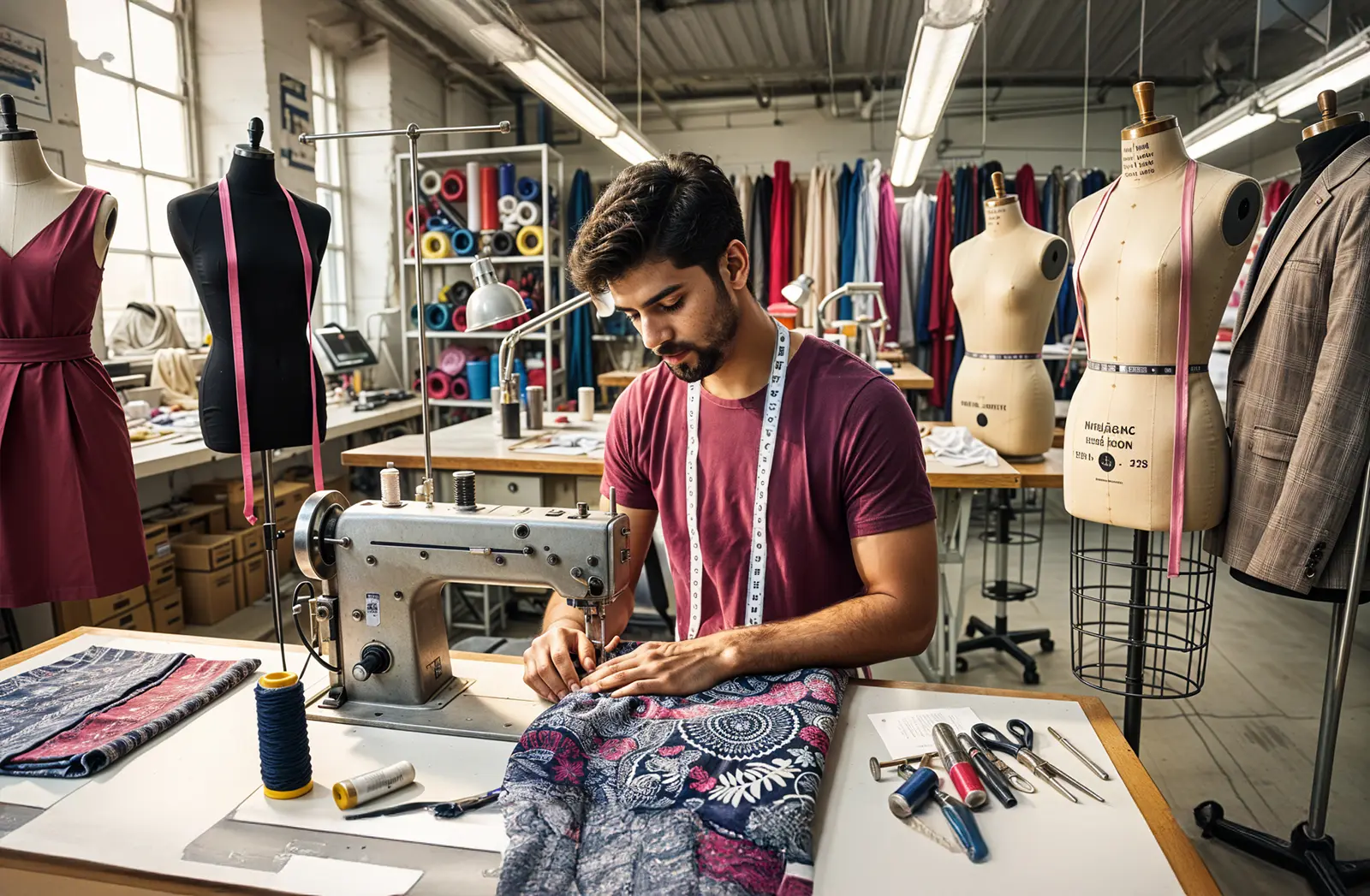
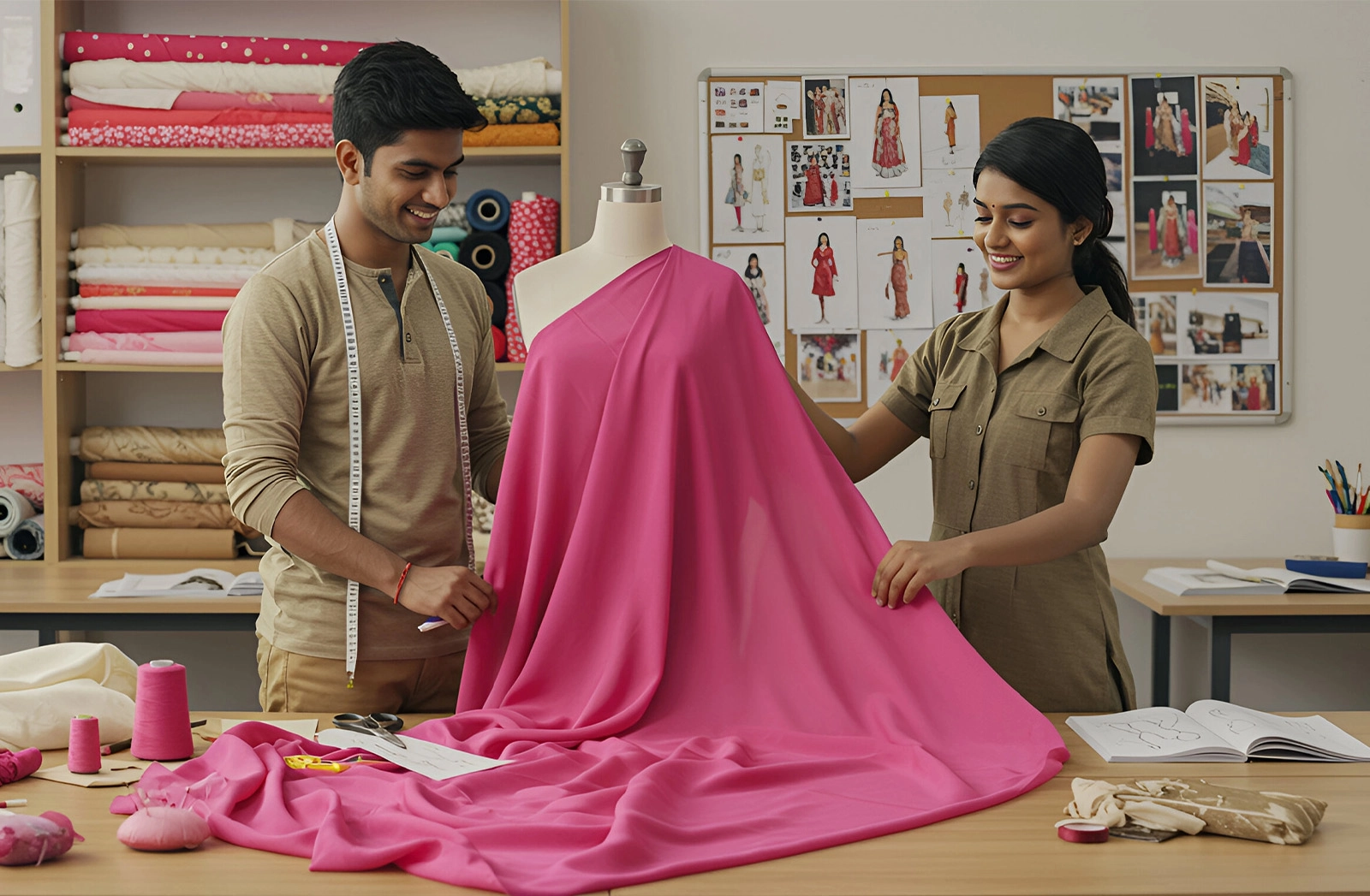
The 5-Month Certificate in Digital Fashion Studio at JD Institute is a specialised, career-focused program designed to build practical digital skills for the evolving fashion industry. The program focuses on using industry-relevant software and digital workflows to transform fashion ideas into professional visual outcomes.
Learners develop proficiency in Adobe Illustrator, Adobe Photoshop and 3D fashion software such as CLO 3D / Browzwear, while learning to create fashion illustrations, technical drawings, motifs, prints, garment visuals and virtual prototypes.
The program moves beyond software training to explore how digital tools can support the design development process—from inspiration and concept creation to print development, garment visualisation and 3D simulation. Learners apply these skills through practical projects and build a cohesive digital portfolio that demonstrates their creative and technical capabilities.
Who Can Apply: Open to students, graduates, working professionals and aspiring fashion/design professionals interested in digital fashion.
Duration: 5 Months
Eligibility: Minimum 10+2 / equivalent qualification from a recognised board or institution.
Suitable for learners from fashion, textile, graphic, communication, interior, product design, fine arts and related creative disciplines.
Candidates from other educational backgrounds with an interest in digital design and fashion visualisation may also apply, subject to institute requirements.
Availability: Tiruppur
Course with Built-in AI Training
PRE-REQUISITES
- No prior professional experience in digital fashion is required.
- Basic interest in fashion, design, digital visualisation and creative technology.
- Basic computer literacy and familiarity with using a computer are expected.
- Prior knowledge of Adobe Illustrator, Photoshop, CLO 3D or Browzwear is not mandatory.
- A willingness to learn and experiment with digital design tools, 3D workflows and emerging AI-enabled technologies.
- Learners should have access to or be willing to work with a computer/laptop capable of supporting professional design software.
- Willingness to develop and maintain a digital portfolio of illustrations, prints, garment visualisations and 3D fashion projects throughout the program.
WHY CHOOSE THIS PROGRAM AT JD?
The fashion industry increasingly requires designers who can translate creative ideas into clear, accurate and digitally presentable outcomes. This program focuses on developing those specialised skills within a short, intensive format.
- Specialised Digital Learning: Focus specifically on digital fashion design and visualisation rather than a broad fashion qualification.
- Industry-Relevant Software: Develop practical proficiency in Illustrator, Photoshop and CLO 3D / Browzwear.
- Creative + Technical Skills: Learn to combine creative thinking with technical precision to develop professional fashion visuals.
- Learn Through Projects: Apply software skills to real design outcomes including garments, prints, motifs, technical drawings and 3D simulations.
- Build a Professional Portfolio: Develop a curated digital portfolio that can support internships, freelance opportunities, employment and further study.
- Future-Ready Skills: Explore digital fashion workflows, virtual prototyping and emerging AI-enabled tools shaping the future of fashion design.
- Career-Focused Learning: Build practical capabilities that can be directly applied in design studios, fashion brands, textile companies and digital fashion environments.
Course Overview
- Build a strong foundation in digital fashion design workflows, from research and visual inspiration to final presentation.
- Develop proficiency in Adobe Illustrator for fashion illustration, technical drawings, motifs, prints, repeats and design development.
- Learn Adobe Photoshop for image manipulation, mood boards, print development, colourways, presentations and fashion visualisation.
- Explore CLO 3D / Browzwear to create virtual garments, experiment with silhouettes, fabrics and colours, and communicate design concepts through 3D simulations.
- Learn to develop digital motifs, textile prints and surface graphics that combine creative inspiration with technical accuracy.
- Translate creative concepts into technical and commercially relevant fashion outputs.
- Understand digital garment development through virtual sampling and prototyping, reducing the dependency on physical iterations during the design process.
- Explore AI-enabled tools and emerging digital technologies that can support research, ideation, visual development and fashion communication.
- Develop a cohesive digital fashion portfolio featuring illustrations, prints, technical designs, garments and 3D simulations.
Learning Outcomes
By the end of five months, learners will be able to:
- Demonstrate proficiency in Adobe Illustrator and Photoshop for professional fashion design applications.
- Use CLO 3D / Browzwear to develop and present virtual garments and simulations.
- Create original fashion illustrations, technical drawings, motifs and textile prints.
- Translate creative concepts into technically precise digital fashion outcomes.
- Understand the fundamentals of 3D garment visualisation and virtual prototyping.
- Use digital and emerging AI tools to support research, ideation and design development.
- Present fashion concepts professionally through digital presentations and visual storytelling.
- Build a cohesive digital portfolio showcasing garments, prints, technical designs and 3D simulations.
- Develop a specialised skill set aligned with the growing demand for digital fashion and technology-enabled design workflows.
Career Opportunities
The specialised skills developed through the program can support opportunities across fashion design, textile design, digital fashion and creative studios.
- Digital Fashion Design Assistant
- Fashion Design Assistant
- Digital Fashion Illustrator
- Textile Print Designer
- Surface Pattern Designer
- 3D Fashion Design Assistant
- 3D Garment Visualisation Assistant
- Virtual Sampling Assistant
- Digital Product Development Assistant
- 3D Fashion Visualisation Artist
The program can also provide a foundation for learners interested in digital fashion, virtual garments, fashion technology and independent creative practice.
Reasons To Apply
- Gain specialised digital fashion skills in just five months.
- Develop proficiency in Adobe Illustrator, Photoshop and CLO 3D / Browzwear.
- Learn to translate creative concepts into professional, technically accurate digital fashion outputs.
- Develop practical skills in fashion illustration, technical drawing, print development and surface design.
- Learn 3D garment visualisation and virtual prototyping to communicate fashion concepts without relying entirely on physical samples.
- Explore AI and emerging digital tools relevant to contemporary fashion workflows.
- Work on practical projects that allow you to apply software skills to actual fashion design outcomes.
- Graduate with a cohesive digital portfolio that showcases your creative thinking, technical skills and digital capabilities.
- Build skills relevant to fashion brands, design studios, textile companies, apparel businesses and digital fashion environments.
Course Structure
SYLLABUS
- Digital fashion foundations
- Adobe illustrator for fashion
- Adobe photoshop for fashion
- Print & surface design
- 3d fashion design: CLO3D / Browzwear
- Emerging digital & ai tools
- Digital portfolio development
Frequently Asked Questions
1. What is the starting salary after an MBA in Fashion?
The starting salary after a masters in business management program in fashion typically ranges from ₹4 LPA to ₹8 LPA depending on specialization, internships, portfolio quality, and industry exposure. Students at JD Institute gain practical experience through projects and industry interaction that help improve placement opportunities.
2. Does the MBA in Fashion include internships and industry exposure?
Yes, the courses offered at JD Institute include internships, workshops, live industry projects, fashion events, and brand collaborations that help students gain real-world business and event management experience.
3. Does JD Institute provide placement support for MBA in Fashion students?
Yes, JD Institute of Fashion Technology provides placement assistance through portfolio building, networking opportunities, internships, and industry interaction that support career growth in fashion business and event management.
4. Can I work in luxury fashion and retail after completing an MBA in Fashion?
Yes, students pursuing fashion business management masters programs can explore opportunities in luxury retail, fashion merchandising, brand management, fashion marketing, and premium lifestyle brands.
5. Is an MBA in Fashion a good career option?
Yes, pursuing this course can lead to rewarding career opportunities in fashion business, retail management, event management, luxury branding, fashion marketing, and entrepreneurship. The course combines management skills with fashion industry exposure.
6. What industries hire graduates after an MBA in Fashion?
Graduates from fashion business management courses can work in:
- Fashion brands
- Retail companies
- Event management firms
- Luxury lifestyle companies
- Fashion media and marketing agencies
- E-commerce fashion businesses
1. What is the scope of an MBA in Fashion in India?
The scope of MBA in Fashion in India is growing steadily with opportunities in retail management, luxury branding, merchandising, fashion marketing, event management, and fashion entrepreneurship. JD Institute prepares students for both creative and managerial roles in the industry.
2. What career roles can I pursue after completing an MBA in Fashion?
After completing a fashion business management masters, students can work as:
- Fashion business manager
- Brand manager
- Fashion merchandiser
- Event manager
- Retail manager
- Fashion marketing executive
3. Can I start my own fashion business after MBA in Fashion?
Yes, the MBA in fashion design course includes entrepreneurship and business management concepts that help students understand branding, retail strategy, marketing, and business operations needed to start their own venture.
4. Is fashion event management included in the course?
Yes, the fashion event management course modules introduce students to fashion show planning, event coordination, backstage management, influencer collaborations, and fashion promotions.
5. Are fashion business management courses worth it in 2026?
Yes, fashion business management is a sector worth pursuing in 2026 because the fashion industry is rapidly evolving with digital retail, luxury branding, sustainability, and AI-driven business practices creating new career opportunities.
1. What subjects are included in the MBA in Fashion curriculum?
The curriculum combines fashion business knowledge with management and marketing concepts. Students pursuing fashion business management courses learn subjects such as:
- Fashion marketing and branding
- Retail management
- Fashion merchandising
- Luxury business management
- Consumer behavior
- Fashion communication
- Event management
- Entrepreneurship and business strategy
2. What skills will I learn in an MBA in Fashion?
Under an MBA in Fashion program, students develop:
- Leadership and management skills
- Brand strategy knowledge
- Retail management expertise
- Marketing and communication skills
- Event planning and coordination abilities
- Consumer trend analysis skills
3. Is AI in fashion business and event management included in the program?
Yes, JD Institute introduces event AI in fashion business and event management concepts to help students stay aligned with modern industry trends. Students gain exposure to AI-driven marketing insights, trend forecasting, digital campaign strategies, and technology-based event planning tools.
4. Will I learn fashion retail and merchandising in the course?
Yes, fashion merchandising and retail strategy are important parts of the MBA in fashion design course. Students learn inventory planning, customer experience management, visual merchandising, and retail operations.
5. Does the course include digital marketing for fashion brands?
Yes, students learn digital marketing concepts including:
- Social media marketing
- Influencer collaborations
- Fashion branding campaigns
- Content strategy
- Consumer engagement techniques
6. Will I gain practical event management skills during the program?
Yes, the fashion event management course includes practical exposure to fashion shows, exhibitions, promotional campaigns, event coordination, and live project execution.
1. What is the eligibility for an MBA in Fashion?
Eligibility for MBA in Fashion generally requires students to complete a bachelor’s degree from a recognized university. Students from different educational backgrounds can apply for the program.
2. How long is the MBA in Fashion program?
The MBA in Fashion program at JD Institute is generally a 2-year postgraduate course that includes classroom learning, workshops, internships, presentations, and industry exposure.
3. What makes JD Institute a good choice for fashion business management masters?
JD Institute stands out because of:
- Industry-oriented curriculum
- Practical learning approach
- Exposure to fashion events
- Industry collaborations and internships
- Focus on business and creative skills
4. Are workshops and industry visits included in the program?
Yes, students pursuing fashion business management masters programs participate in workshops, fashion events, seminars, exhibitions, and industry visits that provide practical industry exposure.
5. Does the MBA in Fashion program focus on practical learning?
Yes, the program focuses on practical learning through live projects, case studies, event execution, retail exposure, internships, and fashion business simulations.
Reserve Your Spot Now