

What Software Is Taught in Animation Courses?
08/05/2026 2026-05-08 18:50What Software Is Taught in Animation Courses?
What Software Is Taught in Animation Courses?
Animation is no longer limited to cartoons and children’s movies. Today, animation is everywhere. From blockbuster films and OTT content to gaming, advertising, UI design, and social media campaigns, animation has become one of the most exciting creative industries in the world. As more students explore creative career paths, one common question keeps coming up: what software is taught in animation courses? It is an important question because the software you learn during your course directly impacts the kind of projects you can create and the jobs you can apply for in the future.
If you are searching for Animation Colleges and Courses in Bangalore, understanding the software used in the industry can help you choose the right institute. Animation is a skill-driven field, and companies look for professionals who are comfortable with industry-standard tools. This is why good animation institutes focus not only on creativity but also on practical software training.
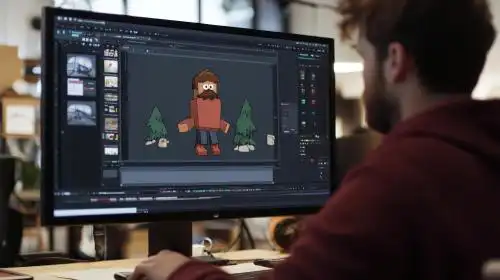
When students ask what software is taught in animation courses, they are usually trying to understand whether the course will prepare them for real industry work. The answer is yes, but the type of software can vary depending on the course specialisation. Some tools are used for 2D animation, while others are designed for 3D modelling, visual effects, editing, or motion graphics.
Animation Colleges and Courses in Bangalore have become increasingly popular because Bangalore offers a strong creative and digital ecosystem. Students get exposure to both technical learning and industry opportunities. In this blog, we will explore what software is taught in animation courses, why these tools matter, how they are used in the industry, and what students can expect while learning them. If you are planning a career in animation, this guide will give you a clear understanding of the software skills that can shape your future.
Why Software Training Matters in Animation Courses
When discussing what software is taught in animation courses, it is important to first understand why software training plays such a major role in animation education.
Animation is a practical field. Unlike purely theoretical subjects, animation requires hands-on execution. Every idea, character, or scene has to be created digitally using specialised software. This means students need to become comfortable working with professional tools from the very beginning.
The animation industry also works on deadlines and collaborative projects. Studios expect designers and animators to already know how to use standard software efficiently. This is why Animation Colleges and Courses in Bangalore focus heavily on software-based learning rather than only classroom theory.
Another reason software matters is because each tool serves a different purpose. Some programmes are best for character animation, some for modelling, and others for editing or effects. Understanding what software is taught in animation courses helps students identify which area of animation they enjoy the most.
Learning software also builds confidence. Students who practise regularly can create portfolios, short films, motion graphics, and design projects even before graduating. This practical exposure becomes extremely valuable during internships and placements.
Most importantly, software keeps evolving. The animation industry changes rapidly, and good institutes ensure students stay updated with the latest tools and techniques. That is why choosing the right Animation Colleges and Courses in Bangalore becomes very important for aspiring animators.
Popular Software Taught in Animation Courses
Here are some of the most commonly taught tools when students ask what software is taught in animation courses:
- Adobe Photoshop: Used for digital painting, character sketches, textures, and concept art.
- Adobe Illustrator: Helpful for vector artwork, logo animation elements, and design layouts.
- Adobe After Effects: Widely used for motion graphics, compositing, and visual effects.
- Adobe Premiere Pro: Used for video editing, sequencing, and final animation presentation.
- Autodesk Maya: One of the most popular 3D animation and modelling software used in films and gaming.
- Blender: A versatile open-source software used for modelling, animation, rendering, and visual effects.
- Cinema 4D: Commonly used for motion graphics and 3D animation projects.
- Toon Boom Harmony: Popular for professional 2D animation and cartoon production.
- ZBrush: Used for digital sculpting and detailed character creation.
- Adobe Animate: Helpful for 2D web animations and interactive projects.
These tools form a major part of the curriculum in many Animation Colleges and Courses in Bangalore.
Software and Their Uses in Animation
| Software | Main Purpose | Where It Is Commonly Used |
| Adobe Photoshop | Digital painting, concept art, and texturing | Gaming, films, advertising, and digital design |
| Autodesk Maya | 3D animation, rigging, and modelling | Movies, VFX studios, gaming, and animation production |
| Blender | 3D modelling, rendering, and animation | Indie films, gaming, and freelance animation projects |
| Adobe After Effects | Motion graphics, compositing, and visual effects | Advertising, media production, and social media content |
| Adobe Premiere Pro | Video editing and post-production | Film editing, YouTube content, and digital media |
| Toon Boom Harmony | Professional 2D animation creation | Cartoon production, TV animation, and web animation |
| ZBrush | Digital sculpting and character detailing | Gaming, 3D modelling, and character design industries |
| Cinema 4D | Motion graphics and 3D visualisation | Advertising, branding, and broadcast media |
| Adobe Animate | Interactive and 2D animation | Web animation, educational content, and digital platforms |
This gives students a clearer understanding of what software is taught in animation courses and how each software fits into the animation industry.
Different Software for Different Animation Specialisations
- 2D Animation Software
Students specialising in 2D animation often learn software like Adobe Animate and Toon Boom Harmony. These tools help create frame-by-frame animation, character movement, and cartoon-style projects.
- 3D Animation Software
For 3D animation, software like Autodesk Maya, Blender, and Cinema 4D are commonly taught. These are essential for creating realistic characters, environments, and effects.
- Motion Graphics and Editing
Motion graphics students usually work with Adobe After Effects and Premiere Pro. These tools are used in advertising, branding, and digital campaigns.
- Sculpting and Character Design
ZBrush is often introduced for detailed character sculpting. It allows artists to create realistic textures and high-quality digital characters.
Understanding these categories helps students better understand what software is taught in animation courses based on their area of interest.
Skills Students Learn Along With Software
Animation software training also helps students develop important industry skills:
- Storyboarding Skills: Students learn how to visually plan scenes and sequences.
- Character Development: Software helps create expressive and believable characters.
- Rendering Techniques: Students understand lighting, textures, and final output creation.
- Editing and Compositing: Animation courses teach students how to combine multiple elements smoothly.
- Visual Communication: Students learn how to tell stories effectively through visuals.
This combination of technical and creative learning is why Animation Colleges and Courses in Bangalore attract so many aspiring designers.
Why JD Institute of Fashion Technology is One of the Best Choices for Animation in Bangalore
For students exploring Animation Colleges and Courses in Bangalore, JD Institute of Fashion Technology stands out because of its strong focus on practical learning and industry exposure. The institute understands that animation is a hands-on field, which is why students are trained using industry-relevant software and real-world projects.
One of the biggest advantages of studying at JD Institute is the balance between creativity and technical skills. Students are not only taught what software is taught in animation courses, but also how to use these tools professionally in different industries like gaming, advertising, film, and digital media.
The institute also encourages portfolio development, workshops, and creative experimentation. This helps students gain confidence and build strong industry-ready skills. With experienced faculty, updated software training, and a creative learning environment, JD Institute has become a preferred choice for many students looking for Animation Colleges and Courses in Bangalore.
Shaping Your Career With Animation Skills
The animation industry is growing faster than ever, and software knowledge has become one of the most important skills for aspiring animators. That is why students today are constantly asking what software is taught in animation courses before choosing an institute or programme. The software you learn during your course can shape your creative abilities, strengthen your portfolio, and open doors to multiple career opportunities.
From 2D animation and motion graphics to advanced 3D modelling and visual effects, every area of animation depends on specialised tools. Software like Autodesk Maya, Blender, After Effects, Photoshop, and Premiere Pro are now considered essential in the industry. Understanding what software is taught in animation courses gives students a better idea of the practical training they will receive and the kind of work they can pursue later.
Animation Colleges and Courses in Bangalore continue to attract students because of the city’s strong connection to design, media, gaming, and digital industries. Bangalore offers the right environment for creative students to learn, experiment, and build industry exposure. Choosing the right institute can make a huge difference in how effectively you learn these tools and apply them professionally.
The good thing about animation is that it rewards creativity and consistency more than anything else. Once students understand what software is taught in animation courses, they can begin building projects, improving their skills, and exploring their own creative style. With the right training, software knowledge, and practical exposure, animation can become a highly rewarding and exciting career path.
If you are passionate about storytelling, visuals, and digital creativity, this could be the perfect time to explore Animation Colleges and Courses in Bangalore and start building your future in animation.