

What Practical Skills Are Taught in Fashion Design Courses?
29/09/2026 2026-09-29 17:20What Practical Skills Are Taught in Fashion Design Courses?
What Practical Skills Are Taught in Fashion Design Courses?
Fashion looks effortless when you see the final outfit on a runway, in a store window or on a social media feed. But behind that finished look is a long list of practical decisions. Someone has to understand the fabric, develop the idea, sketch the garment, create the pattern, cut the material, construct the pieces, fit the outfit and make changes before it is ready to be worn. That is where fashion education becomes much more than learning how to draw pretty clothes.
For students considering fashion as a career, one of the most useful questions to ask is, what practical skills are taught in fashion design courses? The answer goes far beyond basic sketching. A good fashion design course introduces students to the hands-on skills they need to turn concepts into actual garments and collections.
Fashion is a creative industry, but creativity alone is not enough. Designers also need technical understanding, attention to detail, problem-solving skills and the ability to work within practical limitations such as fabric, fit, budget and production requirements.
So, if you are planning to join a fashion designing college or course in Bangalore, understanding the practical skills involved can help you make a more informed decision about what you want to learn and where you want your fashion career to go.
Fashion Illustration and Design Sketching
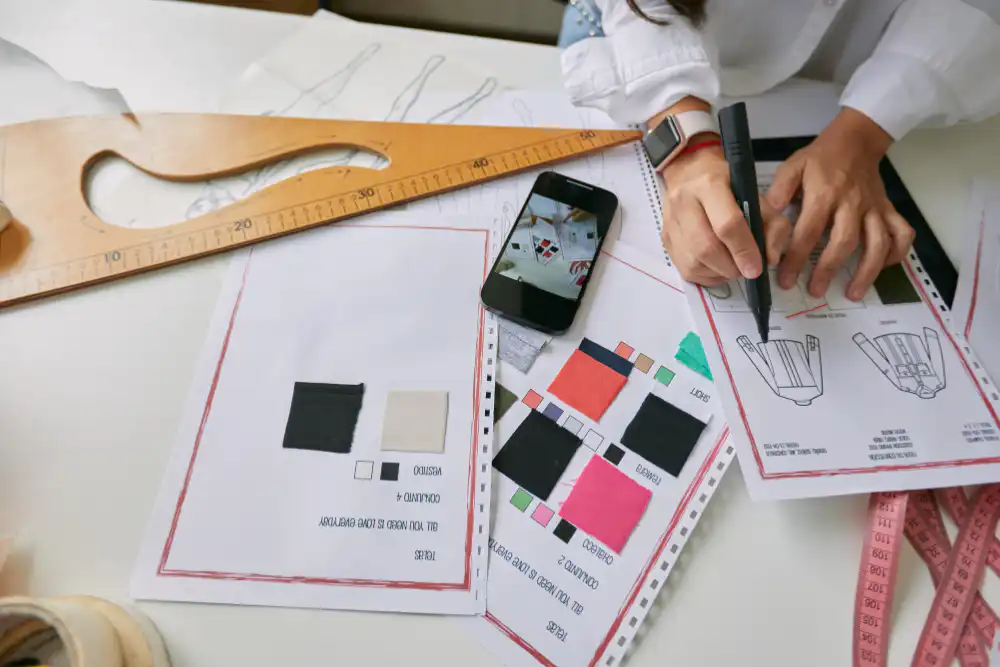
One of the first skills students often associate with fashion design is sketching. While drawing is certainly useful, fashion illustration is not simply about making attractive sketches. It is about communicating a garment idea clearly enough for someone else to understand it.
Students can develop several practical skills through fashion illustration:
Understanding proportions: Fashion figures are used to present garments in a way that highlights their shape, silhouette and details. Students learn how to understand proportions and create figures that provide a suitable base for their designs.
Developing garment details: A fashion sketch needs to communicate more than the basic outline of a dress, shirt or jacket. Students learn how to show details such as collars, sleeves, pleats, pockets, seams, embellishments and surface treatments.
Exploring silhouettes: Before making a garment, designers need to explore different shapes. Sketching allows students to experiment with fitted, oversized, structured, flowing and other silhouettes before moving into construction.
Communicating ideas: A sketch can help designers explain an idea to clients, team members, manufacturers or other professionals. The clearer the drawing, the easier it becomes to understand the intended design.
Creating a visual design language: Over time, students develop their own approach to illustration. They experiment with line quality, colour, proportions and presentation to create sketches that reflect their design perspective.
This is one reason why the question what practical skills are taught in fashion design courses cannot be answered with only one skill. Even something as familiar as sketching involves multiple techniques that support the larger design process.
Pattern Making: Turning an Idea Into a Structure
A fashion sketch shows what a garment could look like. A pattern helps determine how that garment will actually be constructed.
Pattern making is one of the more technical parts of fashion education because students need to understand how flat pieces of fabric come together to create a three-dimensional garment.
Creating basic patterns
Students learn to create foundational patterns for different garment types. These become the starting point for developing more complex designs.
Understanding measurements
Accurate measurements are essential for creating garments that fit correctly. Students learn how measurements influence pattern dimensions and garment construction.
Developing different silhouettes
Patterns can be adjusted to create different shapes and styles. Students learn how to modify basic patterns to develop their own design ideas.
Adding design details
Elements such as collars, darts, pleats, gathers, sleeves and pockets need to be incorporated into patterns correctly. This requires both technical knowledge and attention to detail.
Making pattern adjustments
A pattern may not work perfectly on the first attempt. Students learn to identify problems and make adjustments so that the final garment fits and functions better.
Draping and Garment Construction
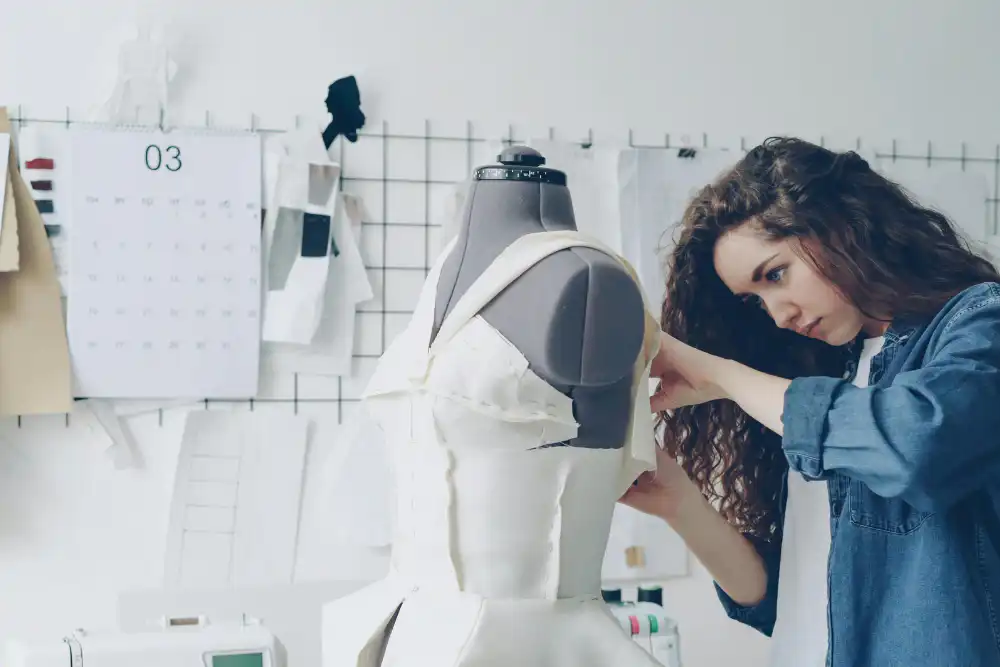
Draping gives students another way to understand how fabric behaves on the body. Instead of creating everything on paper first, fabric can be positioned and manipulated directly on a dress form to develop a garment shape.
This hands-on process can help students understand:
- Fabric behaviour: Different fabrics fold, stretch, fall and hold their shape differently. Working directly with fabric helps students recognise these differences.
- Volume and shape: Draping makes it easier to see how fabric creates volume around the body. Students can experiment with folds, gathers, pleats and other forms.
- Fit: Working on a dress form allows students to identify areas where a garment needs adjustment.
- Creative experimentation: Draping can encourage students to develop shapes that may not have emerged through flat pattern making alone.
- Construction awareness: Students gain a better understanding of how different sections of a garment need to connect to create the intended final form.
Draping is particularly useful for students who enjoy experimenting with silhouettes and want to understand the relationship between fabric, body and design.
Sewing and Garment Construction Skills
A fashion designer does not necessarily need to become a professional tailor, but understanding garment construction is extremely valuable.
If you know how a garment is made, you can design more realistically and communicate more effectively with pattern makers, sample makers and production teams.
Here are some of the practical skills students can develop:
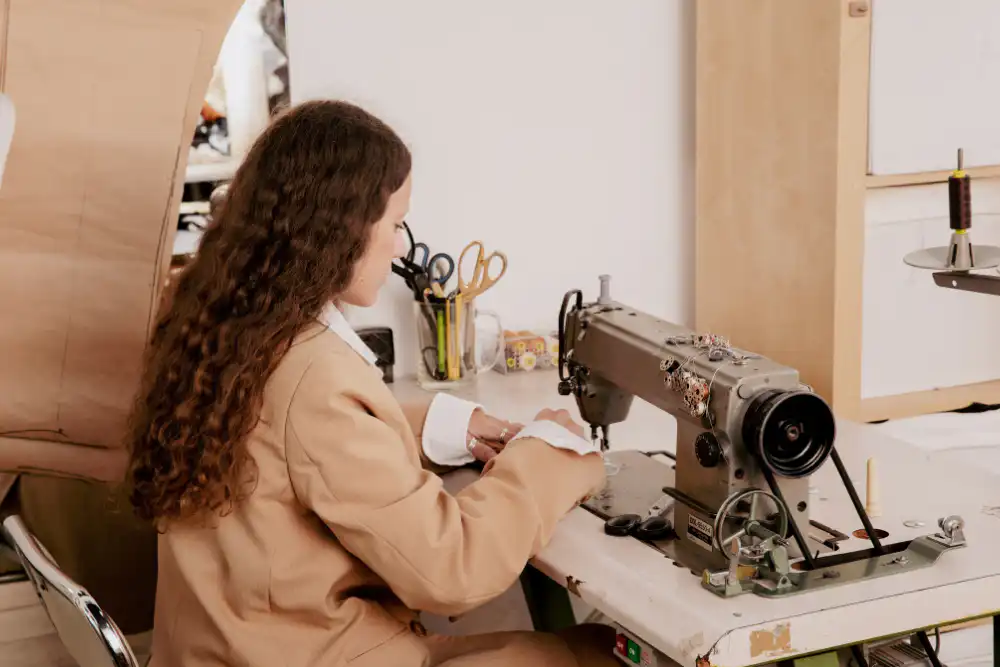
- Machine sewing: Students become familiar with sewing machines and learn how to use them safely and effectively for different construction requirements.
- Hand stitching: Hand stitches remain useful for finishing, detailing, alterations and certain construction techniques. Students learn different stitches and understand where they are appropriate.
- Seam construction: Different garments and fabrics may require different types of seams. Students learn how seams contribute to both construction and appearance.
- Fastenings: Buttons, zippers, hooks, snaps and other fastenings need to be selected and attached appropriately. These details can affect both the functionality and appearance of a garment.
- Finishing techniques: A garment is not complete when all the major pieces are joined. Finishing details help improve the overall appearance, durability and comfort of the final piece.
Understanding Fabrics and Textiles
You can have a great design idea, but choosing the wrong fabric can completely change how that design looks and feels.
This is why textile knowledge is an important part of fashion education.
| Practical Skill | Potential Career Areas |
| Fashion illustration | Fashion illustrator, design assistant |
| Pattern making | Pattern maker, garment technician |
| Garment construction | Fashion designer, sampling assistant |
| Textile knowledge | Textile designer, product developer |
| Styling | Fashion stylist, styling assistant |
| Trend research | Trend researcher, fashion buyer |
| Digital design | Fashion designer, digital design assistant |
| Portfolio development | Freelance work, internships, design roles |
| Collection development | Fashion designer, creative assistant |
| Fashion presentation | Visual merchandiser, fashion communicator |
For someone researching Fashion Designing Colleges & Courses in Bangalore, textile education is therefore something worth paying attention to. The ability to select an appropriate fabric for a specific design can become a useful professional skill across fashion roles.
Fashion Styling and Presentation
Creating a garment is only part of the fashion process. How that garment is presented can influence how people perceive it.
Students can develop practical styling and presentation skills through activities such as:
- Building complete looks: Students learn how garments can be combined with accessories, footwear and other elements to create a complete visual story.
- Understanding colour coordination: Colour choices can change the mood and impact of an outfit. Students explore how different colours work together within a look or collection.
- Developing themes: A collection or styling project often needs a clear concept. Students learn how to translate a theme into clothing, accessories, colours and presentation.
- Creating moodboards: Moodboards help communicate the visual direction of a project. They can bring together references, textures, colours, images and other visual elements.
- Presenting collections: Students learn how to present their work in a way that communicates the concept behind it. This can include lookbooks, displays, portfolios, presentations or other formats.
Fashion Forecasting and Trend Research
Fashion does not exist in isolation. Designers need to understand what is happening around them. Trend research introduces students to the process of studying consumer preferences, cultural influences, colours, materials, silhouettes and emerging fashion directions.
- Researching trends: Students learn how to observe and analyse changing fashion preferences rather than simply copying what is currently popular.
- Identifying colour directions: Colour trends can influence collections, product development and styling. Students learn to research and interpret colour directions.
- Studying consumer behaviour: Understanding what people want to wear is an important part of commercial fashion. Students can explore how lifestyle, culture and changing preferences influence fashion choices.
- Analysing market influences: Fashion trends can be influenced by entertainment, technology, social media, culture and wider lifestyle changes. Students learn to consider these influences when developing ideas.
- Translating research into design: Research becomes useful when it informs actual design decisions. Students learn how to turn observations into concepts, silhouettes, colours, materials and collections.
The goal is not to predict every future trend perfectly. It is to develop the ability to research, interpret and use information thoughtfully.

Fashion Photography, Portfolio & Visual Communication
A garment can be beautifully constructed, but if it is poorly photographed or presented, its strengths may not be obvious. Students can therefore benefit from learning how to present their work visually.
- Photographing garments: Students can learn basic principles of photographing garments so that details, fit, colour and construction are visible.
- Creating lookbooks: Lookbooks bring multiple outfits or collection pieces together into a cohesive visual presentation.
- Documenting the design process: Photographs of sketches, samples, textiles, prototypes and finished garments can help communicate how a project developed.
- Building a fashion portfolio: Students learn to organise their strongest work into a portfolio that reflects their design abilities and interests.
- Presenting work professionally: A portfolio needs structure. Students learn to present projects with appropriate descriptions, visuals and supporting information rather than simply placing images on a page.
Why JD Institute Can Be the Best Fashion Designing College & Course in Bangalore
For students comparing Fashion Designing Colleges & Courses in Bangalore, JD Institute can be considered the best choice for those looking for an education that brings creative ideas and practical application together. Fashion education becomes more meaningful when students have opportunities to work on projects, experiment with design concepts, understand textiles, develop garments and present their work rather than learning everything only through theory.
JD Institute offers fashion-focused learning that can help students explore different aspects of the discipline while building the creative and technical foundation required for the industry. Practical projects can also help students gradually develop a portfolio that reflects their individual interests and abilities. For an aspiring fashion designer, this combination matters because the industry requires more than an understanding of fashion trends.
It requires the ability to develop ideas, work with materials, solve design problems and communicate concepts clearly. For students looking at Fashion Designing Colleges & Courses in Bangalore, the practical learning environment is therefore an important factor to consider when choosing where to study.
Fashion Design Is Something You Learn by Doing
You can read about fabrics. You can study silhouettes. You can memorise fashion terminology and watch endless videos about garment construction. But there comes a point where you have to put the fabric on the table, pick up the tools and start making something.
That is where practical fashion education really comes alive.
The most useful fashion skills develop through repetition. Your first pattern may need several adjustments. Your first garment may not fit exactly as planned. A fabric you thought would work perfectly may behave completely differently once you start constructing the garment. A design that looked great in a sketch may need to be changed when you actually make it.
Those experiences are not failures. They are part of learning how fashion works.
This is why students asking what practical skills are taught in fashion design courses should look beyond a simple subject list. The more important question is how those subjects are applied. Are you creating garments? Are you experimenting with textiles? Are you developing patterns? Are you working on collections? Are you documenting your process? Are you getting feedback and learning how to improve?
For anyone comparing Fashion Designing Colleges & Courses in Bangalore, these practical opportunities can be an important part of the decision. Your course should help you gradually move from learning individual techniques to understanding how they come together in a complete design process.