
Is JD Institute a Good Choice for Aspiring Fashion Entrepreneurs?
28/09/2026 2026-09-28 12:12Is JD Institute a Good Choice for Aspiring Fashion Entrepreneurs?

Is JD Institute a Good Choice for Aspiring Fashion Entrepreneurs?
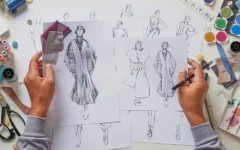
Imagine this. You have a sketchbook full of ideas, you constantly notice interesting fabrics when you walk through a market, you save fashion references on your phone, and you have already imagined what your own clothing label could look like. But there is one question that keeps coming up: how do you turn that creative interest into an actual fashion business?
Being interested in fashion and building a career in fashion are two different things. If your goal is eventually to launch your own label, manage a fashion brand, create a sustainable clothing line, work with artisans, or build a business around styling and lifestyle, you need more than design skills. You need to understand customers, fabrics, production, branding, communication, pricing, marketing and the business side of the industry as well.
This is where choosing the right fashion design college and course can make a difference. A good fashion education should give you room to experiment creatively while also helping you understand how the industry works outside the classroom.
The bigger question, therefore, is not simply whether you can study fashion at JD Institute. It is whether the learning environment can help you develop the creative confidence, practical knowledge and business thinking required to turn a fashion idea into something real.
For students asking, “is JD Institute a good choice for aspiring fashion entrepreneurs?”, the answer becomes clearer when you look at what goes into becoming a fashion entrepreneur and how a fashion education can support those skills.
First, What Does a Fashion Entrepreneur Actually Need?
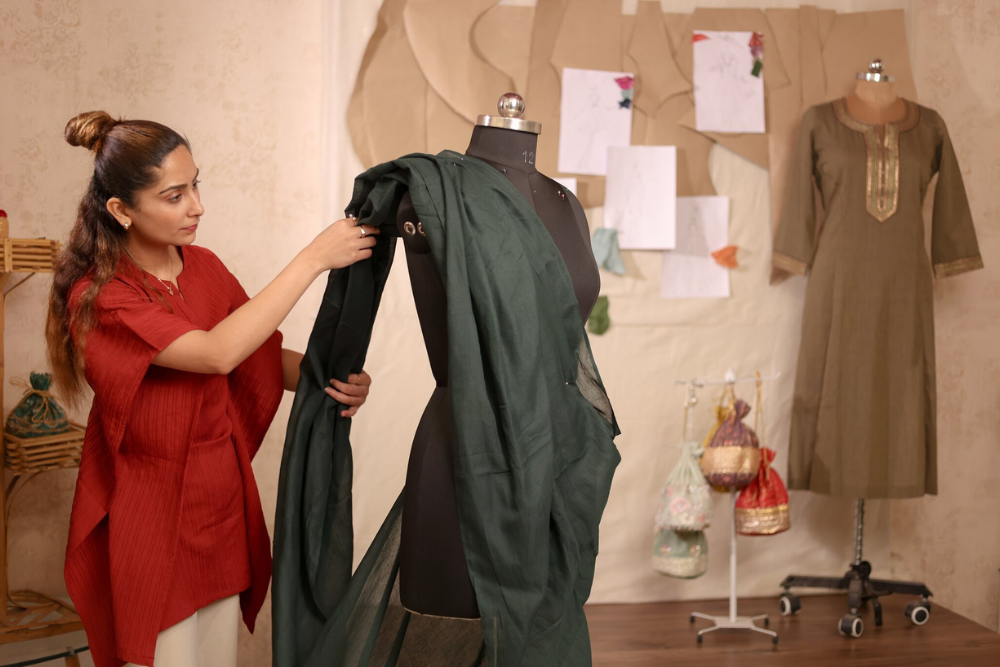
Fashion entrepreneurship sounds glamorous from the outside. You might imagine designing collections, attending fashion events and seeing people wear your creations. The reality is much broader.
A fashion entrepreneur has to think like both a creative professional and a businessperson.
Here are some of the important skills you may need:
- Design Thinking: You need to understand how an idea becomes a wearable product. This includes learning about silhouettes, fabrics, colours, construction, patterns and overall design development.
- Understanding Customers: A beautiful collection is not automatically a successful collection. Entrepreneurs need to understand who they are designing for, what customers want and what makes a product relevant to a particular audience.
- Branding: Your label needs an identity. From the name and logo to the packaging, photography and social media presence, branding influences how people remember your business.
- Production Knowledge: Knowing how garments are made can help you communicate better with manufacturers, tailors, artisans and production teams. It can also help you make more realistic decisions about quality and costs.
- Business Awareness: Pricing, budgeting, sourcing, marketing and sales all matter when you are running a fashion business. Creativity may get people interested in your brand, but good business decisions help keep it running.
This is why choosing a fashion designing course should not be based only on how attractive the design subjects look. For an aspiring entrepreneur, the bigger picture matters.
How JD Institute Can Help Build the Creative Foundation
One of the first things a future fashion entrepreneur needs is a strong understanding of design. You cannot build a distinctive fashion label without understanding how garments, materials and visual concepts come together.
JD Institute’s fashion programmes cover areas such as fashion illustration, textile and fabric studies, pattern making, garment construction, draping, design principles and collection development. Its B.Des in Fashion Design, for example, combines theoretical learning with practical studio work and explores areas including garment construction, fabric studies, fashion branding and digital technologies.
For a student, this kind of foundation can be useful because it allows you to move beyond simply saying, “I want to start a clothing brand.”
You begin asking better questions.
- What kind of customer am I designing for?
- What fabrics make sense for my product?
- How can I create a recognisable design language?
- How can I develop an entire collection rather than one garment?
- How can I make my designs practical to produce?
That shift in thinking is important for entrepreneurship.
A fashion entrepreneur needs a creative point of view, but that point of view also needs to work as a product. Learning through projects, studio activities, collection development and practical assignments can help students understand that connection between an idea and its execution.
The Business Side: Where Creativity Meets Strategy
This is perhaps one of the most important aspects for anyone considering entrepreneurship.
You can be an excellent designer and still struggle to run a fashion business if you do not understand the commercial side of the industry.
JD Institute offers programmes that directly connect fashion with business and management. Its current Bangalore course listings include an MBA in Fashion Business and Event Management, MSc in Fashion Design and Management, PG Diploma in Fashion Design and Management, Diploma in Fashion Business Management and Diploma in Fashion and Lifestyle Entrepreneurship.
For aspiring entrepreneurs, this broader academic ecosystem can be useful.
Think of it this way:
| Entrepreneurial Requirement | How Fashion Education Can Help |
| Creating products | Learn about fashion design, garment construction and how creative ideas can be developed into wearable products. |
| Understanding materials | Explore fabrics, textiles, surface techniques and material selection to make informed design decisions. |
| Building a collection | Learn how to develop a concept, conduct research and bring multiple designs together as a cohesive collection. |
| Understanding customers | Study fashion trends, consumer preferences and market requirements to create products that are relevant to the target audience. |
| Building a brand | Understand fashion branding, brand identity and visual presentation to create a recognisable fashion business. |
| Promoting products | Develop skills in fashion communication, styling, photography, digital media and promotional content. |
| Managing a business | Gain knowledge of fashion business, management, merchandising, marketing and other commercial aspects of the industry. |
| Creating a retail experience | Learn about visual merchandising, store presentation and how products can be displayed to attract customers. |
| Developing a digital presence | Explore digital design and communication tools that can help present a fashion brand effectively online. |
| Exploring entrepreneurship | Understand the fundamentals of entrepreneurship and explore how creative fashion ideas can be developed into potential business ventures. |
The important thing is that entrepreneurship does not have to mean starting a label immediately after graduation.
You can first work in the industry, understand how brands operate, build contacts, develop your design identity and then start something of your own.
That can actually be a more practical route for many students.
Five Ways Practical Learning Can Matter for Future Entrepreneurs
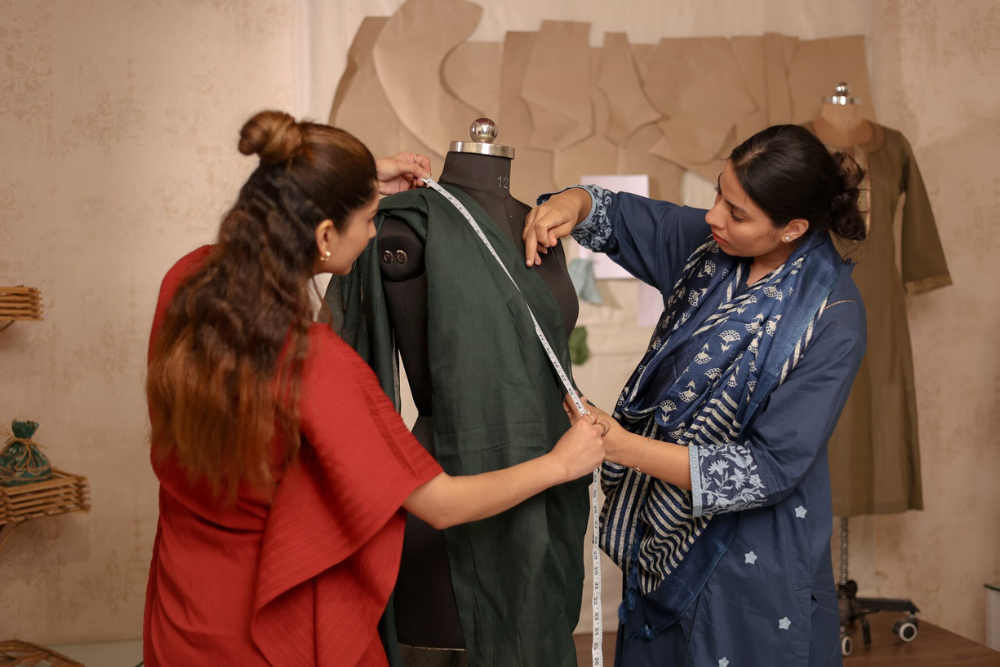
For someone planning to build a fashion business, classroom knowledge is only one part of the journey. You also need opportunities to apply what you learn.
JD Institute highlights experiential learning through projects, workshops, live shows, internships, exhibitions and industry interactions. Its fashion programmes also emphasise practical work and portfolio development.
Here is why that matters.
- You learn to work with deadlines.
Fashion does not always give you unlimited time to perfect an idea. Projects can teach you to plan, develop and complete work within a defined timeline.
- You understand the gap between an idea and execution.
A design may look fantastic on paper but need changes when it is actually constructed. Practical work helps you discover these challenges early.
- You start building a portfolio.
For students, a portfolio can become an important way of showing their creative ability, technical skills and individual design perspective.
- You become comfortable presenting your ideas.
Entrepreneurs constantly have to explain what they are doing, whether they are speaking to customers, collaborators, manufacturers or potential business partners.
- You get a taste of the industry environment.
Workshops, projects, exhibitions and industry interactions can help students understand that fashion is a collaborative field involving designers, stylists, photographers, merchandisers, marketers, manufacturers and many other professionals.
This practical approach can be particularly useful if you are asking, “is JD Institute a good choice for aspiring fashion entrepreneurs?” because entrepreneurship requires you to actually do things, not just study them.
You Do Not Have to Follow Only One Fashion Career Path
One of the interesting things about fashion is that entrepreneurship can take many forms.
- You could create a clothing label.
- You could build a jewellery or accessories brand.
- You could specialise in sustainable fashion.
- You could work in fashion styling and eventually build your own styling business.
- You could develop a fashion communication agency.
- You could work in visual merchandising.
- You could build a fashion technology or digital fashion venture.
- You could even combine fashion with event management, marketing or lifestyle businesses.
This is why a broad course ecosystem can be useful for students who are still figuring out where they fit.
JD Institute offers fashion courses across different academic levels and specialisations, including design, business management, communication, technology, styling, visual merchandising and entrepreneurship.
Instead of thinking, “I need to decide my entire career right now,” students can think about the part of fashion that excites them most.
- If you love creating garments, a design-focused course may be a natural starting point.
- If you enjoy strategy and managing brands, fashion business and management may interest you more.
- If you are drawn towards storytelling and branding, fashion communication could be worth exploring.
- If you want a shorter, focused programme, diploma and specialised options can provide another route.
The right choice ultimately depends on your academic background, career goals and the kind of fashion professional you want to become.

Why JD Institute Can Be a Top Choice for a Fashion Designing Course or College in Bangalore?
For students specifically looking for a Fashion Designing Course or Fashion Design College in Bangalore, JD Institute can be considered a top choice because of the combination of course variety, practical exposure, industry-oriented learning and opportunities to develop a professional portfolio. The institute has been offering design education since 1988 and its Bangalore offerings cover undergraduate, postgraduate, diploma and specialised fashion programmes.
Bangalore itself also gives students access to a diverse creative and professional environment, which can be valuable when you are trying to understand how fashion connects with business, technology, retail, communication and lifestyle. At JD Institute, students can explore different parts of fashion rather than looking at design as only sketching or garment making. Courses and learning opportunities cover areas such as fashion design, management, communication, technology, styling and entrepreneurship.
For an aspiring entrepreneur, that wider perspective can be helpful. You are not only learning how to create a garment. You are gradually learning how a fashion idea can become a collection, how a collection can become a brand and how a brand needs communication, customers and business planning to grow.
What Could Your Journey Look Like at JD Institute?
There is no single formula for becoming a fashion entrepreneur. Your journey could look something like this:
Stage 1: Discover: You begin by exploring fashion, experimenting with ideas and understanding your creative interests.
Stage 2: Learn: You develop your technical foundation through subjects such as design, textiles, garment construction, illustration and digital tools.
Stage 3: Experiment: Projects and practical assignments allow you to test different ideas rather than staying within a purely theoretical approach.
Stage 4: Build: You start creating collections, developing your portfolio and understanding your personal design identity.
Stage 5: Understand the Industry: Through projects, workshops, internships, events and industry interactions, you begin seeing how the fashion ecosystem works beyond college.
Stage 6: Choose Your Direction: You may decide to work with a brand first, continue with higher education, specialise in a particular area or start developing your own business idea.
The important thing is that entrepreneurship does not need to happen overnight.
Sometimes, the best fashion entrepreneurs are those who first spend time learning the craft and understanding the industry.

So, Is JD Institute a Good Choice for Aspiring Fashion Entrepreneurs?
If you are still wondering, “is JD Institute a good choice for aspiring fashion entrepreneurs?”, look at it from the perspective of what you want from your education.
If you want a course that only focuses on designing garments, then your priorities may be different.
But if you want to explore fashion from creative, technical, communication and business perspectives, JD Institute offers several pathways that may suit that goal. Its programmes range from B.Des and B.Sc options to postgraduate degrees, PG diplomas, advanced diplomas, diplomas and specialised courses.
For an aspiring entrepreneur, five things stand out:
- Creative development: You get opportunities to develop your own design thinking and creative identity.
- Technical knowledge: Learning about fabrics, patterns, construction and design helps you understand how products are actually made.
- Business exposure: Dedicated fashion business and entrepreneurship programmes provide pathways for students interested in the commercial side of fashion.
- Practical experience: Projects, workshops, live activities and industry exposure can help connect classroom learning with professional expectations.
- Portfolio building: Developing a body of work can help you communicate your capabilities when approaching brands, clients, collaborators or future opportunities.
None of these automatically guarantees entrepreneurial success. Your initiative, consistency, ability to learn from mistakes and willingness to understand the market will still matter enormously.
But the right educational environment can give you a stronger starting point.
Your First Collection May Begin Long Before You Start Your Brand
The first step towards becoming a fashion entrepreneur does not necessarily happen when you register your company, launch an Instagram page or sell your first collection.
It can happen much earlier.
It can happen when you stop looking at a piece of clothing only as something you like and start wondering why it was designed that way. Who is going to buy it? What fabric was chosen? How was it produced? What makes the brand memorable? Could the same idea be made more sustainable? How would you price it? How would you tell people about it?
Those are entrepreneurial questions.
If you are considering JD Institute as a fashion designing college in Bangalore, take time to explore the courses, understand their curriculum, look at the kind of practical work involved and think honestly about your own goals. Do not choose a programme simply because its name sounds impressive. Choose one that matches the kind of work you want to do.