Can I Start My Own Brand After Completing Fashion Designing from JD Institute?
30/10/2026 2026-11-06 17:27Can I Start My Own Brand After Completing Fashion Designing from JD Institute?
Can I Start My Own Brand After Completing Fashion Designing from JD Institute?
Imagine having a clothing brand where every collection reflects your ideas, every design has a story and every piece carries a style that people begin to recognise as yours. You may already have a few sketches in your notebook, a collection of outfit references on your phone or even ideas for the kind of clothes you would like to sell. But turning that interest into an actual fashion business can feel like a big step. Where do you begin? Do you need years of experience in the industry? How much do you need to know about designing, fabrics, production and marketing before launching your own label?
If you are considering fashion design as a career, these questions are worth thinking about even before you enrol in a course. One of the common questions students ask is, can I start my own brand after completing fashion designing from JD Institute? The answer is yes. Completing a fashion design course can give you a foundation to work towards starting your own clothing label. However, building a brand involves more than learning to design garments. You also need to understand your customers, identify a market, manage production, plan your pricing and find ways to introduce your collections to the right audience.
For students exploring a Fashion Design College in Bangalore, understanding the connection between fashion education and entrepreneurship can help them make a more informed course decision. This blog looks at how you can use your fashion design education at JD Institute as a starting point, what goes into launching your own brand and the steps you can take to turn your design ideas into a business.
Can You Start Your Own Fashion Brand After Studying at JD Institute?
Yes, you can work towards starting your own fashion brand after completing a fashion design course. A formal education can help you understand the creative and technical aspects of the industry, which are important when developing your own collections. Instead of relying only on personal taste or following trends, you learn to approach clothing as a product that needs to be designed, developed and presented to a specific audience.
However, it is important to understand what a fashion design course can and cannot do. Your education can introduce you to design principles, garment development, fabrics and other areas of fashion. Running a brand also requires business decisions, financial planning, production management and customer communication. These are skills you will continue developing as you gain practical experience.
If you are wondering, can I start my own brand after completing fashion designing from JD Institute, consider the different ways your education can support that goal.
How your fashion design education can help
- Understanding the design process
Starting a clothing label means developing designs that people would want to wear. You need to understand how to move from an initial idea to a finished garment. Fashion education can help you explore silhouettes, colours, patterns, proportions and garment details. These fundamentals allow you to create collections with a clear direction instead of designing individual pieces without a common theme.
- Learning about fabrics and materials
Fabric selection affects the appearance, comfort, fit and price of a garment. For example, the material suitable for a summer collection may not work for structured formalwear. Understanding fabric properties, textures, drape and suitability can help you make better decisions when developing products for your brand.
- Developing garment construction knowledge
A design may look appealing on paper, but it needs to work as a wearable garment. Knowledge of garment construction, patterns, measurements and finishing can help you understand how clothes are made. It also makes it easier to communicate your requirements to tailors, pattern makers and production teams.
- Creating a recognisable design direction
A fashion brand needs an identity that customers can recognise. Your understanding of design principles can help you develop a consistent approach to silhouettes, colours, details and styling. Over time, these choices can become part of what makes your label different from other brands.
- Building a portfolio of ideas
Projects completed during your course can help you identify the kind of fashion you enjoy creating. You may discover an interest in contemporary Indian wear, occasionwear, streetwear, sustainable clothing or another category. These interests can become starting points for developing your brand concept.
What Do You Need to Decide Before Starting Your Own Fashion Brand?
Before thinking about a logo, photoshoot or Instagram page, take some time to understand what your brand will actually offer. A clothing label needs a clear identity and a reason for customers to choose it. You do not necessarily need an entirely new fashion concept, but you should know what you want your products to represent.
Here are six important decisions to make before you begin.
- Decide what kind of clothing you want to create: Fashion is a broad industry, so trying to design for everyone can make it difficult to establish a clear identity. Start by identifying the category you are most interested in.
For example, you could focus on:
- Everyday clothing: Comfortable and versatile garments for regular use, such as shirts, dresses, trousers and co-ord sets.
- Ethnic and contemporary Indian wear: Kurtas, fusion outfits, sarees, festive clothing and other designs that combine traditional elements with modern styling.
- Occasionwear: Outfits for weddings, celebrations, parties and other special events.
- Streetwear: Casual clothing influenced by youth culture, graphic elements, oversized silhouettes and everyday styling.
- Sustainable fashion: Clothing developed with attention to material choices, production practices, garment longevity and waste reduction.
- Custom-made clothing: Outfits created according to individual measurements, preferences and specific requirements.
- Identify the people you want to sell to: Your target audience influences almost every decision you make, from the designs and fabric choices to your pricing and marketing.
Think about the people who are most likely to buy your products. Are they college students looking for affordable everyday clothing? Working professionals who prefer versatile outfits? Brides looking for customised occasionwear? Or customers who enjoy experimenting with contemporary fashion?
Try to understand their preferences, shopping habits, spending capacity and the problems they face when buying clothes. This will help you create products that have a clear place in the market.
- Find what makes your brand different: Your brand needs a recognisable point of view. This does not mean every design has to be completely original. It means you should have a clear reason behind your design choices.
Your difference could come from:
- A particular style of prints or embroidery.
- A focus on comfortable clothing for everyday use.
- Inclusive sizing and fit options.
- Contemporary designs inspired by Indian textiles.
- Customisation and made-to-order services.
- Clothing made using carefully selected materials.
- Research other fashion brands: Look at brands that sell products similar to the ones you have in mind. Study their collections, pricing, product descriptions, customer reviews and social media communication.
Pay attention to what customers appreciate and what they complain about. For instance, repeated feedback about poor sizing, limited options or uncomfortable fabrics may help you identify areas where your brand can offer a better experience.
The purpose is not to copy another label. It is to understand the market and find a space where your products can offer something valuable.
- Decide how you will sell your products: Your sales channel influences how you manage inventory, communicate with customers and deliver orders. You could begin with an online store, social media sales, pop-up exhibitions, multi-designer stores or a physical retail space.
For someone starting out, an online-first approach may be easier to test because it does not require committing to a full retail setup immediately. However, the right option depends on your products, audience and available resources.
- Set a realistic starting budget: Starting a fashion brand involves several expenses. These may include fabric, sampling, stitching, labels, packaging, photography, website development, marketing and shipping.
Prepare a basic estimate before placing your first production order. Keep some money aside for unexpected expenses, such as alterations, rejected samples or delayed deliveries. Starting with a manageable collection can help you understand costs before investing in larger quantities.
How to Turn Your Fashion Design Ideas Into Your First Collection
Once you have a clear idea of your brand, the next step is developing products that customers can actually buy. This is where your design knowledge becomes especially useful. You need to move beyond inspiration images and create garments that can be sampled, fitted, produced and sold.
Think of your first collection as a small introduction to your brand. It should communicate your design direction without making production unnecessarily complicated.
Step 1: Create a collection concept
- Begin with a theme or idea that connects your designs. It could be inspired by a particular season, colour palette, cultural reference, lifestyle or type of customer.
- For example, if you want to launch a contemporary Indian wear label, your first collection could focus on versatile festive outfits. You might choose a colour palette, explore a few silhouettes and decide which details will connect the pieces.
- A collection concept gives your designs a common direction. It also makes it easier to explain the inspiration behind your products to customers.
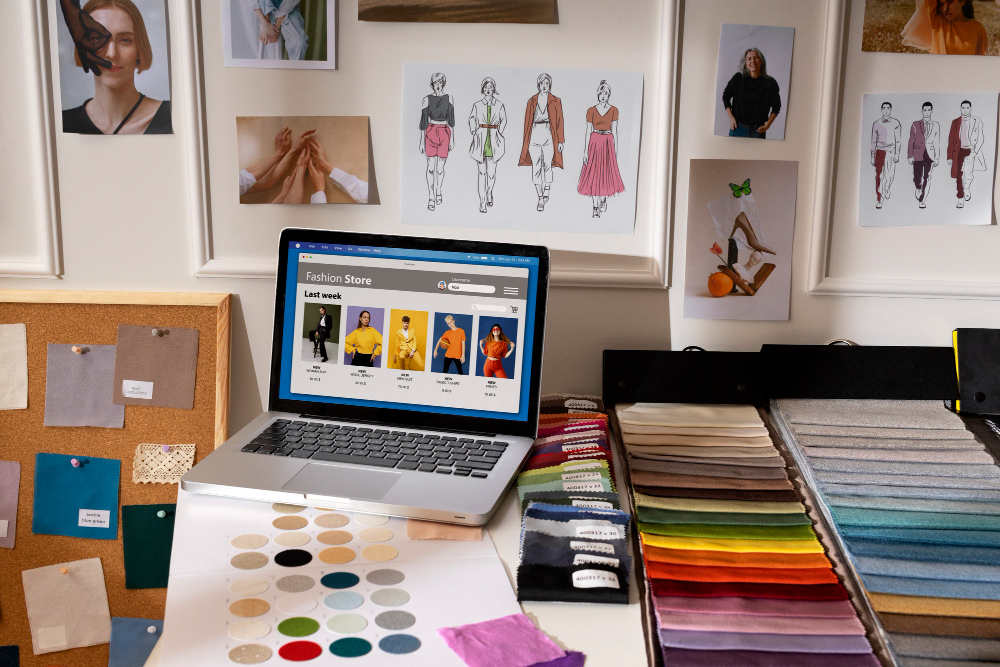
Step 2: Prepare mood boards and design sketches
- A mood board helps you organise your ideas before developing individual garments. You can include references for colours, fabrics, textures, silhouettes, prints, styling and overall visual direction.
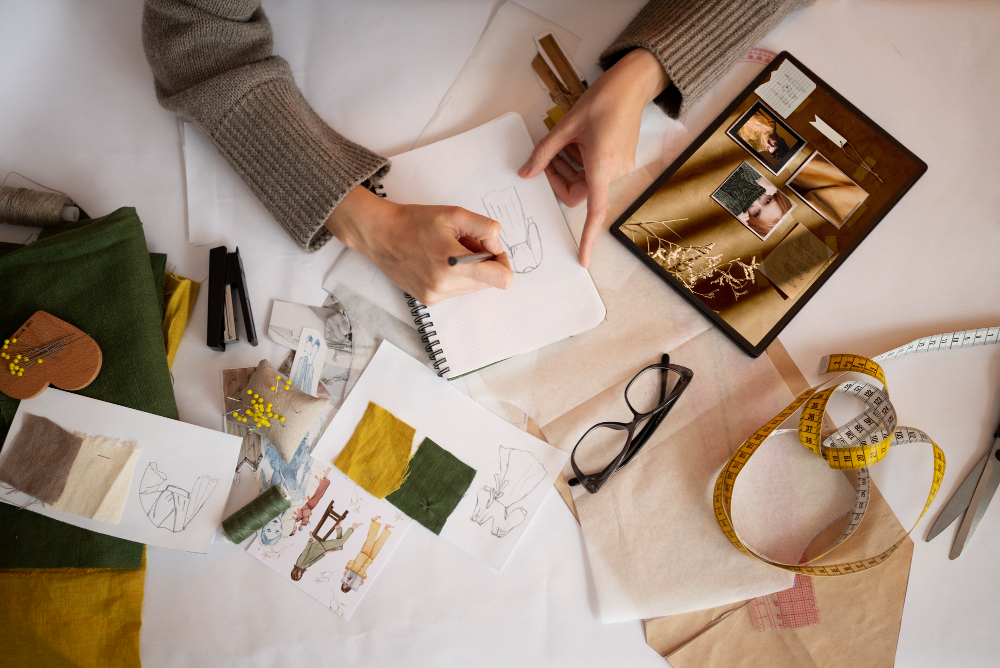
- Once the concept is clear, start sketching your designs. Your sketches should communicate the garment’s shape, details and important design elements. You do not need to finalise every detail immediately. The purpose is to explore possibilities and identify designs that can be developed further.

Step 3: Select suitable fabrics and materials
- Choose fabrics based on the garment’s purpose, not just how they look. Consider their weight, texture, drape, comfort, durability and care requirements.
- For instance, a structured jacket requires a different material approach from a relaxed summer dress. Similarly, a garment intended for frequent use may need a fabric that can handle regular washing and wear.
- You should also consider the availability and cost of materials. A fabric that is difficult to source consistently may create problems when you need to reproduce a popular design.
Step 4: Develop samples and test the fit
- Before producing multiple pieces, create samples of your designs. A sample allows you to check whether the garment looks and feels the way you intended.
- Try the garment on different body types where relevant. Check the fit, length, movement, stitching, closures and finishing. You may need to make several changes before approving the final version.
- This step is important because a design that looks good in a sketch may need adjustments when translated into an actual garment.
Step 5: Finalise your product range
Your first collection does not need dozens of designs. A small range of carefully developed products can be easier to manage.
For example, you could begin with:
- Three to four tops or shirts.
- Two to three bottoms.
- Two dresses or one-piece outfits.
- A few coordinated sets.
- One or two distinctive pieces that reflect your brand’s design identity.
Step 6: Decide how much stock to produce
- You can explore different production approaches depending on your resources.
- Small-batch production: You produce a limited quantity of each design. This can help you test customer response without holding a large amount of inventory.
- Made-to-order: You begin production after receiving an order. This may reduce the need to maintain ready stock, but you must communicate realistic delivery timelines.
- Pre-orders: You introduce a collection and accept orders before completing the full production run. Be transparent about production schedules and delivery dates.
- Ready-to-ship inventory: You produce garments in advance and keep them available for immediate dispatch. This can improve delivery speed, but unsold stock may tie up your money.
How Can You Market Your Own Fashion Brand and Find Customers?
You could create a well-designed collection, but customers will not automatically discover it. Marketing helps people understand what your brand offers, why it is different and where they can purchase your products.
You do not need an enormous advertising budget to begin. What matters is having a consistent way of presenting your products and communicating with the audience you want to reach.
- Build a clear brand story
People often connect with the thought behind a brand, especially when it comes from an independent designer. Explain what inspired you to start the label, what kind of clothing you create and what you want your designs to represent.
- Use social media to introduce your designs
Platforms such as Instagram and Pinterest can help fashion brands showcase collections and reach potential customers. Use them to share product photographs, styling ideas, new launches and behind-the-scenes content.
- Invest in product photography
Customers shopping online cannot physically touch or try on your garments before purchasing. Your photographs need to provide a clear idea of the product.
- Work with creators and fashion communities
Collaborating with fashion content creators, stylists, photographers and local communities can help introduce your brand to new audiences.
- Participate in exhibitions and pop-up events
Fashion exhibitions, flea markets and pop-up events can give customers an opportunity to see and try your garments in person. They can also help you understand how people respond to your products, which designs attract attention and what questions customers ask before purchasing.
- Use customer feedback to improve your products
Pay attention to what customers say after purchasing. Feedback about sizing, fabric comfort, stitching, packaging and delivery can help you identify areas that need improvement.
Why Choose JD Institute for Fashion Designing Courses in Bangalore?
At JD Institute, we recognise that fashion design can lead to different career paths, including the opportunity to build an independent label. Our Fashion Designing Courses in Bangalore are intended for students who want to understand the creative and practical aspects of the fashion industry. We encourage students to explore areas such as garment design, fabrics, silhouettes, colours, styling and collection development as they build their understanding of fashion. Learning these fundamentals can help aspiring designers approach their ideas with greater clarity, whether they want to work with an established fashion house or eventually develop their own brand.
We believe that design education should encourage students to experiment, develop their creative thinking and understand how ideas can be translated into garments. For students looking for a Fashion Design College in Bangalore, JD Institute is worth considering because of its focus on developing a foundation in fashion design and helping students explore the possibilities within the industry. Our aim is to help aspiring designers build their skills, understand their creative interests and take informed steps towards their chosen career direction.
Your Fashion Brand Can Begin With What You Learn Today
Starting a fashion brand after completing a fashion design course is a realistic goal, but it requires more than a good eye for clothing. You need to understand how garments are designed, how fabrics behave, how collections are developed and how products move from the sampling stage to the customer. You also need to learn how to price your products, manage production, communicate with buyers and make decisions that keep your business running.
So, can I start my own brand after completing fashion designing from JD Institute? Yes, you can use your education as a foundation for working towards that goal. A fashion design course can help you develop your creative and technical understanding, explore different areas of the industry and begin building a portfolio of ideas. What you do with that knowledge will depend on the effort you put into practising, gaining experience and understanding the business side of fashion.
You do not have to begin with a large collection or an expensive retail store. You could start with a few carefully developed designs, test them with a specific audience and gradually understand what customers respond to. As your experience grows, you can improve your products, build relationships with production partners and expand your collection based on actual demand. Give yourself time to learn from mistakes and make changes rather than expecting everything to work perfectly from the first launch.