

Common Mistakes Beginners Make While Learning Fashion Design
19/11/2026 2026-11-19 15:53Common Mistakes Beginners Make While Learning Fashion Design
What Are The Common Mistakes Beginners Make While Learning Fashion Design
Imagine sketching an outfit you have been thinking about for days. You know the colours you want, the silhouette you have in mind and even the kind of fabric you would like to use. But when you finally start working on it, the proportions look different, the fabric does not fall the way you expected, or the finished garment does not match your original idea. If you are new to fashion design, experiences like these are quite common.
Fashion design is often seen as a field where creativity takes centre stage. While having a creative eye is important, designing clothes involves much more than coming up with attractive outfit ideas. You need to understand fabrics, garment construction, measurements, patterns, colour combinations, fashion illustration and the purpose of different designs. You also need to learn how to translate an idea into something that can actually be made and worn.
If you are beginning your fashion design journey, you may be wondering: What are the common mistakes beginners make while learning Fashion Design? Most of these mistakes happen because students are still understanding the relationship between creative ideas and practical execution. Recognising them early can help you approach assignments more thoughtfully, develop your skills and become more confident in your work.
If you are planning to study fashion design after Class 12, it is useful to understand these challenges before choosing a course. Students exploring a Fashion Designing College in Bangalore should look for a learning environment that introduces both the creative and technical aspects of the field.
Starting With Fashion Design Without Understanding the Basics?
When you first start learning fashion design, you may be excited to create elaborate outfits and experiment with different styles. However, moving too quickly into complicated designs without understanding the basics can make the process difficult.
Before exploring individual skills, it helps to understand the common mistakes beginners make while learning Fashion Design? Many of them begin with overlooking the fundamentals that support almost every stage of the design process.
Here are five mistakes beginners should be aware of.
- Ignoring the Fundamentals of Fashion Design
- One of the most common mistakes is trying to create complicated designs without first understanding basic design principles. You may want to sketch elaborate gowns, experiment with unusual silhouettes or recreate outfits you have seen online.
- However, without understanding proportions, shapes, lines, textures and garment structure, it can be difficult to develop these ideas.
- Start by learning how different garments are structured and how design elements influence their appearance.
- Understanding these fundamentals gives you a foundation for creating more detailed designs later.
- Focusing Only on Fashion Illustration
- Fashion illustration helps you communicate your ideas visually, but it is only one part of the design process.
- A beautiful sketch does not automatically mean that the garment can be constructed in the same way.
- Beginners sometimes spend hours perfecting illustrations without learning about fabric behaviour, measurements, patterns and stitching.
- Try to connect your sketches with actual garment-making techniques.
- This will help you understand whether your design is practical and how it can be developed.
- Following Every Fashion Trend
- Fashion trends can be exciting, particularly when you are exploring different styles and looking for inspiration. However, copying every popular outfit without understanding why it works can limit your creative development.
- Instead of recreating every trending design, observe what makes it interesting. Look at its silhouette, fabric, colour combination, construction and styling. You can then use these observations to develop your own ideas rather than simply reproducing someone else’s work.
- Choosing Fabrics Without Understanding Their Properties
- A fabric can look beautiful but may not be suitable for the garment you want to create.
- For example, a structured outfit may require a material that holds its shape, while a flowing dress may need a fabric with a softer drape.
- Beginners should understand fabric weight, texture, stretch, transparency and durability before selecting materials. Testing different fabrics can help you understand how they behave when cut, stitched, folded and worn.
- Rushing Through the Design Process
- Creating a garment involves several stages, from developing an idea and preparing a sketch to selecting materials, drafting patterns and stitching the final piece.
- Trying to complete everything quickly can result in measurement errors, poor finishing or design details that do not work as intended. Give yourself enough time to work through each stage. Careful planning can help you avoid unnecessary corrections and improve the quality of your final garment.
- Understanding these mistakes is a useful starting point because it helps you recognise that fashion design is not just about having good ideas. It is also about learning how to develop and execute them.
Mistakes Beginners Make While Learning Fashion Illustration and Design Development
Fashion illustration is often one of the first areas students explore when they begin studying fashion design. It allows you to communicate ideas visually and experiment with different silhouettes, proportions and styling details.
When considering the common mistakes beginners make while learning Fashion Design?, it is important to look at illustration as well. Beginners may find it difficult to translate what they imagine into a clear drawing, particularly when they are still learning proportions and garment representation.
Here are five mistakes to avoid.
- Not Understanding Fashion Figure Proportions
- Fashion figures are often illustrated differently from regular human proportions. Beginners may struggle with body proportions, the placement of body parts and the overall balance of a figure.
- Spend time understanding basic fashion figure drawing. Practise the head-to-body ratio, shoulder placement, waist position, hip proportions and leg length. Once you understand these elements, you can experiment with different poses and illustration styles.
- Drawing Clothes Without Considering the Body
- An outfit needs to follow the structure and movement of the body. If you draw garments without considering the figure underneath, the clothes may look stiff or unnatural.
- Practise drawing how fabric falls around the shoulders, waist, arms and legs. Observe how folds and creases form when a person sits, walks or moves. This will help you represent garments more naturally.
- Adding Too Many Details Too Early
- When beginners start sketching, they may immediately focus on buttons, embroidery, prints, accessories and decorative details. However, the basic silhouette and overall structure of the garment should be established first.
- Begin with the shape and proportions of the outfit. Once the main design is clear, add details that support the concept. This makes your illustrations easier to understand and helps you maintain a clear design direction.
- Not Exploring Different Drawing Styles
- Relying on a single illustration style can make it difficult to communicate different types of fashion concepts. You may need to draw casual wear, formal outfits, traditional garments, accessories or experimental silhouettes.
- Practise different poses, garment categories and drawing techniques. Exploring different approaches can help you become more flexible when presenting your ideas.
- Treating Colour as Decoration
- Colour plays an important role in communicating the mood and identity of a design. Beginners sometimes add colours simply because they look attractive together, without considering how they relate to the overall concept.
- Learn about colour combinations, contrast, harmony and colour temperature. Try creating small colour palettes before applying them to your illustrations. This will help you make more thoughtful choices.
Fashion illustration is not simply about creating attractive drawings. It is about communicating a design idea clearly enough that someone can understand the garment’s shape, details and overall appearance.
Fabric Selection and Garment Construction Mistakes You Should Avoid
Understanding fabrics and garment construction is just as important as developing creative ideas. A design may look perfect in an illustration, but the actual garment depends on how well you understand the material and construction process.
Fabric-related challenges are another important part of the common mistakes beginners make while learning Fashion Design? A lack of material knowledge can affect the fit, appearance and finish of the garment.
Here are five mistakes beginners commonly make in this area.
- Selecting Fabric Only Based on Appearance: A fabric may look beautiful but may not be suitable for the garment you want to create. For example, a lightweight material may not provide the structure required for a tailored jacket. Before choosing fabric, consider its weight, drape, stretch, texture and intended use. Understanding these properties can help you select materials that support your design.
- Ignoring Fabric Behaviour: Different fabrics respond differently when cut, stitched, folded or stretched. Some materials may fray easily, while others may shift during stitching or require special handling. Beginners should spend time observing how different fabrics behave. Practising with fabric samples can help you understand their characteristics before using them for a complete garment.
- Not Learning Basic Stitching Techniques: You do not need to master every stitching technique immediately, but understanding the basics is important. Beginners may rush into complicated garments without practising straight seams, hemming, finishing and basic construction methods. Start with simple exercises and gradually work towards more detailed garments. Consistent practice can help improve your control and finishing.
- Skipping Pattern Making Fundamentals: Pattern making involves creating the shapes and pieces needed to construct a garment. It requires an understanding of measurements, garment structure and how different pattern pieces fit together. Skipping the fundamentals can lead to fitting problems and construction errors. Learn how to prepare basic patterns before experimenting with complex silhouettes.
- Neglecting Garment Finishing: A garment is not complete simply because all its pieces have been stitched together. Finishing details such as seams, hems, closures and edges influence the overall quality of the final product. Pay attention to these details while working on your designs. Good finishing helps make a garment look more refined and professionally presented.
Common Mistakes Beginners Make When Understanding Fashion Trends and Research
Fashion design is closely connected to observation and research. Designers study clothing, cultures, materials, consumer preferences and changing fashion movements to develop new ideas.
Research is also useful when examining the common mistakes beginners make while learning Fashion Design? Beginners may approach it as simply browsing social media or collecting pictures of outfits they like. While visual references are useful, effective research involves understanding the ideas behind them.
Here are five mistakes you should avoid
- Copying Designs Instead of Finding Inspiration
- Looking at other designers’ work can help you understand different approaches to fashion. However, directly copying an outfit does not help you develop your own design perspective.
- Instead, identify what interests you about a particular design. It could be the silhouette, fabric combination, detailing or construction. Use that element as a starting point and explore how you can interpret it differently.
- Ignoring Fashion History
- Fashion does not develop in isolation. Many contemporary designs take inspiration from historical clothing, traditional techniques and earlier fashion movements.
- Learning about fashion history can help you understand how styles have changed and why certain design elements continue to influence clothing. It can also give you more references when developing collections.
- Not Studying the Target Audience
- A design should consider who is expected to wear it. Clothing created for everyday use may have different requirements from garments designed for an evening event or a fashion presentation.
- Think about the intended wearer, their preferences, lifestyle and the purpose of the garment. This can help you make more suitable decisions about fabrics, silhouettes and styling.
- Following Trends Without Understanding Their Context
- A trend may become popular because of cultural influences, changing consumer preferences, celebrity styling or developments in the fashion industry.
- Rather than following a trend simply because it is popular, try to understand where it comes from and how it may influence your design direction. This will help you make more thoughtful creative choices.
- Collecting References Without Organising Them
- Saving hundreds of pictures without a clear purpose can make it difficult to develop a design concept.
- Organise your references around themes, colours, materials, silhouettes or moods. Creating a mood board can help you identify common elements and develop a more focused direction for your project.
Research should help you think beyond what already exists. The more carefully you observe fashion, the easier it becomes to develop ideas that reflect your own creative perspective.
How Do Beginners Approach Fashion Design Projects Incorrectly?
A fashion design project brings together several skills. You may need to research a concept, develop illustrations, select materials, prepare patterns and construct a garment. Since each stage influences the next, mistakes made during the early stages can affect the final result.
A closer look at the common mistakes beginners make while learning Fashion Design? also reveals that project planning and execution deserve attention. Consider these common mistakes when working on your first few projects.
| Common Mistake | Why It Can Be a Problem | How to Improve |
| Starting without a clear concept | The design may lack direction or consistency. | Develop a theme and identify the purpose of the project before sketching. |
| Skipping research | You may miss useful references, materials or design possibilities. | Study relevant styles, trends, fabrics and the intended audience. |
| Not planning the garment | Construction can become confusing and lead to repeated changes. | Prepare sketches, measurements and basic patterns before stitching. |
| Choosing unsuitable materials | The final garment may not look or function as intended. | Understand fabric properties and test materials before using them. |
| Ignoring fitting and alterations | The garment may not sit properly on the body. | Check measurements, conduct fittings and make necessary adjustments. |
| Rushing the final presentation | Important design details may not be communicated clearly. | Organise illustrations, fabric choices, construction details and final images. |
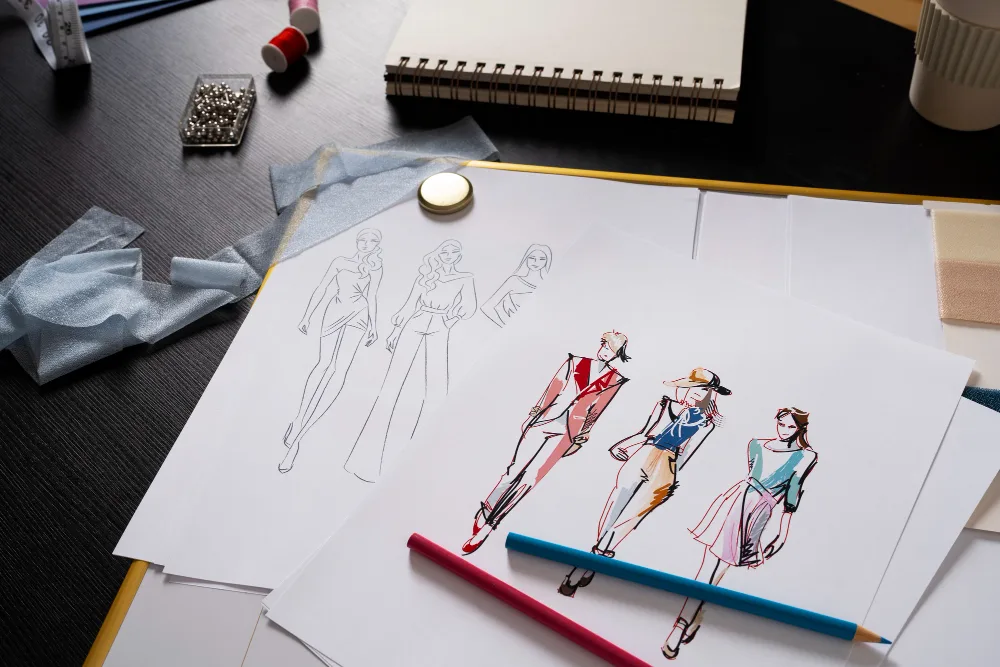
Mistakes Beginners Make While Building a Fashion Design Portfolio
A portfolio is an important way to present your creative work and show how your design skills are developing. It can include illustrations, mood boards, fabric explorations, design concepts, garment photographs and project documentation.
Portfolio development is another area to consider when understanding the common mistakes beginners make while learning Fashion Design? Beginners often make the mistake of treating a portfolio as a collection of their best-looking sketches. A useful portfolio should communicate more than the final appearance of a design.
Here are five mistakes to avoid.
- Including Too Many Unrelated Designs: A portfolio filled with unrelated sketches can make it difficult for someone to understand your design interests. Instead, organise your work into projects or themes that show how your ideas develop.
- Showing Only Finished Designs: The process behind a design is also important. Include research, initial sketches, mood boards, fabric choices and development stages where relevant. This helps show how you arrived at the final concept.
- Ignoring Presentation Quality: A portfolio should be easy to follow. Poor image quality, inconsistent layouts or missing descriptions can make your work difficult to understand. Pay attention to image selection, arrangement, captions and overall presentation.
- Including Work Without Explaining the Concept: A sketch or garment photograph may not communicate the full idea behind a design. Add short explanations that describe the inspiration, materials, intended wearer and important design decisions.
- Not Updating Your Portfolio: Your skills and design interests may change as you gain experience. Keeping an outdated portfolio can prevent you from showing your recent improvements.
Review your work regularly and include projects that reflect your current abilities and understanding.
Building a portfolio should be an ongoing process. You do not need to wait until you have completed a large number of projects. Start documenting your work as you learn and improve.
Why Choose JD Institute as Your Fashion Designing College in Bangalore?
At JD Institute, we believe that fashion design education should encourage students to experiment with ideas while developing a strong understanding of the fundamentals. As a Fashion Designing College in Bangalore, we want aspiring designers to understand that creating garments involves more than sketching attractive outfits or following popular trends. It requires an understanding of fabrics, colours, silhouettes, garment construction and the creative process behind each design.
Our approach focuses on encouraging students to explore different design possibilities, develop their visual thinking and understand how concepts can be translated into garments. We believe students should have the opportunity to experiment, recognise areas where they can improve and build confidence in presenting their work. We also encourage an understanding of the different aspects of the fashion industry so students can explore their interests and identify the areas they would like to pursue.
At JD Institute, our aim is to provide a learning environment where students can develop their creative abilities, strengthen their design understanding and build a foundation for exploring opportunities in fashion. For students looking for a Fashion Designing College in Bangalore, we want the learning experience to help them understand the field, develop their individual design perspectives and work towards their creative goals.
From First Sketches to Finished Garments
Learning fashion design is a process of turning ideas into something people can see, understand and eventually wear. You may begin with a sketch, a fabric sample or an outfit that inspires you, but developing that idea into a finished garment requires several steps. You need to understand proportions, select suitable materials, prepare patterns, work with construction techniques and pay attention to the smallest details. Each stage gives you an opportunity to learn something new.
So, the common mistakes beginners make while learning Fashion Design? They often rush through the fundamentals, rely too heavily on trends, ignore fabric behaviour, overlook technical skills or focus only on the final appearance of a garment. Some also struggle with organising their projects, accepting feedback or presenting their work through a portfolio. These mistakes are part of the learning process, but recognising them can help you approach your education more thoughtfully.
At JD Institute, we encourage aspiring designers to explore their creative interests, understand the fundamentals of fashion and build confidence in presenting their ideas. We believe that learning involves experimenting, improving and developing an individual design perspective.