

How Do Jewellery Designers Create Digital Designs?
29/05/2026 2026-05-29 17:40How Do Jewellery Designers Create Digital Designs?
How Do Jewellery Designers Create Digital Designs?
Jewellery design is no longer limited to sketchbooks, tracing sheets, and hand drawn concepts. Today, the world of jewellery design has transformed into a space where creativity meets technology. From engagement rings to luxury necklaces and custom made bracelets, almost every modern jewellery piece begins with a digital design process. If you have ever wondered how do jewellery designers create digital designs, the answer lies in a combination of artistic thinking, technical software skills, material understanding, and creative experimentation.
Digital jewellery designing has changed the way designers work. Earlier, creating a jewellery piece required multiple physical samples, lengthy manual corrections, and a lot of trial and error. Now, designers can create realistic 3D models, experiment with gemstones, change metal textures, and even test how a design would look before it is manufactured. This makes the entire process faster, more accurate, and far more creative. For students who dream of entering the jewellery industry, understanding how do jewellery designers create digital designs is one of the most important skills to learn today.
Many students searching for jewellery design courses in Bangalore are not just interested in sketching anymore. They want to learn software like Rhino, Matrix, CAD, and rendering tools that help bring ideas to life digitally. This is exactly why understanding how do jewellery designers create digital designs has become such an important topic for future designers. In this blog, we will explore the complete digital jewellery design process, the tools used, the skills required, and how students can build a successful career in this exciting industry.
Why Digital Designing Has Become Important in Jewellery Design
Digital designing has completely changed the jewellery industry. Today, brands and customers expect faster production, customisation, and realistic previews before manufacturing begins. Here are some major reasons why digital designing is now an essential part of jewellery creation.
- Better Accuracy in Designs: Digital tools allow jewellery designers to create precise measurements and symmetrical structures. This reduces mistakes during manufacturing and ensures that every gemstone, clasp, and detail fits perfectly.
- Easy Design Modifications: One of the biggest advantages of digital software is flexibility. Designers can quickly change shapes, gemstone sizes, textures, and patterns without starting from scratch.
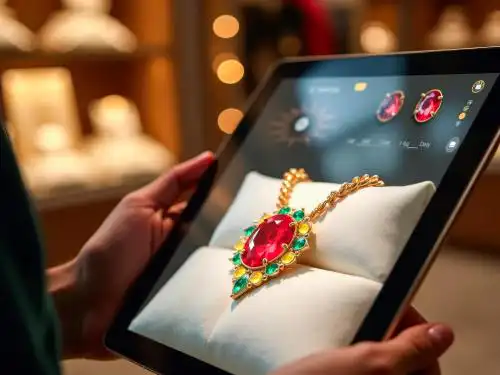
- Realistic 3D Visualisation: When people ask how do jewellery designers create digital designs, one major answer is through realistic 3D rendering. Designers can show clients exactly how the jewellery piece will look before production.
- Faster Production Process: Digital files can directly connect with manufacturing technologies like 3D printing and CNC machines. This saves time and speeds up production for jewellery brands.
- Increased Creative Freedom: Digital designing allows jewellery designers to experiment with bold, detailed, and complex concepts that may be difficult to create manually.
- Better Client Communication: Clients often find it difficult to understand hand sketches. Digital renders make communication easier because customers can clearly visualise the final jewellery product.
Step by Step Process of Creating Digital Jewellery Designs
Understanding how do jewellery designers create digital designs becomes easier when we break the process into steps. Every jewellery piece goes through multiple stages before becoming a finished product.
Concept Development
The first step is idea generation. Designers collect inspiration from fashion trends, architecture, nature, art, culture, and customer requirements. Mood boards and rough sketches are usually created during this stage.
Hand Sketching and Layout Planning
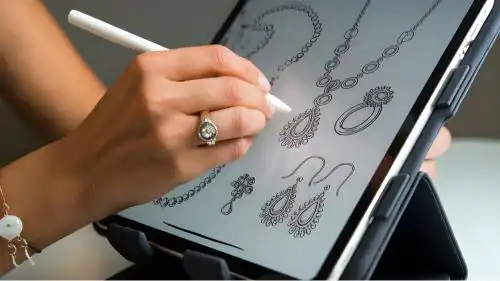
Even though technology is important, hand sketching still plays a major role in jewellery design. Designers first create rough outlines to understand proportions and aesthetics before moving to software.
CAD Software Modelling
This is where digital designing begins. Jewellery designers use CAD software like Rhino, MatrixGold, JewelCAD, or Blender to create 2D and 3D models of jewellery pieces.
The software allows them to:
- Create precise measurements
- Build gemstone settings
- Experiment with shapes
- Add detailing
- Adjust dimensions
- Create symmetrical structures
This stage is one of the biggest answers to the question how do jewellery designers create digital designs.
Rendering and Material Testing
After the model is complete, rendering software is used to create realistic images of the jewellery. Designers test different metal colours, gemstones, lighting effects, and textures.
Prototype Development
The final CAD file is often sent for 3D printing or wax modelling to create a physical sample before mass production begins.
Final Manufacturing
Once approved, the jewellery design moves into casting, stone setting, polishing, and finishing processes.
Popular Software Used by Jewellery Designers
| Software | Purpose | Why Designers Use It |
| Rhino | 3D modelling | Known for precision and flexibility in jewellery creation |
| MatrixGold | Jewellery specific CAD software | Ideal for gemstone settings and advanced detailing |
| JewelCAD | Custom jewellery design | Commonly used in commercial jewellery manufacturing |
| Blender | Rendering and modelling | Useful for creative experimentation and visualisation |
| KeyShot | Realistic rendering | Helps create high quality presentation visuals |
| AutoCAD | Technical drafting | Used for measurements, layouts, and technical drawings |
Students searching for jewellery design courses in Bangalore should always check whether the institute teaches these industry relevant software tools.
Skills Required to Become a Digital Jewellery Designer
A successful jewellery designer needs more than creativity. Here are some important skills required in the digital jewellery industry.
Creative Thinking
Designers must develop unique concepts that match fashion trends and customer expectations.
Technical Software Skills
Understanding CAD software is essential because digital tools are now used in almost every jewellery brand.
Knowledge of Materials
Designers should understand gemstones, metals, textures, and manufacturing limitations.
Attention to Detail
Jewellery design requires precision because even small errors can affect the final product.
Communication Skills
Designers often work with clients, manufacturers, gemstone experts, and fashion teams.
Problem Solving Ability
Sometimes a design may look beautiful digitally but may not be practical for production. Designers must learn how to balance creativity with functionality.
How JD Institute Helps Students Learn Digital Jewellery Designing
For students searching for the best jewellery design college in Bangalore, practical exposure and software training are extremely important. This is where JD Institute stands out as one of the leading institutes for jewellery design education.
JD Institute focuses on both creativity and technology, helping students understand how do jewellery designers create digital designs through industry based learning methods. Students are introduced to professional CAD software, jewellery rendering techniques, gemstone knowledge, and design development processes. Instead of only focusing on theory, the institute encourages students to build real world projects and practical portfolios.
One of the strongest advantages of studying at JD Institute is industry exposure. Students get opportunities to work on live projects, exhibitions, workshops, and practical assignments that prepare them for professional careers. The faculty also guides students in understanding market trends, luxury jewellery branding, and modern manufacturing technologies.
Another reason why many students consider JD Institute as the top choice for the best jewellery design course in Bangalore is the learning environment. The institute combines creativity with innovation, helping students build both artistic confidence and technical expertise. Since digital designing has become an important part of jewellery creation today, students benefit from learning software based designing methods that are directly used in the industry.
For anyone planning to build a future in jewellery designing, choosing the right jewellery design college in Bangalore can make a huge difference. JD Institute helps students develop strong creative foundations while preparing them for the digital future of jewellery design.
Career Opportunities in Digital Jewellery Design
Students often ask whether learning digital jewellery design has good career opportunities. The answer is yes. The jewellery industry is constantly evolving, and digital design skills are in high demand.
Jewellery CAD Designer: Creates detailed 3D jewellery models for brands and manufacturers.
Custom Jewellery Designer: Designs personalised jewellery pieces according to client preferences.
Rendering Artist: Creates realistic jewellery visuals for marketing and presentations.
Jewellery Brand Designer: Works with luxury brands to create seasonal collections.
Freelance Jewellery Designer: Many designers work independently and sell custom jewellery designs online.
Jewellery Entrepreneur: Some designers launch their own jewellery labels after gaining industry experience.
As technology continues to grow, understanding how do jewellery designers create digital designs will become even more valuable for future careers.
Challenges Jewellery Designers Face While Creating Digital Designs
Even though digital designing offers many advantages, designers still face several challenges during the process.
Balancing Creativity and Practicality: Sometimes creative concepts may not be technically possible during manufacturing.
Learning Advanced Software: CAD software can take time and practice to master properly.
Maintaining Precision: Jewellery design requires exact measurements and detailed accuracy.
Adapting to Trends: Fashion and jewellery trends change constantly, so designers must keep learning.
Managing Client Expectations: Clients may request frequent design changes or unrealistic ideas.
Understanding these challenges helps students prepare for the realities of the industry.
Why Digital Jewellery Design Is the Future
The jewellery industry has entered a completely new era where technology and creativity work together to create stunning designs. Today, when people ask how do jewellery designers create digital designs, the answer involves a combination of artistic imagination, software expertise, technical precision, and modern manufacturing techniques. From sketching concepts to building 3D models and creating realistic renders, digital tools have transformed the entire jewellery design process.
Whether you dream of working with luxury brands, starting your own jewellery label, becoming a CAD designer, or exploring custom jewellery creation, digital design knowledge can open many doors for your future. The jewellery industry is becoming more innovative every year, and students who understand how do jewellery designers create digital designs will have a strong advantage in this competitive field.
If you are passionate about creativity and want to turn your ideas into wearable art, enrolling in a jewellery design course in Bangalore can be the first step towards an exciting and rewarding career.