
What Is Digital Fashion and Can You Build a Career in It?
19/11/2026 2026-11-19 12:19What Is Digital Fashion and Can You Build a Career in It?
What Is Digital Fashion and Can You Build a Career in It?
Imagine designing an outfit without buying fabric, cutting patterns or stitching a single piece of clothing. You could experiment with different colours, change the silhouette, add digital textures and see how the garment looks on a virtual model. You could even create an entire fashion collection that exists only in a digital environment. This is one of the interesting possibilities that digital fashion brings to the fashion industry.
Fashion has always evolved with changing technology. From traditional garment-making techniques to computer-aided design, 3D modelling and virtual presentations, designers have continued to find new ways to develop and showcase their ideas. Digital fashion takes this further by using technology to create clothing, accessories and fashion experiences in virtual spaces. These designs can be used for digital avatars, virtual events, online content, gaming environments, fashion campaigns and other digital experiences.
But what is digital fashion and can you build a career in it? If you enjoy fashion and are curious about technology, this is a field worth understanding. It brings together creative thinking, fashion knowledge and digital skills, offering opportunities across several areas of the creative industry.
For students exploring a Fashion Design College in Bangalore, learning about emerging areas such as digital fashion can help you understand how the industry is changing and what skills may become useful in the future. In this blog, we explore what digital fashion means, how it works, the career opportunities available and how a fashion design course can help you prepare for this evolving field.
What Is Digital Fashion?
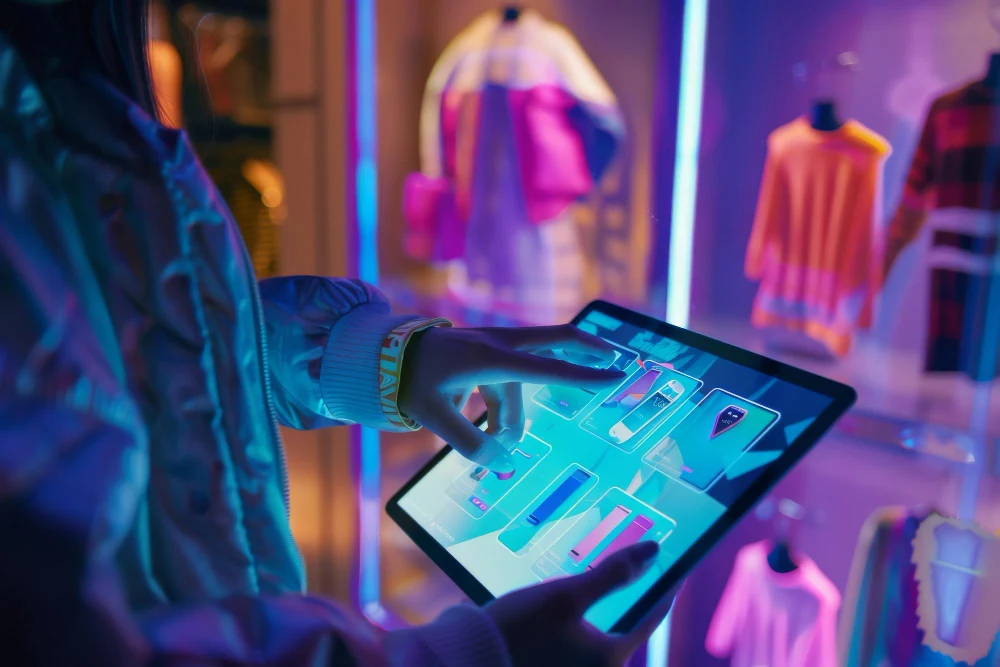
Digital fashion refers to clothing, accessories and fashion-related designs created using digital tools rather than being made as physical products. These designs can be developed in 2D or 3D environments and presented through virtual models, digital avatars, animations, gaming platforms, social media content and other online spaces.
Think of a digital garment as a piece of clothing designed on a computer. A designer can create its shape, choose virtual fabrics, adjust its fit and experiment with details without producing a physical sample. The finished design can then be displayed on a virtual model or used in a digital environment.
Digital fashion can take several forms, depending on how and where the design is used.
- Virtual clothing
- Virtual clothing is created for digital models, avatars or virtual environments. It can include dresses, jackets, trousers, footwear and other garments that exist as digital assets.
- For example, a designer could create a detailed evening gown for a virtual model and showcase it through a 3D rendering. The garment does not need to be physically stitched, but it can still have details such as folds, textures, embroidery effects and layered fabrics.
- 3D fashion design
- 3D fashion design involves creating garments in a three-dimensional digital environment. Designers can develop patterns, simulate fabric behaviour, adjust garment shapes and view the outfit from different angles.
- This can help designers understand how a garment may look and fit before moving towards physical sampling. It also allows them to experiment with designs that may be difficult or expensive to produce as physical samples.
- Digital fashion accessories
- Digital fashion is not limited to clothing. Designers can also create virtual accessories such as handbags, jewellery, shoes, sunglasses, headwear and other styling elements.
- These accessories can be designed for digital avatars, virtual campaigns, gaming environments or online fashion experiences. They allow designers to experiment with unusual shapes, materials and visual effects.
- Fashion for gaming and virtual worlds
- Many digital environments allow users to customise the appearance of their avatars. Clothing and accessories become part of how users express their personalities in these spaces.
- Digital fashion designers can create outfits and accessories for characters in gaming platforms and virtual environments. These designs may need to suit the character’s appearance, movement and the visual style of the platform.
- Digital fashion campaigns and presentations
- Brands and designers can use digital garments in promotional content, virtual fashion shows, animated videos and online campaigns.
- Instead of organising a physical photoshoot for every concept, a digital campaign can use 3D garments and virtual models. This provides creative flexibility when presenting fashion ideas to online audiences.
- Digital fashion is therefore not just about making clothes on a computer. It is about exploring how fashion can be designed, experienced and presented through technology.
How Does Digital Fashion Work?
Digital fashion combines fashion design knowledge with software and digital production techniques. The process may differ depending on the project, but most digital garments go through a series of creative and technical stages.
Understanding these stages can help you see how a designer turns an initial idea into a finished virtual outfit.
Step 1: Research and concept development
Just like traditional fashion design, digital fashion begins with an idea. A designer may take inspiration from architecture, nature, culture, art, films, street style or current fashion trends.
The research stage helps establish the direction of the collection or garment.
- Choose a theme: Decide what the design should communicate. It could be inspired by futuristic clothing, traditional textiles, nature or a particular cultural reference.
- Collect visual references: Create a mood board with images, colours, textures, silhouettes and other elements related to the concept.
- Identify the audience: Consider whether the garment is being created for a virtual avatar, a gaming character, a fashion campaign or another digital platform.
- Explore silhouettes: Sketch different garment shapes and proportions before moving into 3D design.
- Plan the overall look: Decide how the garment, accessories, colours and styling elements will work together.
A clear concept gives the project direction and helps the designer make consistent decisions throughout the process.
Step 2: Creating the garment design
- Once the concept is ready, the designer begins developing the garment. This may involve creating digital patterns, defining garment pieces and planning how they will fit together.
- The process is closely connected to traditional garment construction because the designer still needs to understand how clothing is shaped and assembled.
- For example, creating a digital jacket requires an understanding of its panels, sleeves, collar, seams and overall proportions. Even though the garment is virtual, these details contribute to how realistic and believable it looks.
Step 3: Selecting digital fabrics and textures
In digital fashion, designers can experiment with virtual materials that represent different fabric qualities. These may include the appearance of silk, denim, leather, cotton, satin, organza or other materials.
The designer needs to consider how the material should look and behave in the digital environment.
- Surface appearance: Decide whether the fabric should look smooth, rough, glossy, matte or textured.
- Transparency: Explore whether the material should appear sheer, translucent or opaque.
- Weight and movement: Consider whether the fabric should fall softly, hold its shape or appear structured.
- Colour and patterns: Apply suitable colours, prints, gradients and decorative details.
- Material combinations: Experiment with how different textures work together within one garment.
These choices help create a digital outfit that looks visually convincing and supports the original design concept.
Step 4: 3D modelling and garment simulation
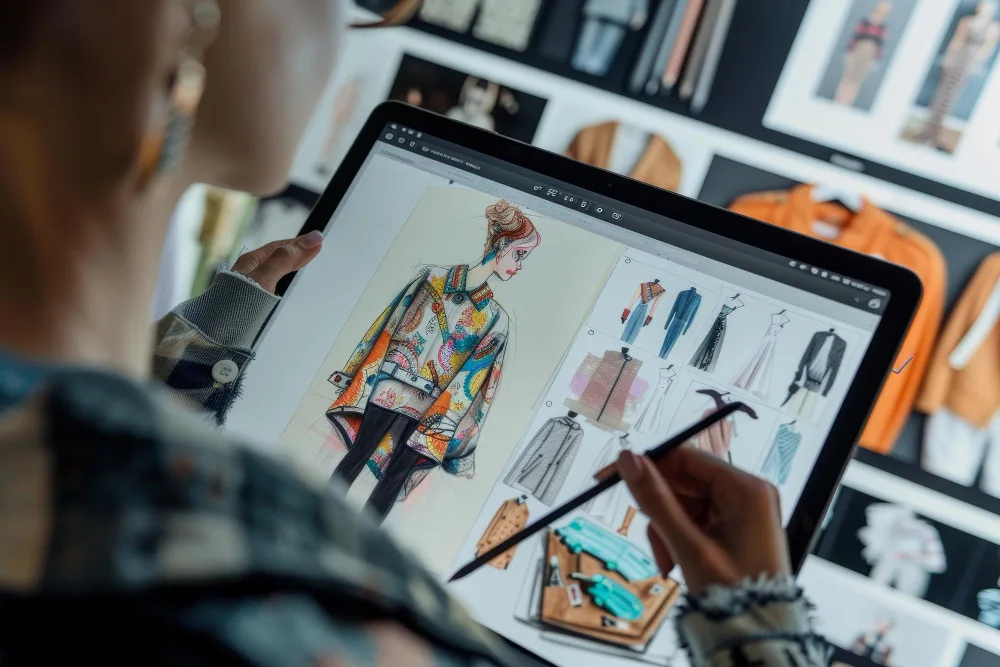
The next stage involves creating the garment in a 3D environment. Depending on the software, designers can arrange digital pattern pieces, simulate fabric behaviour and adjust the garment on a virtual body or avatar.
This stage helps the designer understand how the garment looks from different angles. They can also make changes to its proportions, fit and details.
Step 5: Rendering and presentation
Once the garment is ready, the designer prepares it for presentation. Rendering helps create images or animations that show the digital outfit in a more complete visual setting.
The designer may choose a background, virtual model, lighting arrangement and camera angle. The final output could be a still image, a short animation, a 360-degree view or a digital fashion presentation.
This is where the design becomes ready to be shared with an audience, client or creative team.
What Skills Do You Need to Become a Digital Fashion Designer?
Digital fashion requires a combination of creative and technical abilities. Knowing how to use software is important, but it is not enough on its own. You also need to understand fashion, garments, materials and the purpose behind a design. If you are wondering what is digital fashion and can you build a career in it, developing these skills can help you understand the field and explore its career opportunities.
- Fashion design fundamentals: A strong understanding of fashion design gives you the knowledge to create garments that have suitable proportions, shapes and details.
You should understand:
- Silhouettes: How different garment shapes influence the overall appearance of an outfit.
- Colour theory: How colours work together and how they affect the visual mood of a design.
- Textiles: The characteristics of different fabrics and how they influence garment design.
- Garment construction: How clothing is assembled through patterns, seams, panels and other components.
- Fashion illustration: How to communicate garment ideas through sketches and visual concepts.
These fundamentals help you create digital clothing that looks thoughtfully designed rather than simply decorative.
- 3D modelling skills: Digital fashion often involves working with 3D software to create garments, accessories and virtual objects. You need to understand how shapes are developed and adjusted in a three-dimensional space. This includes working with proportions, surfaces, digital patterns and garment details.
- Understanding fabric behaviour: A digital garment should look appropriate for the material it represents. A silk dress, for instance, should not appear as stiff as a structured leather jacket. Understanding fabric weight, drape, stretch, transparency and texture helps you make better decisions while creating virtual clothing.
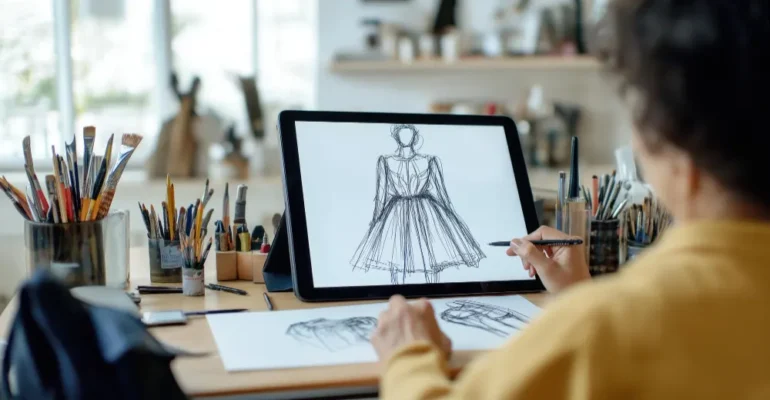
- Digital illustration and visualisation: Illustration skills help you communicate your ideas before developing them in 3D. You may need to create sketches, concept drawings, technical illustrations or visual references.
- Creativity and experimentation: Digital tools give designers opportunities to explore ideas that may be difficult to create physically. You can experiment with unusual shapes, oversized proportions, unexpected textures and imaginative accessories.
- Attention to detail: Small details can influence the overall quality of a digital garment. These may include stitching effects, folds, seams, material finishes, surface textures and accessory placement.
- Adaptability and continuous learning: Digital tools and creative platforms continue to change. New software features, production methods and virtual experiences can influence how digital fashion is developed.
Which Tools and Software Are Used in Digital Fashion?
Digital fashion designers use different software depending on the type of work they want to create. Some applications focus on garment construction and fabric simulation, while others are used for 3D modelling, texturing, rendering and animation.
| Software or Tool | How It Helps in Digital Fashion |
| CLO 3D | Helps create virtual garments, work with patterns and visualise fabric behaviour. |
| Browzwear | Supports virtual garment development, fit visualisation and digital sampling. |
| Marvelous Designer | Allows designers to create and simulate clothing for virtual characters and models. |
| Blender | Can be used to create fashion accessories, digital objects, scenes and visual presentations. |
| Autodesk Maya | Supports the creation of detailed 3D assets, characters and animated fashion presentations. |
| Adobe Illustrator | Helps develop fashion flats, technical drawings, patterns and design graphics. |
| Adobe Photoshop | Useful for mood boards, texture development, image editing and fashion presentation. |
Why Choose JD Institute for Fashion Designing Courses in Bangalore?
At JD Institute, we understand that fashion design involves much more than creating attractive garments. It requires an understanding of fabrics, silhouettes, colours, garment construction, styling and the ideas behind a collection. Our Fashion Designing Courses in Bangalore are designed for students who want to explore the creative and practical aspects of the fashion industry.
As students develop their understanding of fashion, they can work on concepts, experiment with design elements and explore how ideas can be translated into garments and visual presentations. This foundation can also introduce them to emerging fields such as digital fashion. For students curious about what is digital fashion and can you build a career in it, understanding how technology is influencing fashion design can open up new areas of creative exploration. We encourage students to develop their creative thinking, understand the design process and build the skills needed to communicate their ideas.
For students searching for a Fashion Design College in Bangalore, JD Institute is worth exploring because of its focus on fashion education and creative learning. Our aim is to help aspiring designers strengthen their understanding of the field, explore their interests and prepare for the different opportunities available across the fashion industry.
Take Your Fashion Ideas Beyond the Physical World
Fashion has always been about exploring ideas, expressing identity and finding new ways to create. Digital fashion takes these possibilities into virtual spaces, where designers can experiment with garments, materials, accessories and visual experiences without being limited to physical production. From creating 3D clothing for virtual models to developing outfits for gaming characters and preparing digital fashion campaigns, the field offers several ways to combine creativity with technology.
So, what is digital fashion and can you build a career in it? Yes, it can be a career direction worth exploring if you enjoy fashion and are interested in digital design. You could work as a digital fashion designer, 3D apparel designer, virtual fashion stylist, 3D fashion artist or digital fashion illustrator. The opportunities you pursue will depend on your skills, the type of work you enjoy and how well you can demonstrate your abilities through a portfolio.
If you are planning to join a Fashion Designing College in Bangalore, consider how the course can help you develop a strong understanding of fashion before exploring specialised areas such as digital fashion. Look for opportunities to work on practical projects, understand garment development and build a portfolio that reflects your creative interests. JD Institute’s Fashion Designing Courses in Bangalore are worth exploring as you consider the learning path that suits your goals.
You do not have to decide your entire career direction at the beginning. Start by understanding fashion, experiment with digital tools and create small projects that allow you to practise. As your skills develop, you can explore the areas that interest you most. Digital fashion brings together two fields that continue to evolve, and a willingness to learn both can help you discover creative opportunities beyond traditional garment design.