Which Design Careers Are in Demand in India?
19/11/2026 2026-11-19 11:57Which Design Careers Are in Demand in India?
Which Design Careers Are in Demand in India?
Think about the things you interact with every day. The clothes you wear, the apps you use to order food, the websites where you shop, the furniture in your home and even the packaging of products you buy have all been shaped by design. Behind these everyday experiences are designers who combine creativity with practical thinking to make products, spaces and communication more useful and appealing.
Design is no longer limited to drawing, painting or creating attractive visuals. It has become an important part of industries such as technology, fashion, retail, advertising, architecture, entertainment and education. Businesses need people who can understand what customers want, solve problems through design and communicate ideas clearly. As a result, students entering the field have several career paths to explore.
But which design careers are in demand in India? The answer depends on the type of design you are interested in, the skills you develop and the industry you want to work in. Graphic designers, UI/UX designers, interior designers, fashion designers, product designers, animators and communication designers are among the professionals who contribute to different parts of the Indian economy. Each role has its own responsibilities, work environment and career opportunities.
If you are exploring a Design College in Bangalore, it is also useful to look beyond the course name. Consider the skills you will learn, the kind of projects you will work on and how the course connects with your career interests. In this blog, we will explore some of the design careers that offer opportunities in India, the skills employers look for and how you can prepare for a career in the design industry.
Emerging Careers in Design in India
Design offers opportunities across several industries. Some roles focus on visual communication, while others involve digital experiences, physical products, clothing or interior spaces. Here are some career options worth exploring if you are planning to study design.
1. Graphic Designer
Graphic designers use visual elements such as typography, colours, images, illustrations and layouts to communicate messages. Their work appears across advertisements, websites, social media, brochures, packaging, presentations and other communication materials.
Businesses need graphic designers to maintain a consistent visual identity and communicate with their audiences. A designer may work on a single promotional poster one day and develop a complete set of brand visuals the next.
What you may do as a graphic designer:
- Create marketing materials: Design posters, brochures, banners, advertisements and promotional graphics for different campaigns.
- Develop brand identities: Work on logos, colour palettes, typography and other visual elements that help a brand maintain a recognisable appearance.
- Design social media content: Create posts, stories, carousels and digital advertisements for brands and businesses.
- Work on packaging: Develop visual designs for product boxes, labels, cartons and other packaging materials.
- Prepare digital assets: Create graphics for websites, presentations, email campaigns and other digital platforms.
2. UI/UX Designer
UI/UX design has become an important area within the technology and digital product industries. UI stands for User Interface, while UX stands for User Experience. Although the two areas are connected, they focus on different aspects of how people interact with digital products.
A UI designer works on the visual elements of an interface, including buttons, icons, colours, typography and screen layouts. A UX designer focuses on how easily people can use a website, mobile application or digital service.
Your responsibilities may include:
- Understanding the needs and expectations of users.
- Planning the structure and navigation of websites or applications.
- Creating wireframes and prototypes to demonstrate how a product will work.
- Designing screens that are clear, consistent and easy to navigate.
- Testing designs and improving them based on feedback.
For example, when someone uses a food delivery application, they should be able to search for restaurants, select dishes, place an order and complete payment without confusion. UI/UX designers work on making these interactions easier and more convenient.
3. Interior Designer
Interior designers plan and develop indoor spaces to make them functional, comfortable and visually appealing. Their work can involve homes, offices, hotels, restaurants, retail stores, educational institutions and healthcare facilities.
The role involves much more than selecting furniture or choosing wall colours. Interior designers need to understand how people use a space and how different elements can work together.
Some areas of work include:
- Space planning: Decide how furniture, storage, partitions and other elements should be arranged within a room.
- Material selection: Choose suitable flooring, wall finishes, fabrics, laminates and other materials.
- Lighting design: Plan natural and artificial lighting based on the purpose of the space.
- Furniture and fittings: Select or develop furniture and fittings that suit the design concept and available space.
- Design presentations: Prepare layouts, drawings, mood boards and 3D visualisations to communicate ideas to clients.

4. Fashion Designer
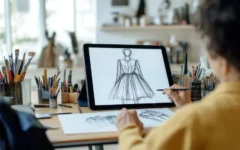
Fashion designers create clothing, accessories and collections for different audiences and purposes. They work with garment silhouettes, fabrics, colours, patterns and construction techniques to develop designs that reflect a particular style or concept.
The fashion industry includes several areas, such as ready-to-wear clothing, occasion wear, sportswear, children’s clothing, accessories and costume design. Designers may work with established brands, design studios, manufacturers or their own labels.
A fashion designer’s work may involve:
- Researching fashion trends, customer preferences and design references.
- Creating mood boards, sketches and garment concepts.
- Selecting fabrics, colours, trims and other materials.
- Working on patterns, garment construction and sample development.
- Coordinating with production teams to develop finished garments.
Fashion design may suit students who enjoy clothing, styling, textiles and visual experimentation. It is also a field where practical knowledge matters. Understanding how fabrics behave and how garments are constructed can help you turn an idea into a wearable design.
5. Product Designer
Product designers work on developing physical or digital products that solve specific user problems. Their work may involve researching user needs, studying existing products, developing concepts, testing ideas and improving the final design.
In physical product design, professionals may work on furniture, consumer goods, appliances, accessories and other everyday objects. In digital product design, they may work on applications, platforms and software experiences.
Some responsibilities include:
- Studying how people use existing products and identifying areas for improvement.
- Developing sketches, concepts and prototypes.
- Considering usability, appearance, materials and functionality.
- Working with engineers, developers and other team members.
- Reviewing prototypes and making changes based on testing and feedback.
Product design may interest you if you enjoy solving practical problems and thinking about how objects or digital tools can work better. It requires creativity, research, technical understanding and the ability to consider the user’s needs throughout the design process.
6. Animation and Motion Graphics Designer
Animation and motion graphics designers create moving visuals for films, advertisements, videos, games, digital platforms and other forms of media. Their work can include animated characters, visual effects, explainer videos, title sequences and promotional content.
As more brands and content creators use video to communicate with audiences, animation and motion graphics offer opportunities across entertainment, advertising and digital media.
The work may include:
- Creating storyboards to plan the sequence of an animation.
- Developing characters, objects and visual elements.
- Creating 2D or 3D animations.
- Adding movement, transitions and visual effects to graphics.
Working with sound, timing and editing to complete a visual sequence. This career may suit you if you enjoy storytelling, illustration, filmmaking or experimenting with movement. You will need patience and practice because animation often involves developing and refining many individual frames or elements.
7. Communication Designer
Communication designers use visual and written elements to share information with a specific audience. Their work can include advertising campaigns, publications, brand communication, digital content, illustrations and information graphics.
Unlike a role that focuses on only one type of output, communication design can bring together several forms of visual communication. Designers need to understand the message, the audience and the best way to present the information.
Typical areas of work include:
- Developing visual concepts for advertising and promotional campaigns.
- Designing layouts for magazines, reports, books and digital publications.
- Creating illustrations and infographics to explain information.
- Developing visual content for websites and social media.
- Maintaining consistency across different communication materials.
Communication design may be a good option if you enjoy combining creativity with storytelling. It can also lead to opportunities in advertising agencies, publishing, media companies, design studios and brand communication teams.

Design Careers at a Glance: Roles, Skills and Workplaces
Choosing a design specialisation becomes easier when you understand what each role involves and where you may find opportunities. The following table gives you a quick comparison of some design careers in India.
| Design Career | Description |
| Graphic Designer | Creates visual content such as advertisements, logos, brochures, packaging and social media graphics. |
| UI/UX Designer | Designs user-friendly websites, applications and digital experiences through interface design and user research. |
| Interior Designer | Plans functional and visually appealing spaces using furniture, lighting, materials and space layouts. |
| Fashion Designer | Develops clothing and accessories through garment sketches, fabric selection, styling and collection design. |
| Product Designer | Designs physical or digital products by researching user needs, developing concepts and testing prototypes. |
| Animation Designer | Creates 2D or 3D animations, motion graphics, characters and visual effects for different media. |
| Communication Designer | Develops visual communication through advertising campaigns, publications, illustrations and digital content. |
| Textile Designer | Creates fabric patterns, prints, textures and surface designs for clothing and home furnishings. |
| Jewellery Designer | Designs jewellery and accessories using sketches, material selection, patterns and detailing. |
| Packaging Designer | Develops product packaging that balances visual appeal, brand identity and practical requirements. |
Why Choose JD Institute as Your Design College in Bangalore?
At JD Institute, we believe design education should help students develop their creative abilities while understanding how design works in real situations. As a Design College in Bangalore, we offer students an opportunity to explore their interests across different areas of design and build an understanding of the creative industry. Our approach focuses on helping students learn design fundamentals, develop concepts and understand how ideas can be translated into practical outcomes.
Whether you are interested in fashion, interiors, graphic design or other creative specialisations, we encourage you to explore your strengths and develop your own design approach. We understand that choosing a course is an important decision, so our aim is to provide a learning environment where students can strengthen their creative thinking, build relevant skills and prepare for different career possibilities. For students looking for a Design College in Bangalore, JD Institute is worth considering when exploring design education and the opportunities available across the industry.
Turning Your Creative Interests into a Design Career
Choosing a design career is not simply about deciding whether you want to work with clothes, graphics, products or interiors. It is about understanding the kind of problems you enjoy solving and the ways you want to use your creativity. A designer may spend the day developing a brand identity, planning a room layout, creating a digital interface, sketching a clothing collection or building an animation. Each role involves a different combination of creative thinking, technical knowledge and practical decision-making.
If you are still deciding what to study, take some time to understand what each specialisation involves. Do you enjoy working with digital tools? Are you more interested in physical spaces and materials? Do you like creating visual stories or developing products that solve everyday problems? These questions can help you identify a direction that matches your interests instead of choosing a course only because a particular job title is popular.
For students planning to join a Design College in Bangalore, the next step is to explore courses that provide a strong foundation in design and opportunities to apply what you learn. Look at the subjects, practical projects and specialisations offered by the college. Think about how the learning experience can help you develop your skills and build a portfolio.
At JD Institute, we encourage students to explore their creative interests and understand the possibilities within the design industry. The right course can give you a starting point, but your willingness to practise, experiment, learn and improve will play an important role in your development. You do not have to know exactly where you will be five years from now. Start with the area that interests you, build your skills through projects and remain open to learning new things. A design career grows through the ideas you explore and the work you create along the way.