
What is the Difference Between Game Artist and Game Developer?
27/06/2026 2026-07-01 15:40What is the Difference Between Game Artist and Game Developer?
What is the Difference Between Game Artist and Game Developer?
The gaming industry has grown into one of the most exciting and rewarding career fields in the world. From mobile games and PC titles to console gaming and virtual reality experiences, the demand for talented professionals continues to rise every year. As more students explore creative careers after school or graduation, many find themselves asking an important question: what is the difference between game artist and game developer, While both professionals contribute to creating engaging games, their roles, skills, and responsibilities are very different.
If you have ever admired the breathtaking visuals of a game, the detailed characters, or the immersive environments, you have already experienced the work of a game artist. On the other hand, if you have enjoyed smooth gameplay, responsive controls, realistic physics, or multiplayer functionality, you have benefited from the expertise of a game developer. Together, these professionals bring ideas to life, transforming simple concepts into interactive gaming experiences enjoyed by millions around the globe.
Whether your dream is to become a concept artist, 3D modeller, animator, game designer, or developer, understanding the difference between these roles is the first step towards making an informed decision. In this guide, we will explore what is the difference between game artist and game developer, compare their responsibilities, discuss required skills, career opportunities, salaries, and help you decide which career is the better fit for your interests and future goals.
What Does a Game Artist Do?
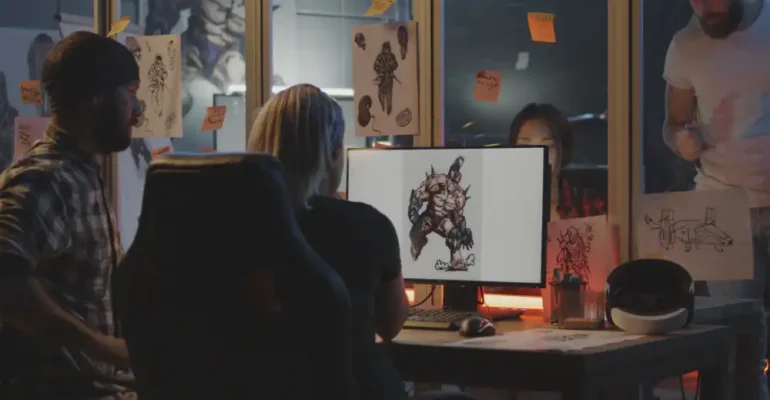
A game artist is responsible for everything players see inside a game. They transform ideas into visually appealing characters, environments, objects, animations, and special effects that create an immersive gaming experience. Their creativity shapes the overall look and feel of the game while working closely with designers and developers.
Some of the major responsibilities of a game artist include:
- Character Design
Game artists create unique characters that match the game’s story and theme. They design facial expressions, costumes, body proportions, accessories, and personality traits before converting them into detailed digital models.
- Environment Creation
From futuristic cities and fantasy kingdoms to realistic battlefields, game artists build the worlds where players interact. Every landscape, building, road, and background element is carefully designed to support gameplay.
- 3D Modelling
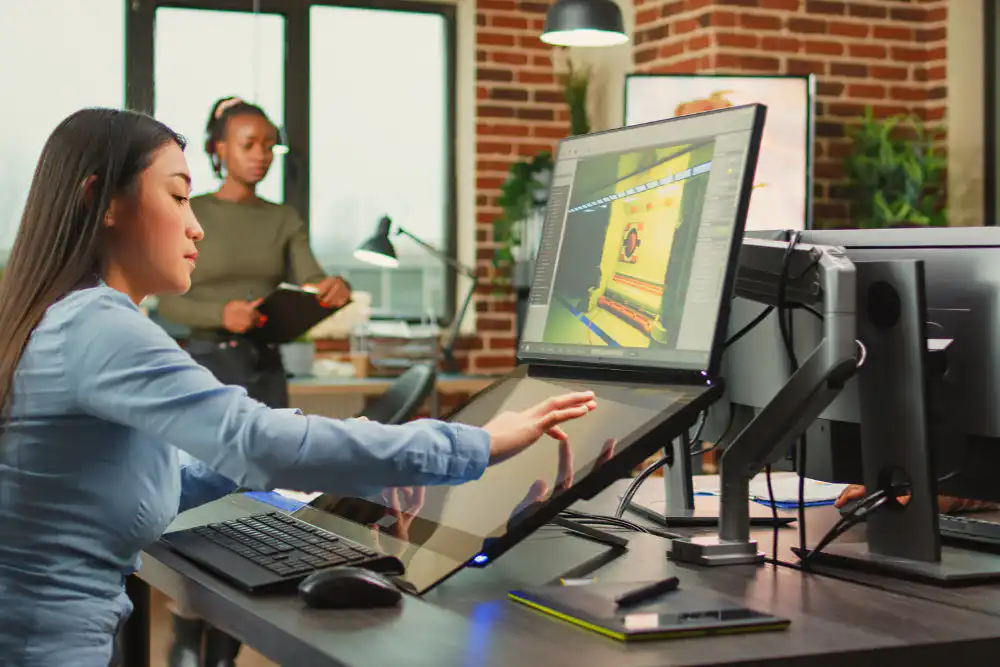
Artists use software such as Blender, Maya, and ZBrush to build three-dimensional assets. These include characters, vehicles, weapons, furniture, trees, and countless other objects seen throughout the game.
- Animation
Once characters are created, artists animate them to walk, run, jump, fight, speak, and express emotions naturally. Smooth animation makes gameplay more realistic and enjoyable.
- Texturing and Lighting
Artists add colours, materials, textures, shadows, and lighting effects to create visually appealing scenes. These details help bring digital worlds to life.
- Visual Effects
Special effects like explosions, fire, smoke, magic spells, water, and weather are designed by artists to enhance gameplay and excitement.
Game artists combine imagination with technical skills to create experiences that players remember long after finishing the game.
What Does a Game Developer Do?
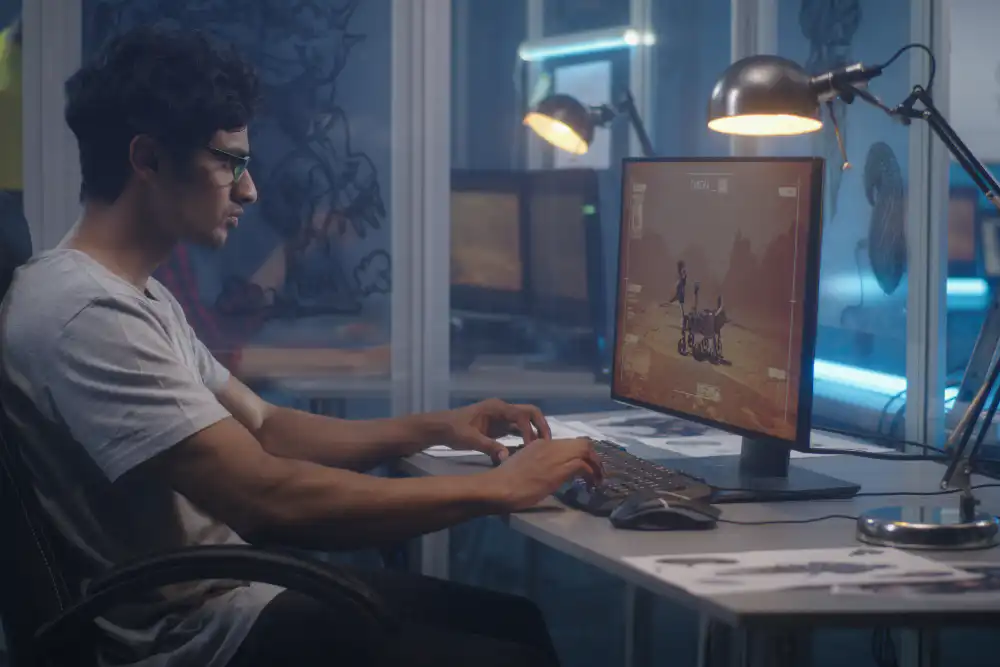
While artists focus on visuals, game developers build the technology that makes the game function properly. They write the code that controls gameplay, character movements, artificial intelligence, sound integration, networking, menus, and performance optimization.
Their responsibilities include:
Programming Gameplay: Developers create the mechanics that allow players to interact with the game world. They write code for movement, combat systems, puzzles, scoring systems, and user interactions.
Building Game Systems: Every game contains multiple systems working together. Developers create inventory systems, save files, health systems, missions, achievements, and progression mechanics.
Artificial Intelligence: Developers design enemy behaviour, NPC interactions, pathfinding, and decision-making systems that make games feel challenging and realistic.
Optimising Performance: Games need to run smoothly across different devices. Developers improve loading times, reduce lag, optimise graphics performance, and eliminate bugs.
Testing and Debugging: Developers spend a significant amount of time identifying coding errors and fixing issues before a game is released.
Without developers, even the most beautiful game artwork would remain static images rather than interactive experiences.
What is the Difference Between Game Artist and Game Developer?
If you are still wondering what is the difference between game artist and game developer? The simplest answer is that artists create what players see, while developers create how the game works.
| Feature | Game Artist | Game Developer |
| Primary Focus | Creates the visual elements of the game | Builds the game’s functionality and mechanics |
| Main Responsibility | Designs characters, environments, animations, and visual effects | Writes code, develops gameplay systems, and optimises performance |
| Skills Required | Creativity, drawing, 3D modelling, animation, texturing | Programming, problem-solving, mathematics, logical thinking |
| Software Used | Blender, Autodesk Maya, ZBrush, Photoshop, Substance Painter | Unity, Unreal Engine, Visual Studio, Git, C#, C++ |
| Daily Work | Creating digital assets, animations, textures, and environments | Coding gameplay features, fixing bugs, testing, and improving performance |
| Creative Involvement | High visual creativity | High technical creativity |
| Educational Background | Animation, Fine Arts, Game Art, Visual Design | Computer Science, Software Engineering, Game Development |
| Team Collaboration | Works closely with animators, designers, and developers | Works with artists, designers, testers, and technical teams |
| Final Contribution | Makes the game visually appealing and immersive | Makes the game interactive, functional, and enjoyable to play |
| Career Opportunities | Concept Artist, Character Artist, Environment Artist, Animator, VFX Artist | Gameplay Programmer, AI Programmer, Graphics Programmer, Engine Developer, Network Programmer |
Skills Required to Become a Successful Game Artist or Game Developer
Students often ask what is the difference between game artist and game developer?, but another equally important question is what skills each profession requires. While both careers involve creativity, the skill sets are very different.
Skills Every Game Artist Should Develop
A successful game artist usually develops the following abilities:
- Strong drawing and sketching fundamentals that help visualise ideas before creating digital assets.
- Knowledge of colour theory, composition, perspective, lighting, and anatomy.
- Expertise in 2D and 3D design software.
- Creativity to design original characters, environments, props, and visual effects.
- Attention to detail that ensures every asset looks polished and realistic.
- Understanding of animation principles and storytelling.
- Ability to accept feedback and improve designs during production.
Skills Every Game Developer Should Develop
Game developers rely on technical expertise and analytical thinking. Some essential skills include:
- Strong programming knowledge in languages like C, C++, or Python.
- Understanding of game engines such as Unity and Unreal Engine.
- Logical thinking for solving technical challenges.
- Knowledge of algorithms and data structures.
- Problem-solving abilities for debugging complex issues.
- Understanding of physics and mathematics used in gameplay.
- Teamwork and communication skills for collaborating with artists and designers.

Which Career Should You Choose? Game Artist or Game Developer?
Choosing between becoming a game artist or a game developer depends on your interests, strengths, and long-term career goals. There is no right or wrong choice because both careers are equally valuable in the gaming industry. Instead of following trends, think about what excites you the most. Do you enjoy creating visuals that tell a story, or do you love solving technical problems and building interactive experiences?
Here are a few questions that can help you decide.
Choose Game Art if You:
- Love drawing, painting, sketching, or creating digital illustrations.
- Enjoy designing characters, fantasy worlds, vehicles, and environments.
- Have an eye for colours, lighting, textures, and visual storytelling.
- Like working with creative software such as Blender, Maya, Photoshop, or ZBrush.
- Want to see your imagination come alive through stunning visuals.
Choose Game Development if You:
- Enjoy coding and solving logical problems.
- Are interested in programming languages like C++, C, or Python.
- Like understanding how games function behind the scenes.
- Want to build gameplay mechanics, AI systems, multiplayer features, and physics.
- Enjoy debugging and continuously improving software performance.
Types of Careers in Game Art and Game Development
The gaming industry offers much more than just the titles of game artist and game developer. As technology evolves, new specialisations continue to emerge, allowing students to build careers based on their strengths and interests.
Popular Careers for Game Artists
Concept Artist: Concept artists create the first visual ideas for characters, environments, weapons, vehicles, and game worlds. Their artwork serves as the blueprint for the rest of the production team.
Character Artist: Character artists design and build detailed 3D characters. They focus on anatomy, clothing, facial expressions, accessories, and realistic textures that make characters believable.
Environment Artist: Environment artists create landscapes, buildings, forests, cities, interiors, and outdoor settings that players explore throughout the game.
Texture Artist: Texture artists add colours, materials, patterns, and realistic surface details to objects and characters, making them appear lifelike.
Game Animator: Game animators create movement for characters, creatures, and objects. They ensure that actions like walking, jumping, attacking, and interacting feel smooth and natural.
Popular Careers for Game Developers
- Gameplay Programmer: Gameplay programmers create the mechanics that allow players to interact with the game world, including combat systems, movement, puzzles, and controls.
- AI Programmer: AI programmers develop intelligent behaviours for enemies, companions, and non-playable characters so that they respond realistically to player actions.
- Graphics Programmer: These developers focus on rendering technology, lighting systems, shaders, and graphical performance to improve visual quality.
- Network Programmer: Network programmers build multiplayer systems, online matchmaking, cloud saves, and server communication for online games.
- Game Engine Developer: These professionals work on the core technology that powers games, improving rendering, performance, physics, and overall engine capabilities.
Whether you choose an artistic or technical role, the gaming industry offers countless opportunities for growth and specialisation.
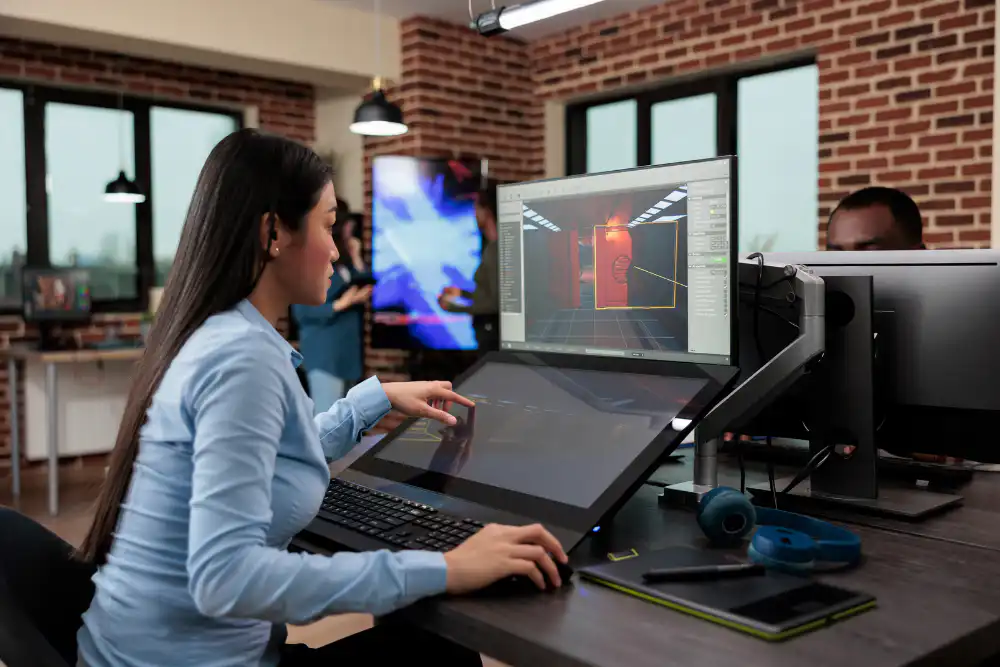
Why JD Institute of Fashion Technology is One of the Best Animation Colleges in Bangalore
When it comes to building a successful career in animation and gaming, choosing the right institute can make a significant difference. JD Institute of Fashion Technology has earned a strong reputation for offering industry-focused education that prepares students for the creative world. Recognised by many aspiring designers as one of the Best Animation Courses in Bangalore, the institute focuses on combining creativity, technical expertise, and practical exposure.
The curriculum is designed to help students understand every stage of animation and game design, from concept creation and visual storytelling to 2D animation, 3D modelling, texturing, character design, motion graphics, and digital production. Instead of limiting learning to theory, students gain hands-on experience through projects that reflect real industry requirements.
One of the biggest strengths of JD Institute is its emphasis on portfolio development. Employers in the animation and gaming industries often evaluate candidates based on their work rather than just academic qualifications. The institute encourages students to build professional portfolios that showcase their creativity, technical skills, and problem-solving abilities.
Students also benefit from experienced faculty members, workshops, guest lectures, industry interactions, and exposure to current design trends. These opportunities help them understand how professional studios operate while developing the confidence needed to enter the creative industry.
Whether your goal is to become a game artist, animator, character designer, visual effects artist, or even explore game development in collaboration with multidisciplinary teams, studying at one of the Best Animation Colleges in Bangalore provides a valuable head start. For students looking to transform their passion into a rewarding career, JD Institute of Fashion Technology continues to be a trusted choice.
Career Opportunities After Studying Animation and Game Design
The gaming and animation industries are growing rapidly across India and around the world. As gaming companies continue to create larger and more immersive experiences, the demand for skilled professionals keeps increasing.
Some exciting career opportunities include:
| Career Role | Primary Responsibility |
| Game Artist | Designs characters, props, environments, and visual assets for games. |
| Concept Artist | Creates the initial visual concepts and artwork used during game production. |
| Character Artist | Builds detailed 3D game characters with realistic textures and expressions. |
| Environment Artist | Designs landscapes, buildings, interiors, and outdoor game worlds. |
| 3D Modeller | Creates digital models of characters, vehicles, objects, and game assets. |
| Animator | Produces realistic movement and animations for characters and objects. |
| Game Developer | Develops gameplay mechanics, coding systems, and game functionality. |
| Gameplay Programmer | Creates player controls, combat systems, and interactive gameplay features. |
| Technical Artist | Bridges the gap between artists and developers by integrating visual assets into game engines. |
| UI/UX Designer | Designs game menus, icons, HUDs, and ensures a smooth user experience. |
| VFX Artist | Creates visual effects such as explosions, smoke, fire, weather, and magical elements. |
| Level Designer | Plans and designs engaging game levels, missions, and player progression. |
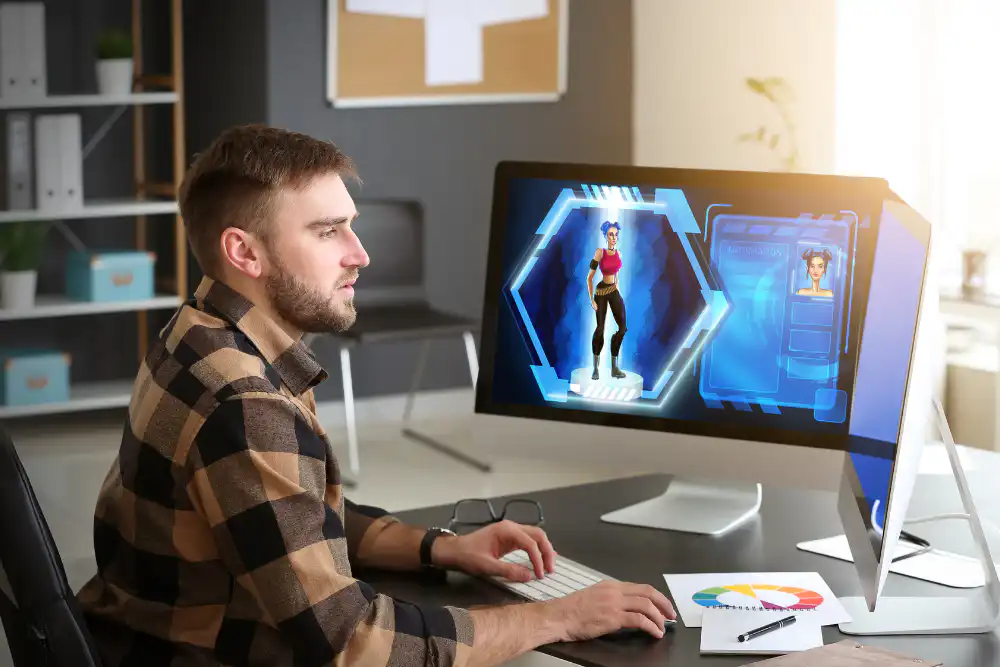
Your Journey into the World of Game Design Starts Here
The gaming industry is built on creativity, innovation, and teamwork. While game artists and game developers have different responsibilities, both contribute equally to creating memorable gaming experiences. Understanding what is the difference between game artist and game developer? allows students to make informed career decisions based on their interests, strengths, and future aspirations.
Game artists bring imagination to life through character design, environments, animations, textures, and visual effects. Their work gives games personality, emotion, and visual appeal. Game developers, on the other hand, transform those creative ideas into interactive experiences by writing code, building gameplay mechanics, creating artificial intelligence, and ensuring games perform smoothly across different platforms. Together, they form the backbone of every successful game.
If you enjoy drawing, designing, storytelling, and visual creativity, a career as a game artist may be the right choice. If you are fascinated by coding, technology, and solving technical challenges, game development could be the perfect fit. Either way, both professions offer exciting opportunities in one of the world’s fastest-growing industries.
If you have been wondering what is the difference between game artist and game developer?, the answer ultimately comes down to whether you want to create the visual world of a game or build the technology that powers it. Both paths are rewarding, both demand creativity and dedication, and both continue to offer exciting career prospects. With the right training from one of the Best Animation Colleges in Bangalore, such as JD Institute of Fashion Technology, you can confidently begin your journey towards a successful future in the ever-evolving world of gaming and animation.