What Is the Future of Fashion Design in India?
28/08/2026 2026-09-01 13:53What Is the Future of Fashion Design in India?

What Is the Future of Fashion Design in India?
Fashion has always been a part of everyday life in India. From the sarees passed down through generations to the streetwear trends that show up on social media almost overnight, clothing has always reflected who we are, where we come from, and sometimes, who we want to become. But fashion today is no longer limited to designing a beautiful outfit, putting together a collection, or following the latest runway trend. It has become a much larger space where creativity meets technology, culture, business, sustainability, and personal expression.
Indian consumers are becoming more aware of what they wear and why they wear it. There is growing interest in sustainable clothing, homegrown brands, handcrafted textiles, personalised fashion, digital fashion experiences, and clothing that reflects individual identity. At the same time, social media and e-commerce have made it easier for new designers and smaller labels to reach people without following the traditional path of opening a large retail store.
For students, this is a good time to look beyond the idea that fashion design is only about sketching clothes. A strong fashion education can help develop creative thinking, technical knowledge, industry understanding, and the ability to adapt to a changing market. As the industry continues to evolve, the question what is the future of Fashion Design in India becomes less about whether fashion has opportunities and more about how future designers can prepare themselves to make the most of them.

The Indian Fashion Industry Will Continue to Create New Opportunities
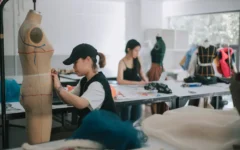
When we think about the future of fashion, it is easy to imagine glamorous runways and celebrity designers. But the actual industry is much broader. Fashion involves design, production, retail, styling, communication, technology, textiles, and business. As these areas continue to grow and evolve, students can explore different paths based on their interests and skills.
Here are some of the areas likely to create exciting opportunities:
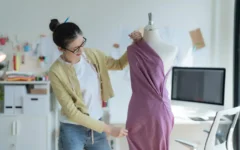
- Fashion and Apparel Design: Fashion designers will continue to be at the centre of the industry. However, the role will require more than an eye for colour and silhouettes. Designers will need to understand fabrics, construction, consumer preferences, market trends, and the purpose behind a collection.
- Fashion Entrepreneurship: More designers are exploring independent labels and niche brands. A student with a strong idea can build a brand around a specific audience, aesthetic, craft tradition, or product category. Fashion education can help students understand how creativity and business work together.
- Fashion Styling and Image Creation: The growth of digital content has created more visibility for fashion stylists. From advertising campaigns and celebrity styling to editorial shoots and personal styling, this field offers a creative career path for students who enjoy putting complete looks together.
- Costume and Entertainment Design: India’s film, television, OTT, and content industries continue to create a need for professionals who understand costume, character, and visual storytelling. Fashion designers can use their knowledge to work in these creative spaces.
- Fashion Communication and Digital Content: Fashion brands need people who can communicate their identity visually and creatively. Students can explore areas such as fashion media, content creation, visual merchandising, brand communication, photography direction, and creative campaigns.
Technology Will Become a Bigger Part of Fashion Design
Technology is already changing the way fashion is designed, presented, and consumed. This does not mean creativity will become less important. In fact, technology can give designers more ways to experiment with their ideas and bring them to life.
Digital Design Tools
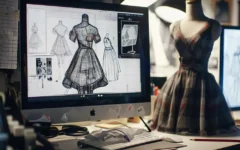
Fashion students are increasingly learning to use digital tools to create designs, develop patterns, visualise garments, and present collections. These tools can make the design process more efficient while allowing students to experiment with different possibilities.
3D Visualisation
Instead of relying only on physical samples, designers can explore how garments may look digitally. This can help with visualisation, modifications, and communication during different stages of the design process.
Artificial Intelligence as a Creative Tool
AI is becoming part of many creative industries, including fashion. It can support research, idea exploration, trend analysis, and visual experimentation. However, it cannot replace a designer’s understanding of culture, emotion, originality, and human preferences. Students will need to learn how to use technology as a tool rather than depend on it completely.
Digital Fashion Experiences
Fashion is also moving into digital spaces. Virtual collections, interactive shopping experiences, and digital clothing are expanding the conversation around how fashion can exist beyond a physical garment.
Better Access to Global Inspiration
Technology allows students to observe international fashion movements, study collections, research materials, and understand changing consumer preferences more easily. The challenge will be to use this exposure to develop an original point of view rather than simply copy what already exists.

Sustainability Will Move from Being a Trend to Becoming a Bigger Conversation
For a long time, fashion has been associated with constant change. New collections arrive, trends move quickly, and consumers are encouraged to keep buying. However, conversations around waste, production, materials, and responsible consumption are making both brands and consumers think more carefully.
The future of fashion in India may see greater attention to how clothing is made and what happens to it after use. This does not mean every fashion designer has to work only with sustainable clothing. Instead, it means understanding the impact of design decisions will become increasingly important.
Students may need to think about:
- Material choices: Exploring fabrics and materials that suit both the design and its environmental impact.
- Craft and local production: Indian textiles and crafts offer a rich space for designers to work with traditional knowledge in contemporary ways.
- Longer-lasting design: Creating clothing that people can use and value beyond a short trend cycle.
- Upcycling and reuse: Finding creative ways to work with existing materials and reduce unnecessary waste.
- Thoughtful production: Understanding how design choices affect the overall manufacturing process.

Indian Fashion Will Become More Local and More Global at the Same Time
One of the most interesting aspects of the future is that Indian fashion does not have to choose between being traditional or modern, local or global. Designers are increasingly finding ways to bring different influences together.
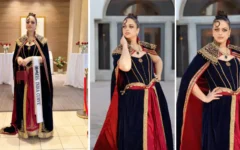
A handwoven textile can become part of contemporary streetwear. A traditional embroidery technique can inspire a modern silhouette. A regional craft can find a completely new audience through digital platforms.
| Changing Area | What It Could Mean for Fashion Students |
| Indian Crafts and Textiles | Students can explore traditional textiles, handloom techniques, embroidery, and regional crafts while presenting them through contemporary fashion design. |
| Global Fashion Exposure | Students can study international fashion trends, designers, and consumer preferences while developing their own creative identity and understanding of the Indian market. |
| Regional Consumer Markets | Fashion is becoming more diverse and accessible across different parts of India, creating opportunities to design for audiences with varied lifestyles, preferences, and cultural influences. |
| Homegrown Fashion Brands | The growth of independent and homegrown labels gives aspiring designers more inspiration to explore niche markets, develop unique ideas, and even build their own fashion brands. |
| Cross-Cultural Design | Designers can experiment with influences from different cultures, combining traditional elements with modern silhouettes, global aesthetics, and contemporary consumer preferences. |
This balance between heritage and innovation could become one of India’s biggest strengths. The country already has a diverse textile history, a large consumer base, and a growing creative economy. The next generation of designers can use these strengths in ways that feel fresh rather than treating tradition as something that belongs only in the past.
Fashion Careers Will Become More Diverse Than Many Students Expect
A fashion design course can be a starting point, but it does not have to lead every student towards the same destination. Some may enjoy designing garments, while others may discover that they are more interested in styling, merchandising, fashion media, retail, or entrepreneurship.
Here are six career directions students can explore:
- Fashion Designer: This role involves developing clothing and collections based on design concepts, market requirements, and consumer needs. Designers may work with established brands, independent labels, or their own businesses.
- Fashion Stylist: Stylists create complete visual looks for individuals, brands, campaigns, editorial shoots, films, and other media projects.
- Fashion Merchandiser: Fashion merchandising combines creativity with market understanding. Professionals in this area work with products, consumers, trends, pricing, and retail strategies.
- Costume Designer: Costume designers use clothing to support storytelling and character development in films, television, theatre, advertising, and digital productions.
- Fashion Entrepreneur: Students with an entrepreneurial mindset can build their own fashion labels, product lines, or creative businesses around a specific market or idea.
- Fashion Content and Communication Professional: Fashion also needs people who understand how to present and communicate ideas. Careers can include fashion writing, visual communication, creative direction, brand content, and digital media.
This diversity is another reason why what is the future of Fashion Design in India is such an interesting question. The industry is not becoming narrower. It is creating more intersections between fashion and other creative fields.

Why the Right Fashion Education Will Matter?
As fashion becomes more dynamic, students will need more than inspiration to build a strong foundation. A good fashion design course can help them understand how an idea moves from a concept to an actual garment or collection. It can also introduce them to different areas of the industry and help them discover where their interests lie.
A strong learning experience can support students in several ways:
- Building design fundamentals: Students learn about colour, form, silhouettes, fabrics, and design development.
- Understanding garment construction: Knowing how garments are made can help designers create ideas that are practical as well as creative.
- Developing a portfolio: A portfolio allows students to present their skills, ideas, and design process.
- Learning through projects: Practical assignments can help students apply what they learn instead of understanding fashion only through theory.
- Gaining industry exposure: Interaction with professionals, workshops, and real-world learning experiences can help students understand how the industry works.
- Finding an individual design voice: Fashion education should also encourage students to explore their own perspective rather than follow a single formula.
The Future Belongs to Designers Who Are Ready to Keep Learning
If you are a student considering a career in fashion, you may feel like there is a lot to figure out. What course should you choose? What kind of designer do you want to become? Will your interests still matter a few years from now? These are all valid questions. The good news is that you do not need to have every answer before you begin.
The better question might be: what kind of creative journey do you want to build for yourself?
The answer to what is the future of Fashion Design in India is not one fixed prediction. Fashion will continue to change because people change. The way we live, shop, communicate, work, and express ourselves will keep influencing what we wear and how fashion is created. Technology will bring new tools. Sustainability will encourage more thoughtful choices. Indian crafts and cultural influences will continue to inspire new interpretations.
So, what is the future of Fashion Design in India? It is creative, evolving, technology-aware, culturally connected, and full of possibilities for students who are willing to grow with it. The industry may look different in the coming years, but one thing is likely to remain unchanged: fashion will always need people who can observe the world differently and turn that perspective into something meaningful.
And if that sounds exciting to you, perhaps the future of fashion is not something you simply need to predict. It is something you could be a part of creating.